EN
EN
EN
2026/09/07
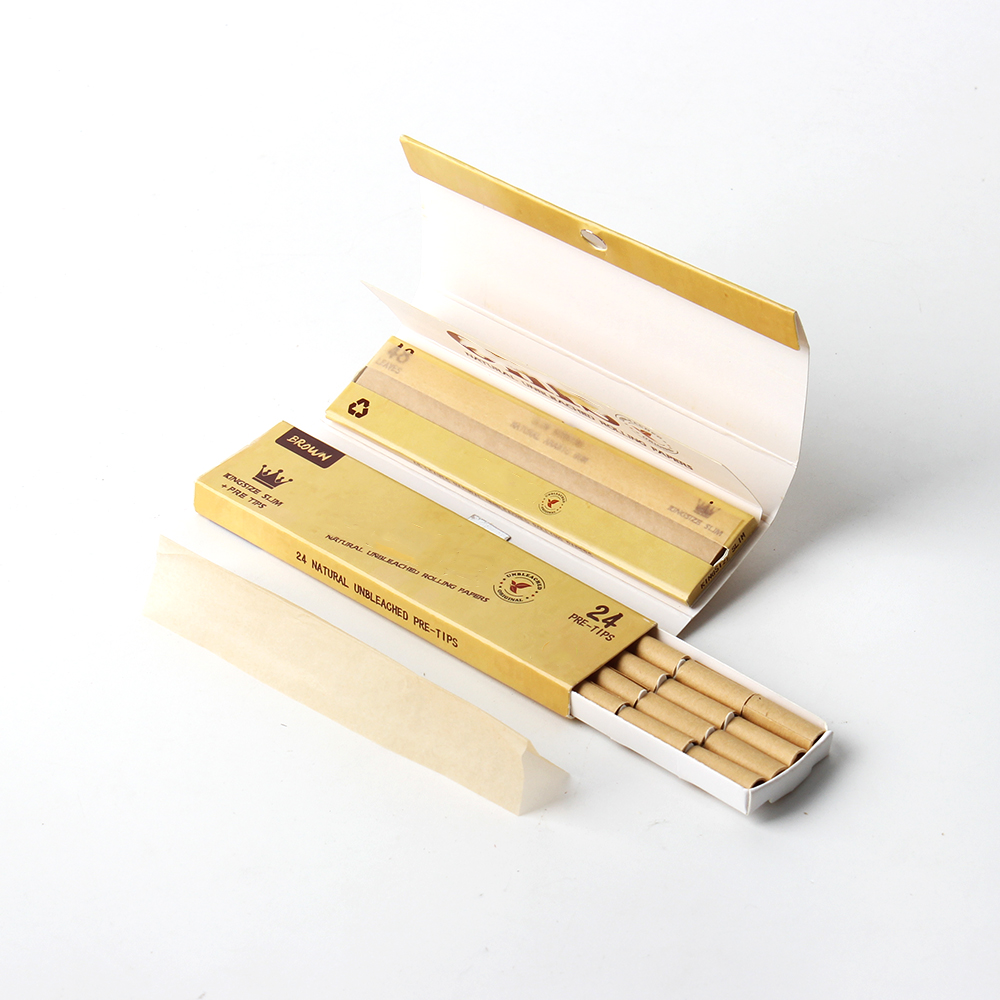
Applying food-grade dyes to custom filters requires careful attention to safety standards, material compatibility, and color stability. Whether you're developing branded packaging with custom printing or creating logo tips for your product line, understanding the proper application process ensures your custom filters maintain both aesthetic appeal and functional integrity. Food-grade dyes offer vibrant colors while remaining safe for consumer contact, making them ideal for premium custom printing applications in regulated industries.
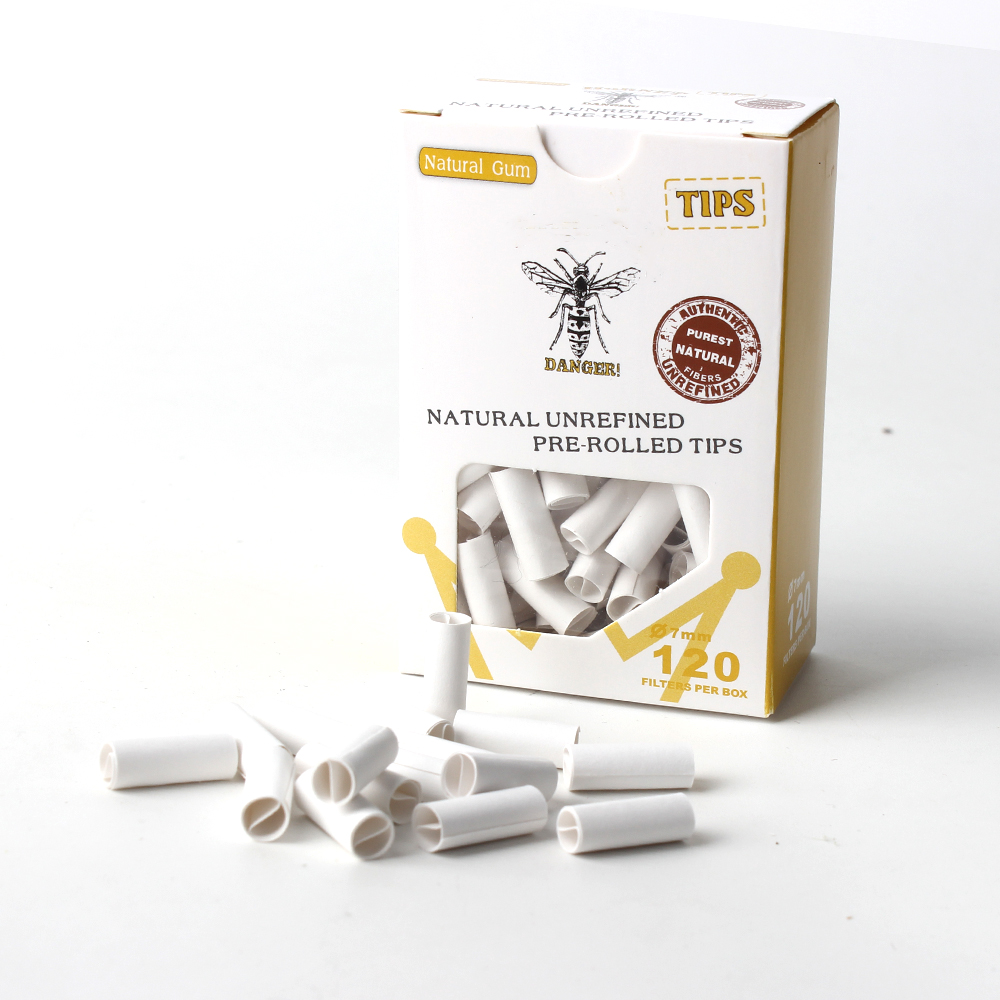
The process of coloring custom filters with food-grade dyes involves multiple critical steps, from dye selection through final quality verification. When you're working with branded packaging or developing logo tips for your brand, the dye application method directly impacts how long colors remain vibrant and whether they withstand storage conditions. This guide explores the essential techniques, safety protocols, and best practices for achieving professional results while maintaining compliance with food contact regulations.
Custom filters are typically made from cellulose, paper fiber, or specialized polymer blends. Not all food-grade dyes bond equally well to these materials. Water-soluble dyes work best on porous cellulose-based filters, while oil-soluble food-grade dyes suit non-porous or wax-coated materials used in premium branded packaging. Before applying custom printing or color to your logo tips, test the dye on sample material to confirm adhesion strength, color uniformity, and stability. Different material compositions require different dye formulations to prevent fading, bleeding, or color transfer during handling or storage.
All food-grade dyes used on custom filters must meet regulatory requirements set by agencies such as the FDA in the United States or equivalent bodies in other regions. Food-grade dyes must be certified safe for indirect food contact, meaning they won't leach harmful substances when the colored filter is exposed to moisture or oils. When selecting custom printing inks for your branded packaging, verify that dyes carry official food-safety certifications. This certification becomes especially critical when your custom filters will contact food products during manufacturing, packaging, or consumer use. Using non-certified dyes can create liability issues and regulatory violations.
One of the most effective ways to color custom filters is through controlled immersion in a food-grade dye bath. The filter material is submerged in a dye solution at specific temperatures and for controlled durations to achieve even color penetration. This method works particularly well for custom printing on large batches of filters used in branded packaging or logo tips. Temperature control is critical: higher temperatures accelerate dye absorption but may damage delicate filter fibers or alter filter structure. Most cellulose-based custom filters achieve optimal color saturation at temperatures between 60 and 80 degrees Celsius. After saturation, filters must be rinsed thoroughly to remove excess dye and prevent color bleeding onto adjacent products or packaging.
Surface application using controlled spray systems offers precise control over dye placement, making it ideal for applying logos, patterns, or specific color regions to custom filters. Spray application works well for branded packaging where visual appeal requires gradient effects or multi-color designs on logo tips. This method uses less dye than immersion, reducing overall costs while maintaining vibrant colors. Airless or air-assisted spray equipment ensures uniform droplet distribution and prevents pooling or dripping that could damage filters. When using spray application for custom printing, maintain consistent spray distance, pressure, and speed to achieve uniform coverage. The substrate must be held at optimal moisture levels to allow proper dye adhesion without over-saturation.
Working with food-grade dyes requires appropriate protective measures even though these dyes are safe for consumer contact. Personnel handling concentrated dye solutions should wear nitrile gloves, eye protection, and work in well-ventilated areas to prevent inhalation of dye powder particles. When preparing dye baths for custom filters or custom printing applications, always add dye to water rather than water to dye to prevent splashing and airborne dispersion. Dye solution containers must be clearly labeled and stored away from food preparation areas, even though food-grade dyes are non-toxic. For large-scale production of branded packaging or logo tips, implement spill protocols and have dye-specific cleanup materials available. Proper handling reduces workplace incidents and maintains production efficiency.
After applying food-grade dyes to custom filters, verify color consistency across batches and test for dye migration to ensure regulatory compliance. Migration testing involves exposing colored custom filters to food simulants (water, oils, or acids) under controlled conditions to measure any dye transfer. Branded packaging containing colored filters must pass these tests before distribution. Store test samples from each production batch to provide documentation of food-safety compliance if regulatory audits occur. Color variation between batches indicates inconsistent dye concentration, temperature, or saturation time. Implementing standardized measurement tools such as colorimeters helps maintain uniformity across large production runs of custom printing or logo tips. Documentation of test results protects your company from liability and demonstrates commitment to food-safety standards.
Food-grade dyes work best on porous materials like cellulose and paper-based filters commonly used in custom filters for beverage and food applications. Non-porous or heavily treated filters may require specialized oil-soluble food-grade dyes. Always perform material compatibility testing before full production runs of branded packaging or logo tips. Different filter compositions absorb and retain dyes differently, affecting both color vibrancy and long-term stability in your custom printing projects.
Properly applied food-grade dyes on custom filters typically remain stable for 12 to 24 months under standard storage conditions, though factors like exposure to light, temperature fluctuations, and humidity influence longevity. Branded packaging stored in cool, dry, dark environments maintains color vibrancy longer than filters exposed to direct sunlight or extreme heat. For critical applications, conduct accelerated aging tests on your custom printing samples to establish realistic shelf life expectations. Logo tips and other custom filters benefit from protective packaging that shields them from UV exposure and moisture.
Documentation should include dye certifications, material safety data sheets (MSDS), migration test results, and production batch records. Branded packaging containing custom filters must demonstrate that all materials and dyes meet food-contact safety regulations specific to your target markets. Keep detailed records of custom printing specifications, dye concentrations, and application parameters for logo tips to support compliance audits. This documentation protects your business and provides confidence to distributors and consumers that your custom filters meet established food-safety standards.