EN
EN

calibrating-porosity-and-combustion-rates-in-unbleached-prerolled-cones, calibrating-porosity-and-combustion-rates-in-unbleached-prerolled-cones, /news
EN
2026/08/25
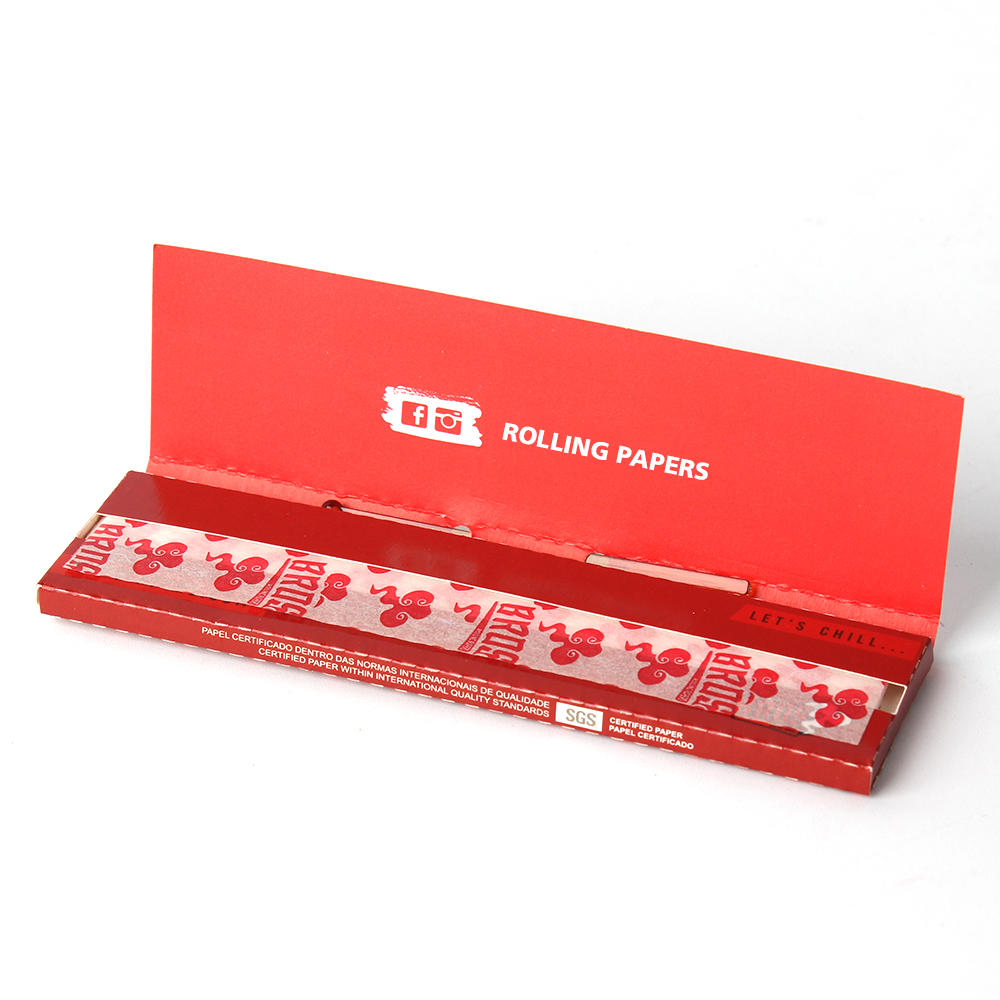
Achieving the ideal balance between porosity and combustion rate in pre-rolled cones requires precision and understanding of material properties. Unbleached cones made from natural paper demand specific calibration techniques to ensure consistent burn characteristics and optimal user experience. The relationship between porosity, air flow, and combustion speed is fundamental to producing quality pre-rolled cones that meet consumer expectations and perform reliably across different environmental conditions.

Unbleached cones present unique manufacturing challenges because natural paper exhibits variable porosity characteristics. Unlike bleached alternatives, unbleached cones rely on fiber structure and density to control combustion behavior. Calibrating these variables requires understanding how fiber composition, pressing pressure, and paper thickness interact to influence slow burn rates and overall smoking performance.
Natural paper used in unbleached cones contains varying fiber densities that directly impact porosity levels. The fiber arrangement determines air passage pathways throughout the cone structure. When fibers pack tightly during manufacturing, they reduce porosity and slow combustion rates, whereas looser arrangements increase air flow and accelerate burning. Controlling this balance requires precise pressure application during the cone formation process.
Unbleached cones benefit from fiber selection that naturally provides consistent porosity distribution. Different plant fibers exhibit distinct compressibility and structure characteristics. High-quality natural paper maintains uniform fiber alignment, which supports predictable slow burn performance across individual cones produced in a batch.
Porosity measurement in pre-rolled cones involves assessing air permeability and determining how readily oxygen can flow through the paper matrix. Standard testing methods include air flow rate measurements, which indicate how much air passes through a given area of cone material under controlled pressure. These measurements establish baseline porosity values that correlate directly with combustion speed. Quality control teams use consistent testing protocols to verify that each batch of unbleached cones meets target porosity specifications.
Paper thickness serves as a primary calibration lever for controlling combustion rates in pre-rolled cones. Thicker paper sections restrict oxygen availability to the burning material, resulting in slower burn characteristics. Conversely, thinner sections allow faster combustion. Manufacturers achieve consistent slow burn profiles by maintaining uniform thickness throughout the cone structure, which ensures that combustion rates remain steady from the beginning to the end of use.
Density calibration involves controlling how much pressure is applied during cone formation. Higher compression during manufacturing compacts fibers more tightly, increasing density and reducing porosity. This density increase directly translates to slower burn rates in unbleached cones. Precision machinery that applies consistent forming pressure is essential for achieving repeatable combustion profiles across production runs.
The type of natural paper selected fundamentally influences how pre-rolled cones perform during use. Papers made from specific plant fibers, such as unbleached hemp or rice papers, offer distinct burning characteristics. These materials provide inherent slow burn properties due to their fiber structure and lignin content. Selecting appropriate natural paper grades ensures that combustion calibration efforts build upon a solid foundation rather than attempting to compensate for inherently problematic materials.
Natural paper formulations without bleach preserve fiber properties that support predictable combustion behavior. Additives used to enhance burn rate consistency should be compatible with unbleached materials and maintain the cone's natural appearance and integrity.
Humidity and temperature conditions significantly affect how porosity and combustion rates manifest in real-world use. Unbleached cones absorb moisture from the environment, which can alter porosity characteristics and slow burn performance. Manufacturers must account for these environmental variables during calibration by testing products under various humidity levels and temperature ranges. This ensures that pre-rolled cones deliver consistent combustion rates regardless of storage conditions or geographic location where consumers use them.
Proper storage and packaging of unbleached cones helps maintain calibrated porosity levels. Sealed packaging protects natural paper from excessive moisture exposure, preserving the slow burn characteristics established during manufacturing calibration.
Maintaining calibrated porosity and combustion rates across production batches requires robust quality assurance protocols. Regular testing of sample pre-rolled cones from each batch verifies that porosity measurements and burn rate performance remain within acceptable ranges. Automated testing equipment can measure cone specifications such as paper thickness, density, and air permeability quickly and accurately. By monitoring these key metrics consistently, manufacturers ensure that every pre-rolled cone meets the calibration standards established during product development.
Documentation of calibration parameters, test results, and batch specifications supports continuous improvement in manufacturing processes. This data-driven approach helps identify trends and optimize calibration techniques for enhanced product quality and customer satisfaction.
The ideal porosity range depends on the desired combustion rate and intended use. Most unbleached cones are calibrated to achieve porosity levels that support a slow burn rate, typically corresponding to air permeability measurements that allow steady oxygen flow without excessive speed. Specific porosity targets should be established based on consumer preferences and product category requirements. Testing with representative user samples helps validate whether calibrated porosity levels deliver satisfactory performance.
Natural paper used in unbleached cones retains fiber properties that affect porosity and combustion differently than bleached alternatives. Unbleached materials typically exhibit more variable porosity characteristics due to natural fiber variations, requiring more precise calibration during manufacturing. Natural paper may also show different moisture absorption patterns, which influences how porosity behaves under various environmental conditions. These differences make calibration of unbleached cones a specialized process that accounts for the unique properties of natural materials.
Porosity in pre-rolled cones is primarily established during the manufacturing process through fiber arrangement, pressing pressure, and paper thickness control. Post-manufacturing adjustments are limited and generally ineffective because the physical structure of the paper is already set. Instead, calibration should focus on optimizing manufacturing parameters and quality control procedures. If combustion rate performance falls short of targets, the solution involves adjusting the manufacturing process itself rather than attempting modifications after cone formation.