EN
EN
color-matching-and-anodizing-stability-in-custom-metal-grinders, color-matching-and-anodizing-stability-in-custom-metal-grinders, /news
EN
2026/08/12
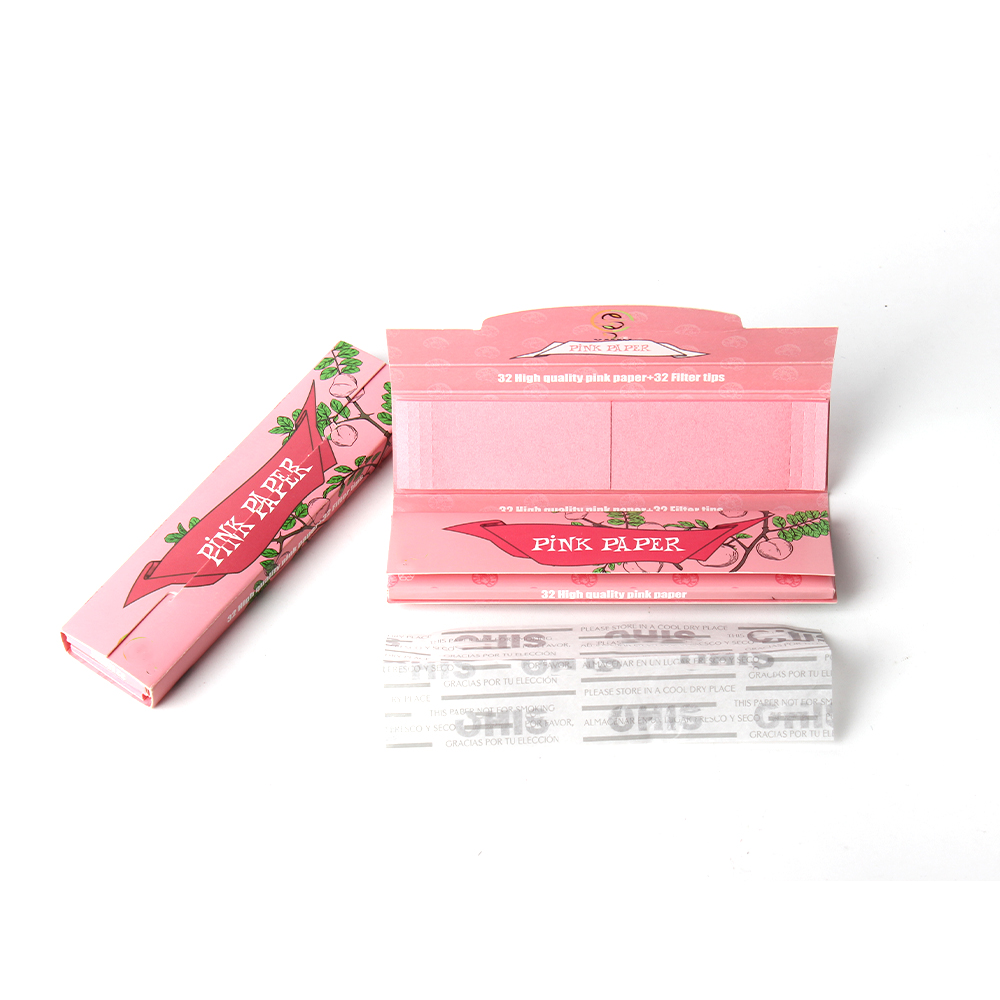
Color matching and anodizing stability represent critical factors when designing and manufacturing custom grinders for promotional purposes, brand recognition, or personal use. The visual consistency between your design intent and the final product directly impacts perceived quality, brand credibility, and customer satisfaction. When customers receive branded color grinder products, they expect the colors to match specifications precisely and maintain their appearance over extended use. Understanding the anodizing process and its effect on color stability ensures that your personalized aluminum grinder maintains its aesthetic appeal and professional appearance throughout its operational lifespan.
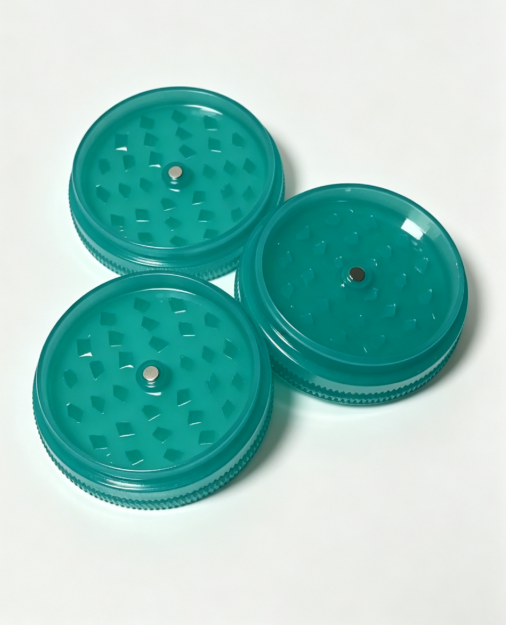
Anodizing is the electrochemical process that creates a protective oxide layer on aluminum, enhancing durability while enabling vibrant color application. For custom printed grinders and branded color grinder products, anodizing quality determines whether colors remain vivid or fade over time. The thickness of the anodized layer, the dyeing process used, and the sealing methodology all influence how well your personalized aluminum grinder resists fading, scratching, and oxidation. This comprehensive guide explores the relationship between color matching, anodizing stability, and the long-term performance of custom grinders in demanding environments.
Anodizing transforms the aluminum surface into a durable, corrosion-resistant oxide layer that serves as the foundation for color retention in custom grinders. During anodizing, the aluminum piece is submerged in an electrolyte solution and connected to an electrical circuit, causing the metal surface to oxidize. This newly formed oxide layer is porous in its initial state, which allows dyes to penetrate deeply into the material. For branded color grinder applications, the depth of the anodized layer directly correlates with color vibrancy and fade resistance. A properly anodized custom printed grinder will display consistent color saturation because the dye molecules bond within the oxide structure rather than sitting on the surface.
The anodizing thickness typically ranges from 10 to 25 micrometers for most custom grinders used in promotional or personal settings. Thicker anodized coatings provide superior protection against environmental factors such as moisture, salt spray, and UV exposure. When you invest in personalized aluminum grinder products with adequate anodizing depth, you ensure that colors remain stable and vibrant even after months of regular handling and use. The sealing stage, which follows the dyeing process, closes the pores in the oxide layer to lock in color molecules and prevent oxidation of the underlying aluminum.
Color matching accuracy in custom grinders depends heavily on the selection and application of dyes compatible with the anodizing process. Industrial-grade dyes used for branded color grinder production must withstand the high temperatures and alkaline conditions present during the sealing stage. Not all dyes are equally resistant to fading; organic dyes may shift slightly under UV exposure, while inorganic pigments offer superior stability. For custom printed grinders, manufacturers typically employ color matching systems that reference industry-standard Pantone or RAL color charts to ensure consistency across production batches.
When specifying colors for your personalized aluminum grinder project, providing digital color references alongside physical samples improves matching accuracy. Different aluminum alloys absorb dyes differently, so testing custom grinders on the same alloy grade as your final production run ensures that the color will appear as intended. The concentration of dye, immersion duration, and temperature all influence the depth and uniformity of color saturation in branded color grinder products.
Ultraviolet radiation represents one of the primary threats to color stability in custom grinders exposed to outdoor or bright indoor environments. Even well-anodized custom printed grinders will experience some degree of color shift if subjected to prolonged direct sunlight without protective measures. Darker anodized colors, such as black or deep blue, demonstrate greater resistance to UV fading than lighter shades. For personalized aluminum grinder applications in outdoor settings, manufacturers often recommend UV-stabilized clear coatings as an additional protective layer. This secondary coating significantly extends the vibrancy of branded color grinder finishes and minimizes the yellowing that can occur in some anodized colors over years of exposure.
Humidity, salt spray, and chemical contact all pose challenges to the long-term appearance of custom grinders. The sealed anodized layer prevents most moisture from reaching the underlying aluminum, but improper sealing or surface damage can allow water ingress. Corrosive environments accelerate the degradation of anodized coatings on branded color grinder products. For custom printed grinders used in industrial, marine, or food-processing environments, specifying hard anodizing with enhanced sealing procedures ensures superior resistance to corrosion and color preservation. Testing the personalized aluminum grinder samples in conditions matching your intended use environment provides valuable data about expected durability and color stability over time.
Rigorous quality control procedures are essential for maintaining color consistency across multiple production batches of custom grinders. Reputable manufacturers employ spectrophotometers to measure color values objectively, comparing each batch of custom printed grinders against the approved color standard. Color matching tolerances for branded color grinder products should be specified in advance, typically within Delta E values of 1.0 to 2.0 for acceptable variation. Sampling and visual inspection under standardized lighting conditions allows manufacturers to identify color drift before entire batches of personalized aluminum grinder products reach customers. Production records documenting anodizing parameters, dye concentrations, and sealing procedures enable rapid troubleshooting if color inconsistencies emerge.
Clear specification documentation prevents misunderstandings between designers and manufacturers regarding color expectations for custom grinders. Detailed specifications should include the desired color name or code, acceptable variation tolerances, anodizing layer thickness, dye type, and any special protective coatings. For custom printed grinders with logo or text applications, specifying how graphics should coordinate with base colors ensures visual harmony in the final branded color grinder product. Documentation of the specific aluminum alloy used in your personalized aluminum grinder facilitates consistent color reproduction if future production runs become necessary. Including photographs of approved color samples under different lighting conditions helps manufacturers understand your aesthetic expectations for custom grinders.
Properly anodized and sealed custom grinders typically maintain color vibrancy for 3 to 7 years under normal indoor conditions, with darker shades generally lasting longer than light colors. Outdoor exposure significantly reduces this timeframe, particularly in UV-intensive climates where branded color grinder products may fade noticeably within 1 to 2 years without additional protective coatings. Hard anodizing with UV-protective topcoats can extend color stability in personalized aluminum grinder applications to 10 years or more. Regular cleaning and careful handling help preserve the finish of custom printed grinders throughout their service life.
Yes, color matching is possible for branded color grinder products when you provide accurate color references such as Pantone codes, RAL standards, or digital color samples to your manufacturer. However, some brand colors may require custom dye formulations or specialized anodizing procedures that increase production costs for custom grinders. The underlying aluminum alloy composition affects how dyes appear, so custom printed grinders made from different alloys may show slight color variations even when using identical dye formulations. Testing a small batch of personalized aluminum grinder samples ensures that the matched color meets your expectations before committing to full production runs.
Hard anodizing produces a thicker, more durable oxide layer than standard anodizing, typically 25 to 75 micrometers compared to 10 to 25 micrometers for conventional processes used on most custom grinders. Hard anodized custom printed grinders offer superior wear resistance, corrosion resistance, and color stability, making them ideal for demanding industrial environments or high-use applications. Standard anodizing remains suitable for promotional or general-purpose personalized aluminum grinder products where extreme durability is not essential. Hard anodizing costs more and may limit color options compared to standard anodizing, so assess your specific performance requirements when selecting between processes for branded color grinder production.