EN
EN

compact-engineering-designing-highperformance-mini-custom-grinders, compact-engineering-designing-highperformance-mini-custom-grinders, /news
EN
2026/09/24

The demand for efficient, space-saving grinding solutions has reshaped industrial design priorities across manufacturing, pharmaceutical, and specialty material processing sectors. Compact engineering principles enable manufacturers to create high-performance custom grinders that deliver precision without occupying excessive floor space. This approach combines mechanical innovation, material optimization, and thoughtful layout design to produce portable grinding equipment that meets demanding performance standards while remaining transportable and easy to integrate into existing workflows.
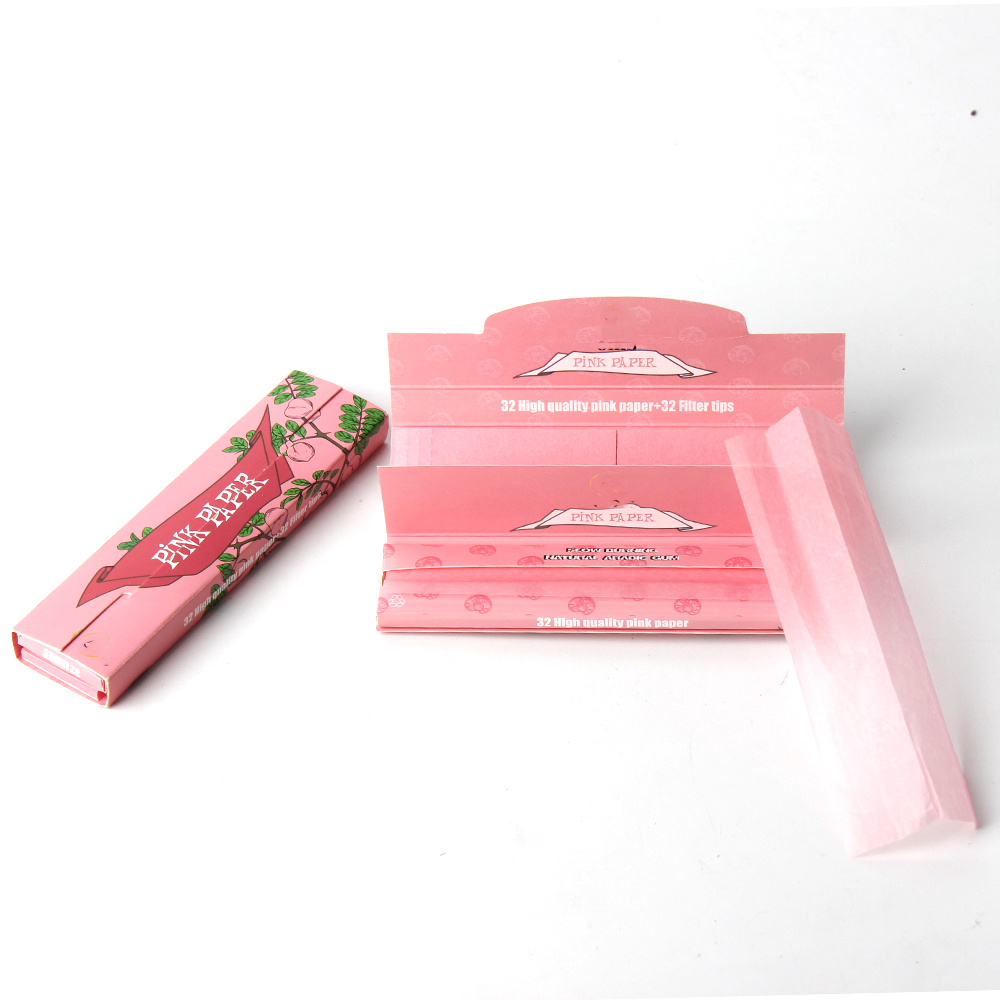
Mini custom grinder development reflects a broader shift toward modularity and right-sizing in industrial equipment. Organizations increasingly seek grinding solutions tailored to specific material types, batch volumes, and operational constraints rather than purchasing over-sized universal equipment. A mini custom grinder addresses this need by providing targeted performance in a footprint that fits laboratory environments, field operations, and compact production areas. Understanding the engineering principles behind these systems helps procurement teams, operators, and facility managers make informed decisions about portable grinding technology investments.
Designing a mini custom grinder requires balancing motor power, burr or blade geometry, thermal management, and structural rigidity within spatial constraints. Compact engineering demands that every component serve multiple functions or occupy minimal volume without compromising grinding quality. A custom size grinder typically features a smaller chamber and more tightly integrated motor-to-grinding element connection than full-scale equipment, which reduces material residence time and enables faster throughput relative to the unit's physical dimensions. The motor selection becomes critical because undersized motors generate insufficient grinding force, while oversized motors create heat accumulation and shorten equipment lifespan.
Mini custom grinder construction relies on materials that combine lightweight properties with wear resistance and thermal stability. Aluminum alloy housings reduce overall weight, making the mini custom grinder easier to transport and install. Hardened steel grinding surfaces withstand repeated contact cycles and abrasive particle interactions. Advanced mini custom grinder designs incorporate vibration-dampening materials that prevent noise transmission and reduce operator fatigue during extended use. Thermal management becomes particularly important in compact systems because restricted airflow limits passive cooling; many brands engineer mini custom grinder chambers with ventilation pathways that direct heat away from sensitive components without requiring bulky external cooling systems.
A custom size grinder accommodates material-specific grinding requirements through adjustable settings that manufacturers integrate during the design phase. Particle size distribution control allows operators to fine-tune the custom size grinder output by modifying blade spacing, rotational speed, or grinding duration parameters. Different material types demand different approaches; pharmaceutical powders require gentle, uniform grinding to prevent decomposition, while mineral samples may tolerate more aggressive processing. Building these adjustments into a mini custom grinder architecture ensures that the equipment remains versatile across use cases while maintaining the compact footprint that defines its market advantage.
Branded portable grinder solutions incorporate custom labeling, color schemes, and packaging that align with client identity and corporate messaging. A branded portable grinder serves as both a functional tool and a promotional asset, particularly when distributed as a gift item or used within client facilities. Custom size grinder suppliers recognize this dual-purpose opportunity and design equipment that balances professional functionality with aesthetic appeal. Compact dimensions and lightweight construction make the branded portable grinder an ideal promotional item that recipients actually use, extending brand visibility across laboratory benches, field sites, and production environments.
Validating mini custom grinder performance requires testing grinding consistency, particle size distribution, energy efficiency, and thermal stability under realistic operating conditions. Manufacturers typically conduct batch processing trials that measure output quality across extended runtime periods, ensuring that heat accumulation or component wear does not degrade performance. A well-engineered mini custom grinder maintains precision specifications throughout its rated operational life, typically measured in cumulative grinding hours rather than calendar years. Independent testing of custom size grinder samples helps facility managers and procurement specialists understand real-world durability and efficiency profiles before committing to large-scale deployments.
Compact engineering does not compromise safety; mini custom grinder designs incorporate emergency stops, vibration isolation feet, and material containment features that protect operators and surrounding equipment. A branded portable grinder intended for field deployment includes weather-resistant enclosures and dust sealing to prevent environmental contamination of both the material being ground and the grinding mechanism itself. Operating a mini custom grinder safely requires understanding power requirements, proper loading techniques, and maintenance intervals specific to that equipment. Organizations should request detailed operation manuals and consider brief operator training sessions to ensure consistent, safe performance of custom size grinder systems.
A mini custom grinder delivers faster sample preparation, reduced space requirements, lower energy consumption per batch, and easier portability without sacrificing grinding precision. Custom size grinder systems excel in laboratory environments, distributed production networks, and field operations where transporting samples to centralized facilities creates logistical delays. The mini custom grinder also enables organizations to maintain multiple grinding systems tailored to different material types, improving throughput and sample integrity compared to sharing a single universal grinder across diverse applications.
Evaluate your material hardness, required particle size distribution, typical batch volume, and operating frequency. A branded portable grinder suited for pharmaceutical powder grinding differs significantly from one designed for mineral sample preparation or food processing. Communicate your material specifications, desired output characteristics, and space constraints to equipment manufacturers; custom grinders are often designed around these parameters rather than being one-size-fits-all solutions. Request sample trials or demonstrations to validate that the mini custom grinder produces results matching your requirements before committing to purchase or integration.
Regular cleaning prevents material buildup that can affect mini custom grinder accuracy and create cross-contamination between batches. Periodic inspection of grinding surfaces ensures they remain sharp and properly aligned; a custom size grinder with worn burrs produces inconsistent particle sizes and requires premature replacement. Lubrication schedules, motor bearing maintenance, and electrical safety checks vary by equipment design; manufacturers provide specific maintenance protocols for each branded portable grinder model. Following recommended maintenance intervals keeps your mini custom grinder functioning reliably while protecting your investment and ensuring operator safety.