EN
EN

comparing-aluminum-and-tin-performance-in-custom-rolling-trays, comparing-aluminum-and-tin-performance-in-custom-rolling-trays, /news
EN
2026/08/19
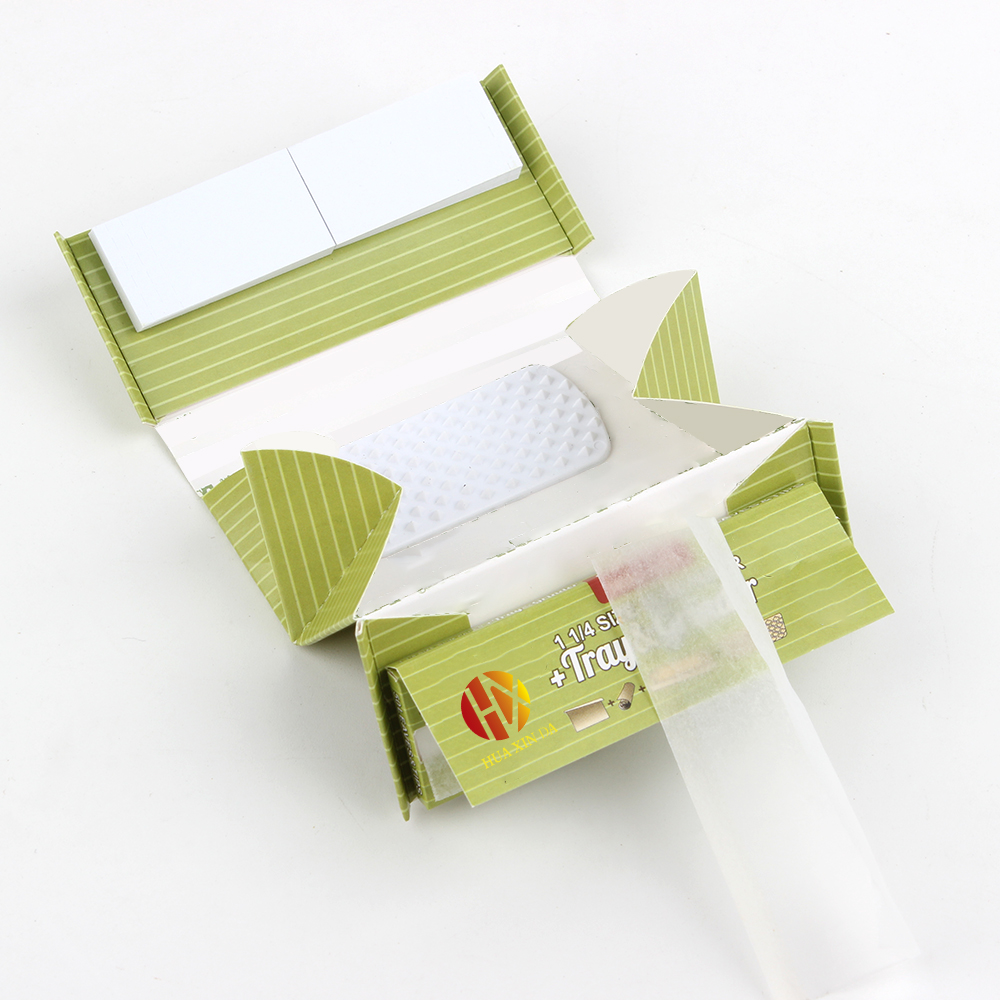
Selecting the right material for custom rolling trays is a critical decision that impacts durability, user experience, and brand perception. Aluminum and tin are two of the most popular metals used in manufacturing rolling accessories, each offering distinct performance characteristics. Understanding the differences between these materials helps businesses make informed decisions when investing in branded tray solutions for corporate gifts, retail products, or promotional items.
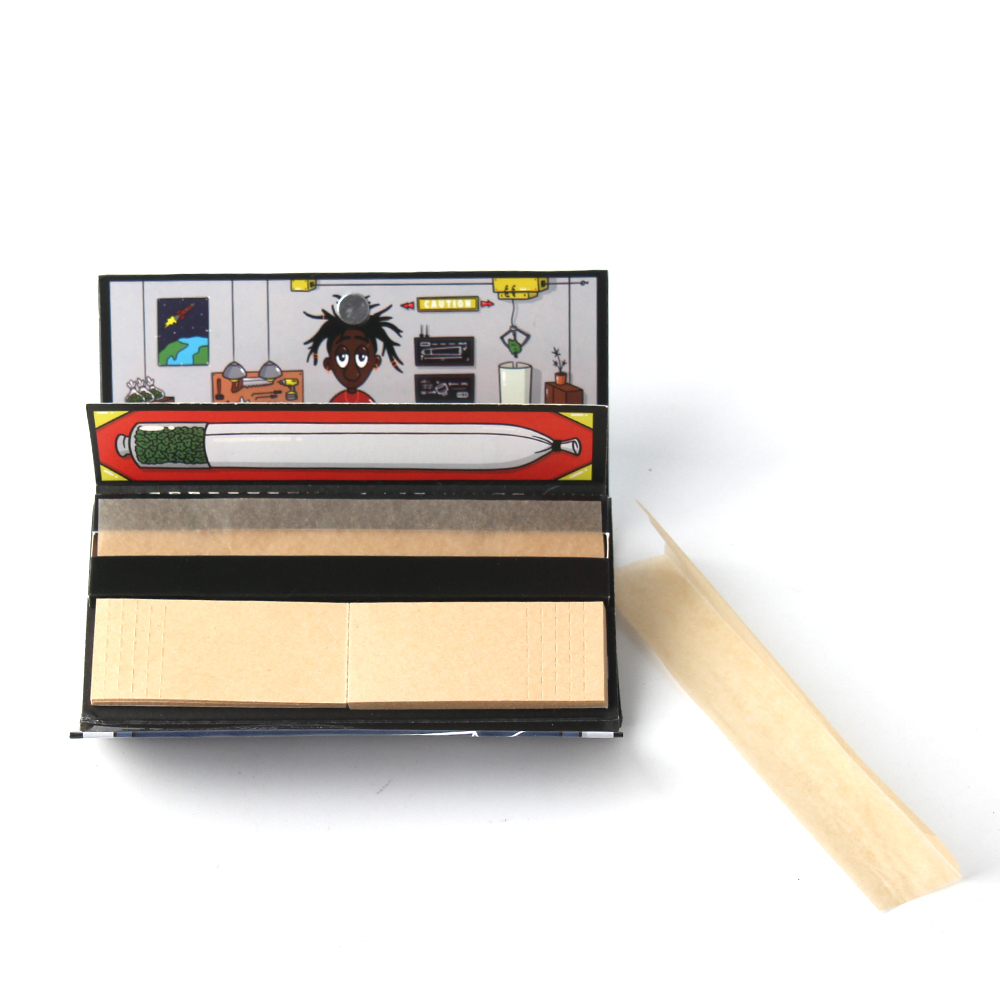
The choice between aluminum and tin for your custom rolling trays directly affects product longevity, aesthetic appeal, and customer satisfaction. Both materials serve as excellent foundations for metal tray production, yet their mechanical properties, cost structures, and environmental profiles differ significantly. This comparison examines performance metrics that matter most to manufacturers, distributors, and end users seeking quality rolling accessories.
Aluminum stands out as a lightweight yet robust choice for custom rolling trays due to its exceptional strength-to-weight ratio. The metal naturally resists corrosion through oxidation, creating a protective oxide layer that preserves the branded tray's appearance over extended use. Aluminum custom rolling trays maintain their structural integrity even with frequent handling and repeated contact with various substances, making them ideal for high-traffic retail environments or demanding consumer applications.
The durability of aluminum metal tray products extends their functional lifespan significantly. Unlike softer metals, aluminum rolling accessories resist denting and warping under normal use conditions. For businesses investing in custom rolling trays as premium branded items, aluminum ensures the product remains visually appealing and functionally sound throughout its consumer lifecycle. The material's natural hardness reduces replacement costs and strengthens brand reputation through product reliability.
Tin presents a softer, more traditional aesthetic for rolling accessories, but it comes with distinct performance trade-offs. While tin offers excellent printability and can showcase intricate custom graphics on branded tray surfaces, the metal's inherent softness makes it vulnerable to denting, creasing, and permanent deformation. Users frequently report that tin metal tray products develop visible damage marks after modest handling, affecting the perceived value of the investment.
Tin rolling accessories also face corrosion risks without proper protective coatings. Unlike aluminum's natural oxide barrier, tin requires external lacquering or enamel protection to prevent oxidation and discoloration. Over time, this protective coating may chip or wear, exposing the underlying metal to moisture and degradation. For custom rolling trays designed for extended use, this limitation creates maintenance challenges and accelerates visible wear.
Aluminum metal tray manufacturing typically costs more per unit than tin production, reflecting the material's superior durability and market demand. However, the custom rolling trays made from aluminum deliver superior long-term value through extended product lifecycles and reduced replacement frequency. Businesses purchasing branded tray inventory should evaluate total cost of ownership rather than initial acquisition price alone.
Custom rolling trays manufactured from aluminum justify premium pricing through measurably longer usable lifespans and consistent brand representation. The investment stabilizes when calculated against customer satisfaction metrics, reduced product returns, and diminished warranty claims. For enterprises building rolling accessories as core product offerings, aluminum's reliability translates directly to profitability and market competitiveness.
Tin metal tray production requires lower material costs, making it attractive for price-sensitive applications and high-volume promotional campaigns. Businesses with budget constraints may find tin rolling accessories more feasible for initial inventory development or limited-run branded tray projects. The lower upfront investment allows companies to test market response with minimal financial exposure.
However, tin's affordability advantage diminishes when accounting for expected product damage, customer complaints, and potential return rates. Rolling accessories manufactured from tin may require more frequent inventory rotation and replacement cycles, ultimately offsetting initial cost savings. For organizations prioritizing quality metrics and brand consistency, the cost-benefit analysis typically favors aluminum despite higher per-unit expenses.
Aluminum metal tray products demonstrate superior thermal stability across temperature variations common in residential and commercial storage environments. The material maintains structural integrity whether exposed to heat, cold, or humidity fluctuations. Custom rolling trays made from aluminum resist chemical degradation when contacted by oils, solvents, and other substances, extending product reliability across diverse usage scenarios and environments.
Tin rolling accessories show reduced performance when exposed to temperature extremes or chemical contact. The metal's softer composition means thermal stress can compound existing material fatigue, leading to warping or surface cracks. Branded tray products manufactured from tin require careful storage conditions and usage guidelines to maintain acceptable performance standards, adding operational complexity for retailers and end users.
Both aluminum and tin offer excellent customization potential for branded tray applications, supporting full-color printing, embossing, and engraving techniques. Aluminum metal tray surfaces accept various coating finishes—matte, gloss, or specialty effects—that enhance visual appeal while maintaining protective properties. The material preserves graphic quality and color vibrancy throughout the product's functional lifespan, ensuring consistent brand representation.
Tin rolling accessories provide highly detailed printable surfaces and traditional aesthetic appeal that resonates with consumers seeking vintage or retro product styling. However, the material's susceptibility to surface damage means printed graphics and custom designs deteriorate visibly with normal handling. For applications where pristine appearance directly influences purchasing decisions, aluminum custom rolling trays maintain competitive visual advantages over time.
Aluminum significantly outperforms tin for durability and long-term performance in custom rolling trays. Aluminum's superior hardness, corrosion resistance, and structural stability make it the preferred choice for products subjected to frequent handling, environmental stress, or extended storage. While tin offers cost advantages and aesthetic appeal, aluminum delivers measurably better reliability for rolling accessories intended for frequent consumer use.
Aluminum maintains consistent performance across diverse environmental conditions, resisting humidity, temperature fluctuations, and exposure to various chemicals without degradation. Tin rolling accessories require more careful environmental control, as moisture can accelerate corrosion beneath protective coatings, and temperature extremes may cause warping. For branded tray products stored in uncontrolled environments or used outdoors, aluminum demonstrates superior resilience and maintains product integrity over extended periods.
Aluminum represents the optimal choice for custom rolling trays intended for premium positioning, corporate gifting, or retail environments where durability influences customer satisfaction and brand reputation. Tin may suit limited-run promotional campaigns or budget-conscious applications where lower per-unit costs take priority over extended product lifespan. Evaluate total cost of ownership, expected customer usage patterns, and brand image requirements when selecting between aluminum and tin metal tray materials for your rolling accessories investment.