EN
EN

comparing-chlorinefree-processing-vs-bleached-custom-rolling-papers, comparing-chlorinefree-processing-vs-bleached-custom-rolling-papers, /news
EN
2026/09/22
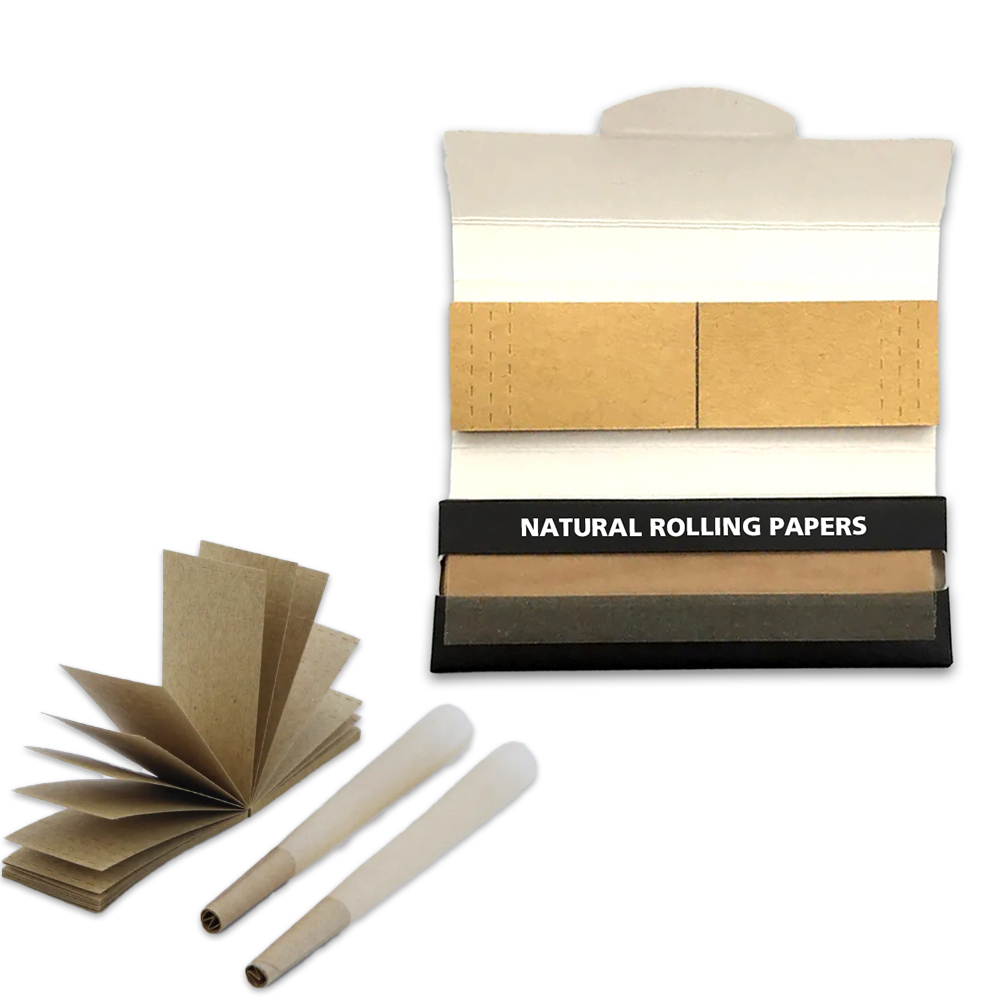
The choice between chlorine-free processing and bleached custom rolling papers represents a fundamental decision for businesses and consumers seeking quality smoking materials. Understanding the differences between these production methods is essential for making informed purchasing decisions. Chlorine-free processing has gained significant traction as manufacturers and end-users prioritize health considerations and environmental sustainability. This comparison explores the technical, safety, and quality implications of both approaches to help you select the right custom rolling papers for your specific needs.
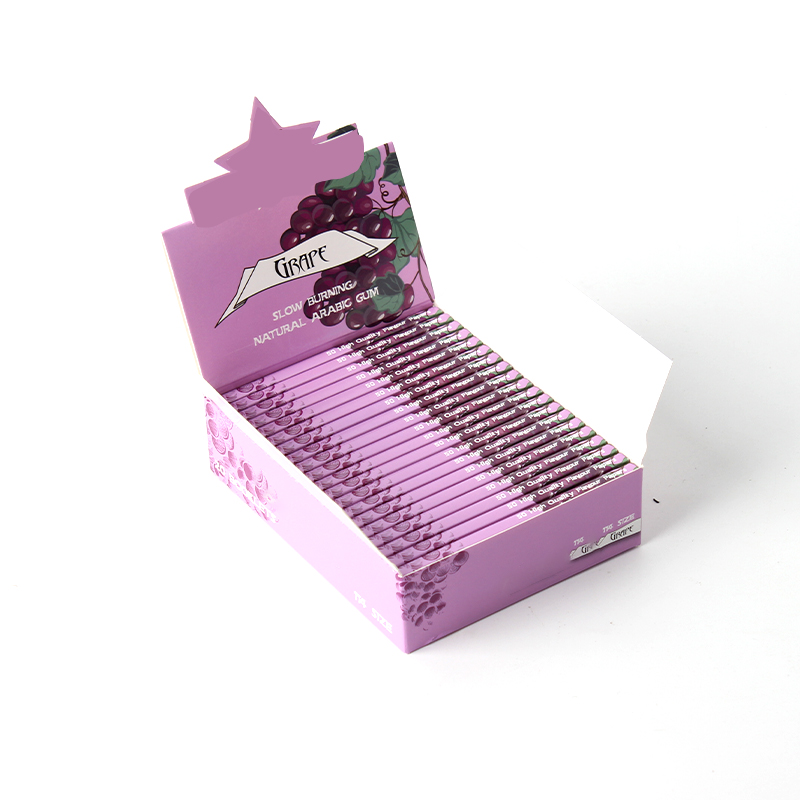
When evaluating custom rolling papers, the manufacturing process directly impacts the final product's characteristics, from appearance and burning properties to residual chemical content. Bleached papers undergo chemical treatment using chlorine or chlorine dioxide to achieve brightness and opacity, while chlorine-free alternatives rely on oxygen-based bleaching or remain unbleached. Each approach carries distinct advantages and trade-offs that manufacturers must weigh carefully. This guide examines how processing methods influence quality standards, consumer safety, and long-term suitability for various applications in the rolling paper industry.
Bleached custom rolling papers utilize chlorine or chlorine dioxide during the pulping and whitening stages. This traditional approach has dominated the rolling paper market for decades because it produces consistently bright, uniform sheets with excellent opacity. The bleaching process removes lignin and other impurities, resulting in stronger fibers and improved burning characteristics. However, bleached paper may retain trace chlorine residues even after thorough rinsing, which raises health and environmental concerns among certain consumer groups and regulatory bodies.
Manufacturers employing bleached production methods achieve precise color standardization and predictable physical properties. The brightness levels of bleached papers typically range from 85 to 95 on standard brightness scales, providing the crisp white appearance many consumers associate with premium quality. This uniformity simplifies quality control and allows for reliable batch-to-batch consistency in commercial rolling paper operations.
Chlorine-free processing employs oxygen-based bleaching agents such as hydrogen peroxide and ozone, which break down into water and oxygen without leaving persistent chemical residues. Organic paper production adheres to even stricter standards, utilizing unbleached paper or minimal-treatment processes that preserve the natural pulp characteristics. These methods align with growing consumer demand for healthier, more environmentally responsible products in the smoking accessories market. The chlorine-free approach appeals to manufacturers seeking differentiation and to consumers concerned about chemical exposure during product use.
Unbleached paper retains natural lignin and pigmentation, resulting in a cream or light brown color that distinguishes it visually from conventional bleached varieties. While unbleached paper may appear less refined aesthetically, it offers a more natural smoking experience and eliminates concerns about synthetic whitening agents. Custom rolling papers made from organic paper sources often command premium pricing due to their perceived health benefits and environmental stewardship.
Regulatory bodies in Europe and other jurisdictions have increasingly scrutinized the safety profile of bleached paper products, particularly regarding dioxin formation and chlorine residues. While modern bleaching facilities employ controls to minimize harmful byproducts, chlorine-free alternatives eliminate this concern entirely by avoiding chlorine-based chemicals altogether. Consumer awareness campaigns have amplified focus on product purity, creating market pressure for manufacturers to adopt safer production methods. For businesses marketing custom rolling papers directly to health-conscious consumers, chlorine-free certification represents a competitive advantage and a trust signal.
Studies examining smoking paper composition have documented that chlorine-free and organic paper options produce fewer potentially harmful compounds during combustion compared to heavily bleached alternatives. This evidence has driven adoption among premium and specialty brands positioning their custom rolling papers as cleaner-burning and safer for regular users. However, the differences in actual health impact remain modest for occasional users, and individual smoking habits influence overall exposure far more than paper type alone.
Chlorine-free manufacturing processes significantly reduce environmental contamination in waterways and ecosystems surrounding paper mills. Oxygen-based bleaching eliminates dioxin discharge, protecting aquatic life and reducing bioaccumulation in food chains. Unbleached paper production requires even fewer chemical inputs, minimizing the carbon footprint and processing energy associated with extensive treatment stages. Manufacturers adopting chlorine-free methods often obtain environmental certifications that appeal to corporate buyers and environmentally conscious retailers seeking sustainable supply chains for their custom rolling papers.
The shift toward organic paper and chlorine-free rolling papers reflects broader industry trends toward circular economy principles and reduced chemical dependency. Sustainable forestry practices paired with minimal-impact processing create a compelling value proposition for brands targeting environmentally aware demographics. However, the actual environmental benefit depends heavily on pulp sourcing, transportation distances, and overall supply chain management rather than bleaching method alone.
Custom rolling papers manufactured using chlorine-free methods often exhibit slower, more even burn rates compared to some bleached varieties, providing users with extended smoking sessions and perceived value. The absence of chemical residues eliminates harsh aftertaste and unpleasant odor that certain sensitive users report with heavily bleached papers. Unbleached paper delivers a subtly different sensory experience, with many enthusiasts praising the natural flavor profile and reduced paper taste interference. These performance distinctions allow manufacturers to position different product lines for distinct consumer segments and use cases.
Bleached custom rolling papers maintain advantages in terms of visual appeal and uniformity, making them ideal for mass-market distribution and consumers who prioritize aesthetic consistency. The superior whiteness and opacity of bleached papers appeal to users who value the traditional smoking paper appearance and associate brightness with quality. Performance differences between production methods remain subtle enough that user preference often overshadows objective quality metrics, allowing both bleached and chlorine-free options to maintain strong market positions.
Chlorine-free and organic paper production typically involves higher input costs due to premium pulp sourcing, specialized bleaching equipment, and certification compliance. These increased manufacturing expenses translate to higher wholesale prices for custom rolling papers, which manufacturers must communicate to retailers and distributors effectively. Many brands successfully justify premium pricing through health claims, environmental messaging, and perceived superiority among target demographics willing to pay more for cleaner products. Market segmentation allows manufacturers to offer both bleached and chlorine-free product lines, serving price-sensitive and premium-focused customer bases simultaneously.
The market landscape for custom rolling papers has shifted toward greater product diversification, with manufacturers recognizing that different consumers value different attributes. Chlorine-free options increasingly represent standard offerings rather than niche premium products, driven by regulatory pressure and consumer preference evolution. Businesses entering or expanding the rolling paper market must carefully assess target customer priorities and purchasing power to determine optimal product mix and positioning strategies between bleached and unbleached paper options.
Chlorine-free rolling papers eliminate exposure to chlorine residues and reduce the formation of potentially harmful combustion byproducts compared to bleached varieties. However, the actual health difference for typical users remains modest, and individual smoking habits influence overall risk far more than paper type. For health-conscious consumers and regular users seeking to minimize chemical exposure, chlorine-free options represent a meaningful improvement, though occasional users may notice little practical difference.
Yes, unbleached and chlorine-free custom rolling papers typically burn more slowly and evenly than heavily bleached alternatives due to retained lignin and different fiber composition. Users often report extended smoking sessions and improved flavor clarity with unbleached papers, though individual perception varies considerably based on personal preferences and smoking technique. The performance advantage of chlorine-free papers has made them increasingly popular among enthusiasts seeking optimal burning characteristics.
Relevant certifications for chlorine-free custom rolling papers include the EU Ecolabel, FSC (Forest Stewardship Council) certification for sustainable forestry, and organic certifications from recognized bodies. ISO 9001 quality management systems ensure consistent production standards, while specific testing for chlorine residues provides additional assurance. When selecting suppliers for chlorine-free rolling papers, verify third-party certifications and request detailed documentation of processing methods and chemical testing results to confirm authenticity and compliance with marketing claims.