EN
EN

comparing-paper-glass-and-ceramic-preroll-tips-for-heat-dissipation, comparing-paper-glass-and-ceramic-preroll-tips-for-heat-dissipation, /news
EN
2026/08/10
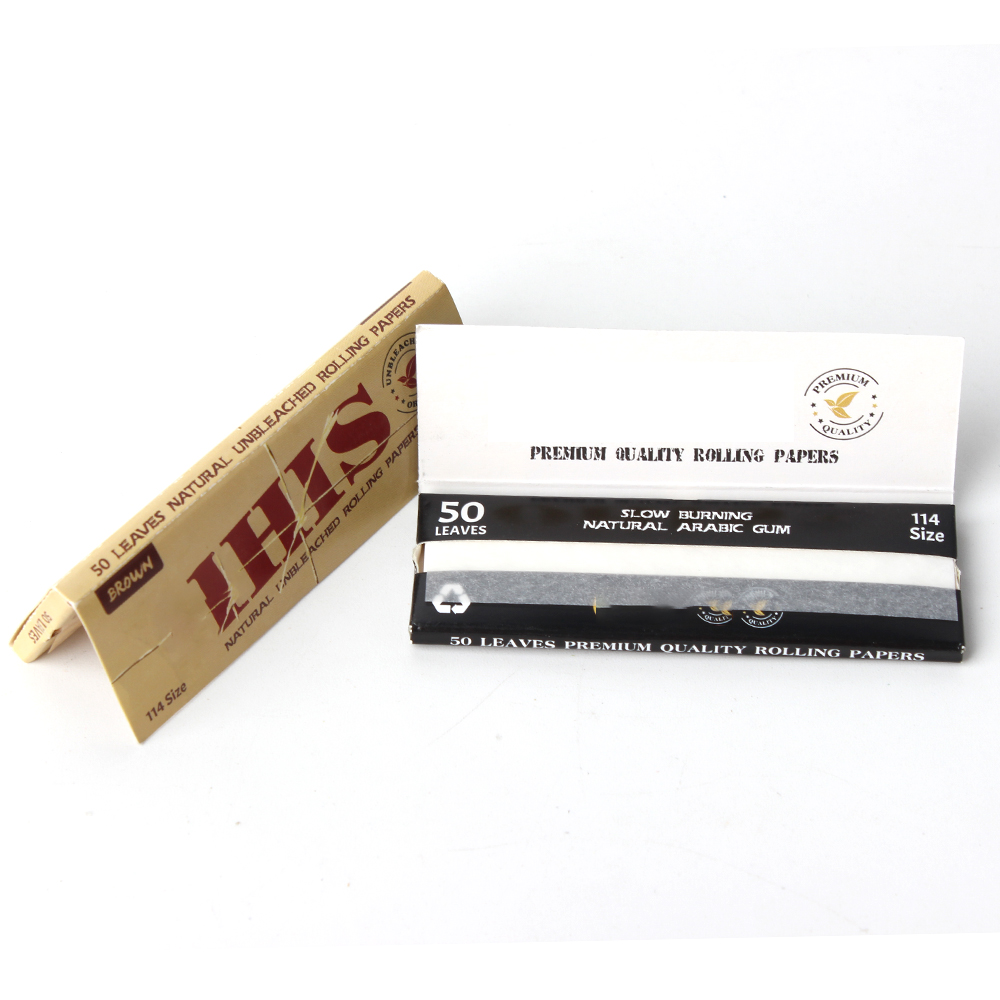
Selecting the right pre-roll tips significantly impacts your smoking experience, particularly when it comes to heat management and comfort. The material you choose determines how effectively heat is dissipated during use, affecting both flavor preservation and session smoothness. Understanding the thermal properties of different tip materials helps you make an informed decision that aligns with your preferences and smoking style.
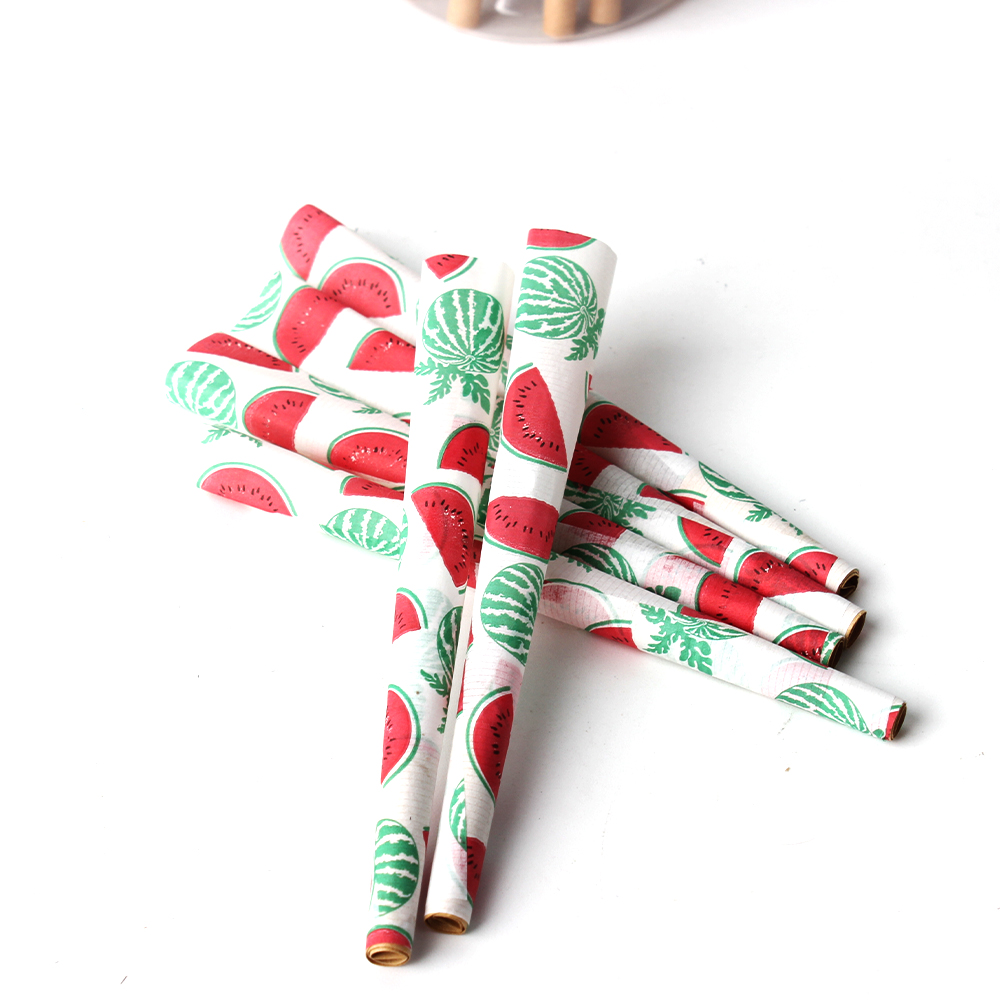
Paper, glass, and ceramic pre roll tips each offer distinct advantages and limitations regarding heat dissipation. Paper provides affordability and convenience, glass delivers superior thermal control, and ceramic combines aesthetic appeal with functional heat management. Comparing these three materials helps you identify which option best matches your smoking preferences and specific use cases.
Paper pre roll tips represent the most economical and accessible choice for smokers. The cellulose structure of paper provides minimal insulation, allowing heat to transfer relatively quickly during smoking sessions. This property means paper tips warm up faster than glass or ceramic alternatives, which some users prefer for immediate flavor release. However, the rapid heat transfer also means the burning area becomes hotter, potentially creating a less comfortable experience near the mouth end.
Paper construction varies in thickness and fiber density, which influences heat dissipation rates. Higher-quality papers with tighter weaves dissipate heat more gradually than thin, loosely constructed papers. The natural burning characteristics of paper also contribute to heat management, as the material itself combusts gradually, maintaining a consistent temperature profile. Despite these variations, paper fundamentally lacks the thermal mass needed for advanced heat control compared to glass tips or ceramic tips.
Wooden tips sometimes pair with paper construction, creating composite structures that enhance heat dissipation through the wood's insulating properties. The combination of paper and wooden reinforcement distributes heat more effectively across the tip structure. Many smokers appreciate paper pre roll tips for casual sessions due to their low cost and disposable nature, though they sacrifice the thermal advantages offered by more durable materials. Rolling with paper tips also provides a traditional smoking experience that resonates with experienced users.
Glass tips represent a substantial upgrade in heat management technology compared to paper alternatives. The dense molecular structure of glass conducts heat away from the smoking zone efficiently, cooling the inhaled smoke before it reaches your mouth. This thermal conductivity characteristic makes glass tips particularly appealing for users seeking smoother, cooler sessions. The nonporous nature of glass also prevents residue buildup, maintaining consistent heat dissipation throughout extended smoking periods.
The design of glass pre roll tips often incorporates hollow chambers or specialized geometry that maximizes surface area for heat transfer. Some glass tips feature textured interiors that increase turbulence, promoting better heat exchange between the smoke and the glass material. Premium glass construction with borosilicate materials enhances durability and temperature stability, preventing thermal stress fractures during intense smoking sessions. These engineering features position glass tips as serious equipment for users prioritizing heat management and smoking comfort.
Glass tips deliver exceptional longevity when handled with reasonable care, making them economical over extended timescales despite higher initial investment. Unlike paper tips that degrade with each use, glass maintains structural integrity across hundreds of smoking sessions. The reusable nature of glass pre roll tips reduces waste and environmental impact compared to single-use paper alternatives. Users appreciate the consistency of glass tips, knowing that heat dissipation performance remains stable regardless of how many times the tip has been used.
Ceramic pre roll tips occupy a middle ground between paper and glass, offering moderate heat dissipation with aesthetic versatility. The crystalline structure of ceramic materials provides thermal buffering without the extreme conductivity of glass, creating a more gradual cooling effect. This property appeals to users seeking comfort without the rapid temperature drop that glass tips produce. Ceramic's insulating characteristics also preserve flavor profiles better than glass, as the slower heat transfer maintains smoke temperature within optimal taste ranges.
Ceramic tips can be manufactured in various forms, from traditional solid constructions to hollow designs that enhance heat exchange. The material's natural porosity, when sealed properly, allows subtle moisture regulation that can improve smoking comfort. Many premium ceramic tips feature glazed surfaces that prevent resin absorption while maintaining heat dissipation efficiency. The customization potential of ceramic materials enables manufacturers to create wooden tips alternative products with personalized aesthetics, appealing to users who view smoking accessories as lifestyle expressions.
Ceramic tips showcase superior design flexibility compared to glass or paper options, allowing for decorative elements and artistic finishes. Users often select ceramic pre roll tips specifically for their visual appeal combined with functional heat management benefits. The material's durability approaches glass standards while offering weight and feel characteristics that some smokers prefer. Ceramic's compatibility with various decorative techniques makes it ideal for collectors or users seeking personalized smoking experiences.
Ranking materials by pure heat dissipation capability places glass tips at the top, followed by ceramic pre roll tips, with paper providing the least cooling effect. Glass tips reduce smoke temperature by approximately fifteen to twenty degrees Celsius compared to paper alternatives, while ceramic tips typically achieve five to ten degree reductions. However, this ranking doesn't account for user preferences regarding flavor, comfort sensation, or smoking speed. Some experienced users deliberately choose paper or ceramic tips despite lower heat dissipation because they prefer warmer smoke that develops flavor more intensely.
Paper pre roll tips cost significantly less than glass or ceramic alternatives, making them accessible for budget-conscious users or those experimenting with smoking preferences. Glass tips represent a moderate investment that justifies itself through extended reusability and consistent performance. Ceramic tips typically fall between paper and glass in terms of initial cost, though premium decorative variants can exceed glass pricing. Buyers should evaluate total cost of ownership rather than single-purchase price, considering how many times each tip material will be used before replacement becomes necessary.
Glass tips provide the most efficient heat dissipation due to their dense molecular structure and superior thermal conductivity. Glass cools smoke temperature significantly more than ceramic or paper alternatives, making it ideal for users prioritizing comfort and smooth smoking experiences. The nonporous surface of glass also maintains consistent performance throughout extended sessions without degradation.
Wooden tips offer improved heat insulation compared to paper alone, creating a more comfortable smoking experience by reducing temperature transmission to the user's mouth. However, wooden tips don't actively dissipate heat like glass or ceramic tips do. Wooden tips work best for users who prefer slower heat transfer and warmer smoke flavor profiles rather than active cooling. The wood's natural insulating properties make wooden tips suitable for casual smoking rather than intensive heat management applications.
Glass tips typically last longer than ceramic pre roll tips when used regularly, as borosilicate glass resists thermal stress better and doesn't accumulate the same wear patterns. Both materials substantially outlast paper tips, which degrade after single use. Ceramic tips can last several hundred uses with proper care, while glass tips often remain functional for thousands of sessions. Actual lifespan depends on usage frequency, cleaning practices, and manufacturing quality of each specific product.