EN
EN

controlling-combustion-uniformity-in-custom-printed-rolling-papers, controlling-combustion-uniformity-in-custom-printed-rolling-papers, /news
EN
2026/08/14
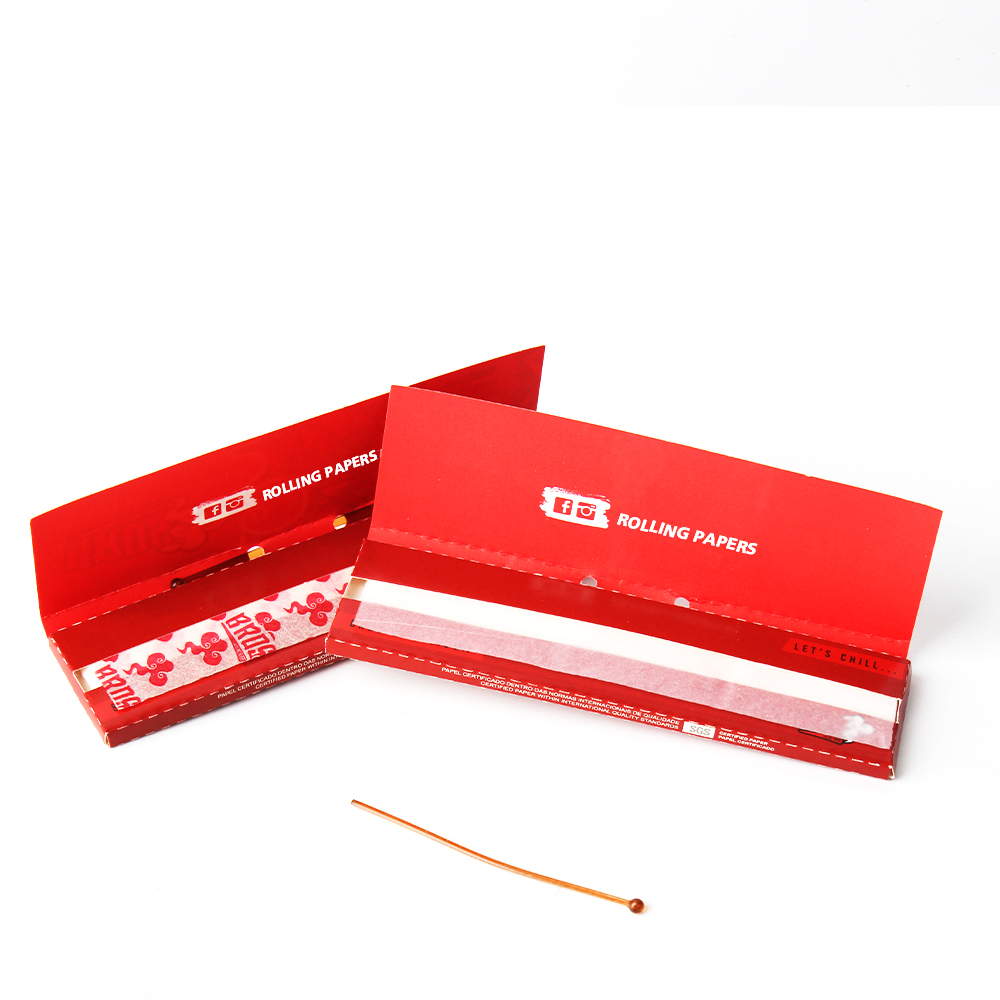
Achieving consistent combustion uniformity in custom rolling papers requires precise control over multiple production variables. When manufacturers develop branded rolling paper solutions, combustion consistency becomes a critical quality indicator that directly affects user experience and product reputation. Uniformity in burn patterns ensures that the product performs predictably across every sheet, eliminating hot spots, uneven consumption, and premature wrapper degradation that frustrate end users.

The science behind combustion uniformity in branded rolling paper involves understanding how paper composition, manufacturing precision, and material selection work together to create a smooth, even burn. Custom burn rate optimization requires attention to fiber distribution, coating consistency, and wrapper thickness. When these elements are properly balanced, users experience a reliable product that burns at the intended speed without canoeing, tunneling, or excessive ash production. This technical foundation supports both consumer satisfaction and brand differentiation in competitive markets.
The raw materials selected for custom rolling papers determine baseline combustion behavior. Natural plant fibers, such as hemp, flax, and wood pulp, each possess inherent burn characteristics that influence how quickly the paper oxidizes when exposed to flame. Manufacturers of slow burn custom paper must select fiber blends that naturally resist rapid oxidation while maintaining structural integrity during rolling and smoking. A well-engineered custom burn rate starts with fiber selection that balances rapid ignition with controlled flame propagation, ensuring the paper sustains a steady burn rather than racing through the product.
When developing branded rolling paper for specific consumer segments, manufacturers analyze fiber diameter, length, and porosity to predict combustion uniformity. Shorter fibers tend to burn faster because they create more surface area for oxidation, while longer fibers resist flame and promote slower consumption. Custom rolling papers designed for extended session duration require longer fiber structures combined with appropriate binders that don't accelerate burn rates. This careful calibration of fiber properties is foundational to achieving predictable custom burn rate performance across production batches.
The additives and processing chemicals used in custom rolling papers significantly impact combustion uniformity and ash quality. Calcium carbonate, used as a filler and ash whitener, influences burn temperature and flame stability. Natural gum adhesives and sizing agents affect how consistently the wrapper adheres during use and how evenly the flame spreads across the paper surface. Branded rolling paper manufacturers must carefully select chemical components that complement the base fiber composition without introducing unwanted smoke, flavor alterations, or inconsistent burning patterns.
Slow burn custom paper formulations often incorporate specific minerals and processing stabilizers that slow oxidation rates without creating chemical residues. The ash structure produced during combustion reflects the chemical composition of the original paper. When ash is consistently white, holds together, and maintains structural integrity throughout the burn, it indicates that chemical composition has been properly balanced. Achieving this consistency requires rigorous quality control during the mixing, coating, and finishing stages of custom rolling paper production.
Manufacturing tolerance in custom rolling papers directly determines combustion uniformity across every sheet produced. Thickness variations as small as 0.01 millimeters create noticeable differences in burn rate, with thinner sections burning faster than thicker ones. Modern production facilities use precision calendering equipment to maintain consistent paper density throughout the manufacturing run, ensuring that branded rolling paper meets exact specifications. When custom burn rate control is the objective, manufacturers employ real-time monitoring systems that measure thickness at multiple points across the paper web and automatically adjust machine settings to maintain target specifications.
Density consistency affects how tightly fibers are packed within the paper matrix, which directly influences oxygen penetration and flame propagation speed. Slow burn custom paper requires denser structures that restrict oxygen diffusion and slow the combustion process. Production equipment must apply consistent pressure during the pressing phase to achieve uniform density. Quality control testing measures basis weight, thickness, and porosity for every production batch, with samples tested for actual burn time to verify that specifications translate into real-world performance.
The coating applied to custom rolling papers influences moisture retention, surface texture, and combustion behavior. Uniform coating distribution ensures that every section of the paper encounters flame under identical conditions. Branded rolling paper manufacturers use precision coating heads and metering systems to apply gum, sizing agents, and protective coatings at exact weights per unit area. When coating thickness varies, some sections of the paper become more hydrophobic than others, creating pockets where moisture levels differ and burn rates become unpredictable.
Surface preparation processes, including calendering and smoothing, directly affect how evenly the wrapper burns. A properly prepared surface ensures consistent contact between the burning tobacco or herb and the paper, preventing air gaps that cause uneven combustion. Custom rolling papers that undergo precise surface finishing exhibit superior combustion uniformity because the flame front moves smoothly across the entire paper width. Manufacturers dedicated to custom burn rate optimization invest in finishing equipment that produces smooth, uniform surfaces on slow burn custom paper without compromising structural strength.
Validating combustion uniformity in custom rolling papers requires systematic burn testing that measures actual performance under controlled conditions. Manufacturers prepare standardized test samples filled with consistent materials and weight, then measure the time required for complete combustion. Advanced testing protocols measure burn rate at multiple points along the paper length, identifying any irregularities that indicate non-uniform combustion. Branded rolling paper producers compare test results against target specifications to ensure that custom burn rate objectives are consistently met across production runs.
Professional burn testing measures not only total combustion time but also flame stability, ash quality, and smoke consistency. A uniform burn produces a stable, steady flame that maintains consistent height and temperature throughout the session. Non-uniform combustion creates flame fluctuations, hot spots where the paper burns rapidly, and cool zones where the burn slows or extinguishes. By systematically testing slow burn custom paper samples from different production batches and positions, manufacturers identify process variations that compromise uniformity before products reach end users.
Maintaining combustion uniformity across large-scale production requires detailed documentation of process parameters, material specifications, and quality test results. Every production batch of custom rolling papers should include documented evidence that combustion uniformity meets specifications. This documentation includes fiber supplier certifications, chemical component testing, equipment calibration records, and burn test results from representative samples. When branded rolling paper is produced for critical applications or premium market segments, batch validation becomes particularly important for maintaining customer confidence and product reputation.
Custom burn rate consistency demands that manufacturers establish clear specifications for each parameter that influences combustion and maintain strict adherence to those specifications throughout production. When batch testing identifies deviations from combustion uniformity targets, production protocols require investigation into the specific process step or material component that created the variance. This systematic approach to quality verification ensures that custom rolling papers consistently deliver the promised burn performance and reinforces brand credibility in competitive markets.
The primary factors affecting custom burn rate include fiber length and diameter, paper density, thickness uniformity, chemical composition, and moisture content. Slower burn rates typically result from longer fibers, higher density, and specific mineral additives that resist oxidation. Manufacturers optimize these variables during material selection and production setup to achieve the target custom burn rate for each branded rolling paper product line.
Slow burn custom paper maintains combustion uniformity through precise manufacturing control of thickness, coating application, and density consistency. Manufacturers employ real-time monitoring equipment and automated adjustment systems to maintain specifications within tight tolerances. Regular batch testing verifies that each production run meets combustion performance objectives, with systematic documentation providing traceability and evidence of quality control compliance.
Combustion uniformity directly affects user experience and brand reputation, as inconsistent burn performance frustrates consumers and generates negative product reviews. When branded rolling paper consistently delivers predictable, even combustion, it builds customer loyalty and justifies premium pricing. Uniform performance across every sheet also reduces quality complaints and returns, protecting profitability and market share in competitive segments.