EN
EN

crushresistant-packaging-strategies-for-cones-with-preinserted-tips, crushresistant-packaging-strategies-for-cones-with-preinserted-tips, /news
EN
2026/09/30
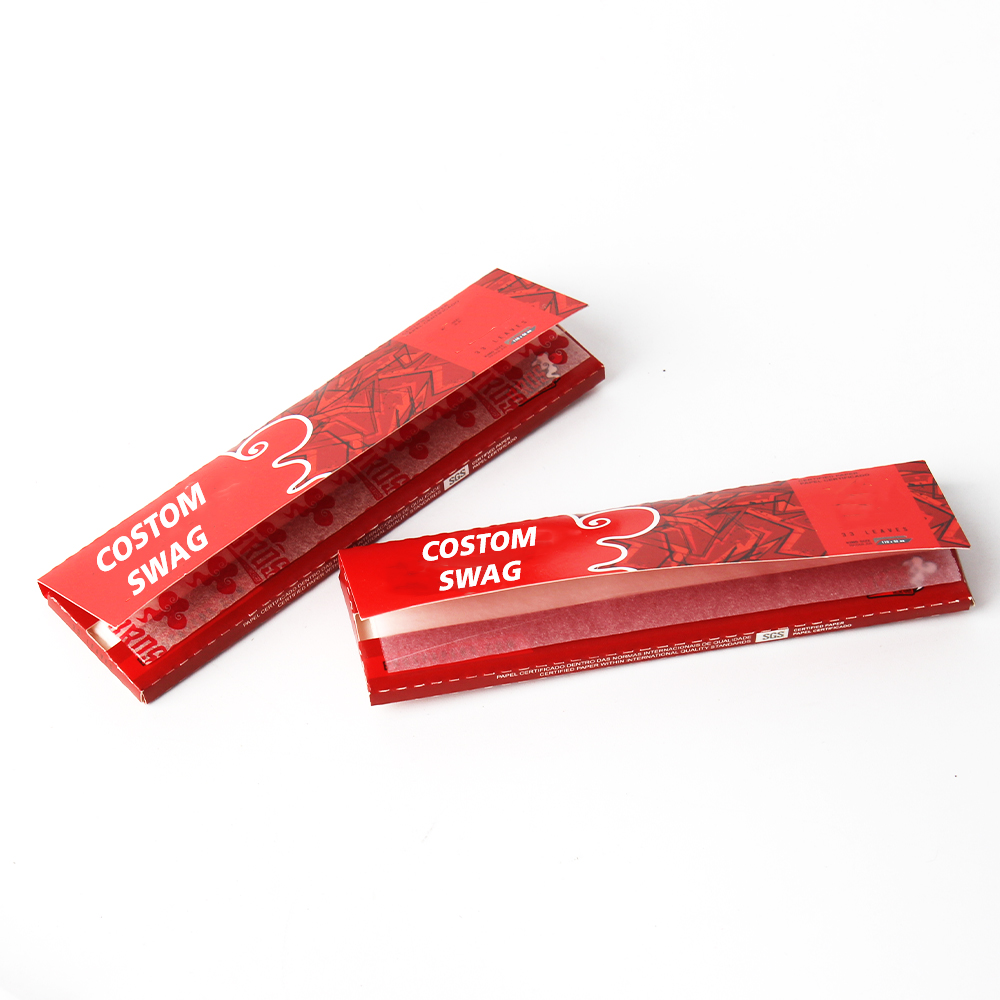
Pre-roll cones with filter tips represent a significant investment in product quality and brand consistency. When these cones move through supply chains, warehouses, and retail environments, they face constant risks of compression, impact, and deformation. Crush-resistant packaging strategies are essential to preserve the structural integrity of your bulk cones with tip and maintain customer satisfaction from first impression to final use.
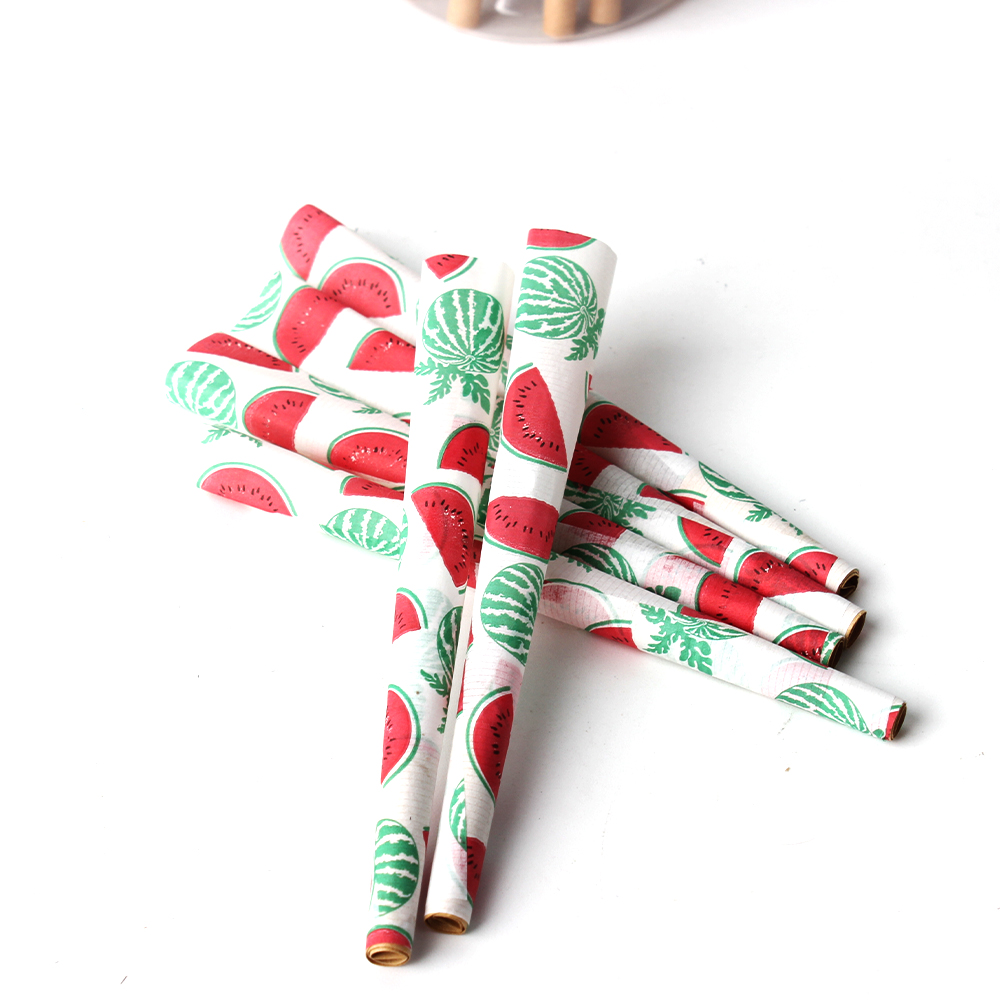
The packaging challenge for pre-roll cones extends beyond simple containment. Filter tips add structural complexity, creating multiple vulnerability points during protective transport. Effective crush-resistant packaging requires understanding material science, load distribution, and real-world handling conditions that products encounter throughout their lifecycle.
Crush damage occurs when external pressure exceeds the product's resistance threshold. For pre-roll cones with filter tips, failure typically happens at three critical zones: the paper cone body, the filter tip interface, and the seam connections. When stacked improperly or subjected to heavy loads, these areas collapse inward, creating visible dents, creases, and permanent deformation that compromise usability.
Understanding protective transport requirements begins with recognizing how weight distribution affects these vulnerability points. A single layer of bulk cones with tip may withstand modest pressure, but multi-unit stacks amplify stress exponentially. Each layer compresses the layers beneath it, and without adequate spacing or cushioning material, even moderate warehouse conditions cause noticeable damage within days.
Humidity, temperature fluctuations, and moisture penetration weaken paper materials over time. Pre-roll cones with filter tips stored in damp environments lose structural rigidity as paper fibers absorb moisture and become more susceptible to crushing. Protective transport packaging must therefore include moisture barriers that prevent environmental exposure, not just physical protection against compression forces.
Vibration during shipping compounds these effects. Constant micro-movements within loosely packed containers gradually wear edges and weaken structural bonds. Crush-resistant packaging minimizes internal movement by securing each cone individually or in stable groups, preventing the cumulative damage that results from thousands of small vibrations during long-distance transport.
Corrugated cardboard with appropriate flute profiles forms the foundation of effective crush-resistant packaging. Double-wall and triple-wall corrugated materials provide superior edge crush resistance compared to single-wall alternatives. When selecting materials for bulk cones with tip, prioritize board grades that exceed your anticipated handling stresses by a safety margin, accounting for stacking heights, forklift pressure, and potential drops.
Interior spacing systems prevent cones from contacting each other during transport. Molded pulp inserts, foam dividers, and custom cardboard compartments distribute weight evenly across the package structure rather than concentrating pressure on individual cones. Pre-Roll Cones with Filter Tips benefit from insert systems that cradle the filter tip separately, preventing stress concentration at this sensitive junction where paper and filter material meet.
Multi-material packaging approaches combine different protective elements into a cohesive system. The outer layer should use crush-resistant packaging materials rated for the weight and stacking height of your shipment. The middle layer typically incorporates cushioning that absorbs impact and distributes compression forces. The inner layer protects individual cones while maintaining accessibility and presentation quality.
For bulk cones with tip applications, consider kraft paper wrapping around individual cones before placing them into secondary containers. This primary protection prevents cone-to-cone friction during protective transport and provides a moisture barrier. Adding desiccant packs within the shipping container maintains humidity stability, preserving the structural properties of paper materials throughout the supply chain journey.
Before committing to any crush-resistant packaging strategy, conduct compression testing to verify performance under realistic conditions. Drop testing, vibration testing, and stacking tests reveal weaknesses that theoretical design cannot predict. Simulate the actual handling your pre-roll cones with filter tips will experience, including warehouse automation equipment, transportation vehicle conditions, and potential rough handling scenarios.
Documentation of testing results provides confidence in your protective transport system and supports customer communication. When retailers or distributors understand that your bulk cones with tip have been tested to withstand specific pressure levels and environmental conditions, they gain confidence in product quality and your brand's commitment to excellence throughout the supply chain.
Crush-resistant packaging only functions effectively when accompanied by clear handling instructions. Labels indicating 'This Side Up,' stacking limits, and environmental storage requirements ensure that your protective transport investment reaches the end customer intact. Training warehouse personnel on proper handling techniques prevents unnecessary damage that well-designed packaging could have prevented.
Coordination with shipping carriers regarding pallet configurations and container placement affects performance significantly. Heavy items should not rest on top of pre-roll cones with filter tips during transport. Creating segregated zones within shipments or using dedicated pallets for cones with sensitive materials ensures that your protective transport strategy remains effective throughout the entire logistics network.
Double-wall and triple-wall corrugated cardboard combined with foam or molded pulp inserts provide optimal crush-resistant packaging performance. The corrugated structure resists compression while the inserts protect individual cones and absorb impact forces. Adding kraft paper wrapping around individual bulk cones with tip adds an additional moisture and friction barrier without significant cost increase.
Conduct ASTM standard compression tests to measure how much weight your packaging withstands before failure. Drop tests from various heights simulate handling accidents. Vibration testing over extended periods reveals weakness in internal compartment design. These standardized tests provide quantifiable data about protective transport capability and reveal design improvements before full-scale deployment.
Yes, but scaling and material selection differ significantly. Retail pre-roll cones with filter tips require attractive presentation and smaller protective transport volumes, allowing for lighter materials and simpler designs. Bulk applications need industrial-grade crush-resistant packaging that handles thousands of units and long-distance protective transport, requiring heavier corrugated materials and more elaborate interior systems.