EN
EN

designing-convenient-tearaway-cover-systems-for-custom-filter-tip-booklets, designing-convenient-tearaway-cover-systems-for-custom-filter-tip-booklets, /news
EN
2026/08/24
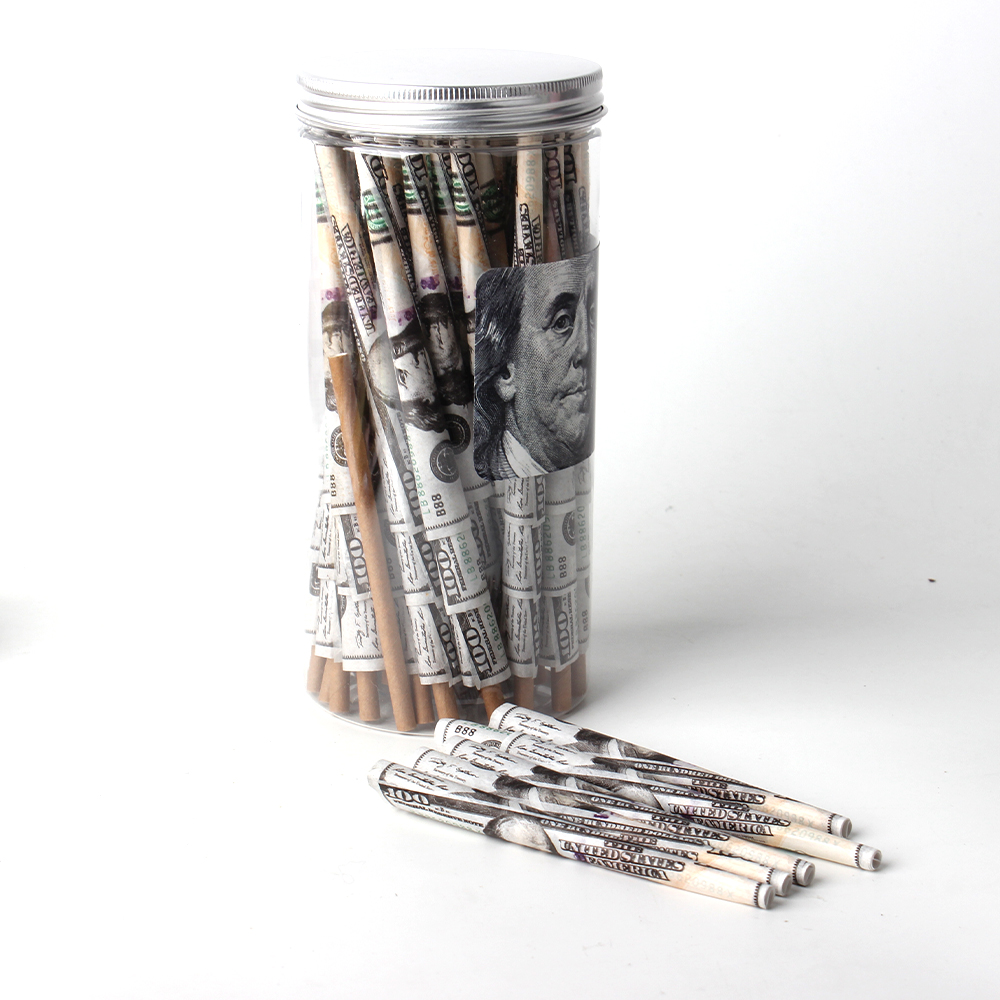
Designing convenient tear-away cover systems for custom filter tip booklets requires a strategic approach that balances functionality with visual appeal. Modern consumers expect seamless unboxing experiences, and custom filters integrated into booklet packaging must deliver both protection and ease of access. The tear-away mechanism transforms a simple product into an interactive experience that reinforces brand identity while solving practical handling challenges. This design innovation has become essential for businesses competing in the premium smoking accessories and tobacco product markets, where presentation and user convenience directly influence purchase decisions and customer loyalty.
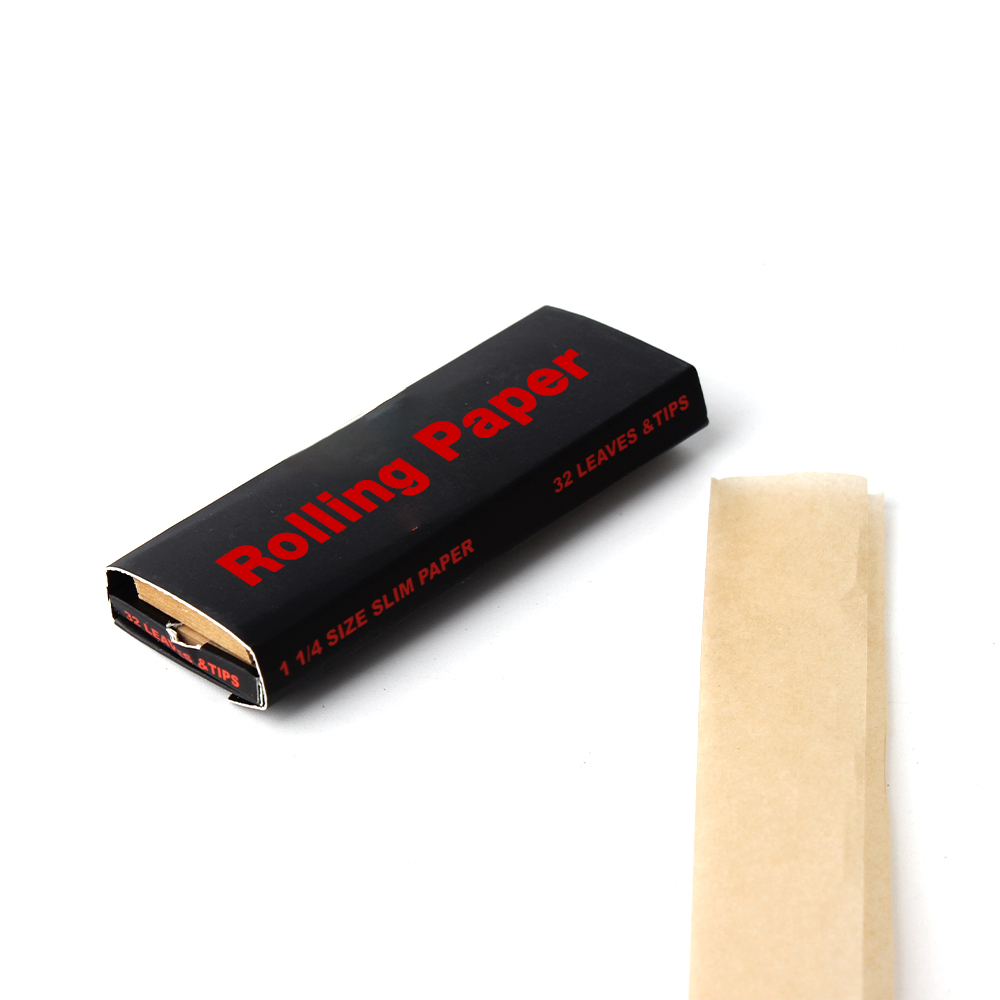
The evolution of custom tip booklets reflects changing market expectations around sustainability, aesthetics, and user experience. Brands now recognize that every touchpoint with the product matters, and packaging design directly communicates product quality and attention to detail. Tear-away cover systems serve dual purposes: they protect the delicate personalized booklet tips during storage and transit, while simultaneously creating an intuitive unboxing ritual. Understanding the mechanics, material choices, and structural considerations behind effective tear-away designs enables manufacturers and brands to create custom filter tips products that customers genuinely appreciate and remember.
The foundation of any tear-away cover system begins with selecting appropriate materials that balance durability with ease of removal. Custom tip booklets require rigid outer shells that protect contents while maintaining an elegant appearance. Premium cardstock, kraft paper, and specialty board stocks provide the structural integrity needed to keep branded paper tips in pristine condition. The tear-away mechanism typically incorporates a perforation or score line that guides the tear direction, reducing user frustration and ensuring predictable separation. Material thickness directly impacts the tactile experience; too thin and the cover feels cheap, too thick and removal becomes difficult or frustrating.
Strategic perforation placement determines whether users easily access personalized booklet tips or struggle with the unboxing process. Perforations should follow intuitive paths that users naturally expect, often along the top edge or side flaps of custom filter tips packaging. The perforation density, hole spacing, and cut depth must achieve balance: sufficient separation to enable clean removal without premature tearing during handling. Geometric precision matters significantly in manufacturing consistency. When perforations misalign or vary across batches, user experience deteriorates, and returns or complaints increase. Testing prototypes across diverse user groups reveals optimal perforation configurations that accommodate different hand strengths and dexterity levels.
Convenience fundamentally stems from intuitive design that requires minimal instruction or trial-and-error. Tear-away mechanisms on custom filter tips should communicate their function immediately upon sight. Visual cues such as subtle arrows, contrasting material colors, or raised edges guide users toward the correct starting point and direction. Custom tip booklets benefit from consistent design language across product lines, so customers who have purchased before instantly recognize how to access new products. Designers often incorporate small pull tabs that provide an ergonomic grip point, significantly improving the removal experience especially for users with mobility challenges. The entire tear-away process should take five seconds or less, creating a satisfying micro-interaction rather than frustration.
Paradoxically, tear-away covers must protect contents while remaining convenient to remove. Branded paper tips inside require safeguarding from crushing, moisture, and contamination during storage and shipping. The tear-away cover system creates a protective barrier that only gets removed when the consumer actively engages with the product. This temporary protection prevents damage that often occurs with fully exposed designs. Multi-layer constructions combining kraft paper outer shells with tissue paper or corrugated inner layers provide cushioning while maintaining reasonable removal force requirements. Strategic air gaps between layers absorb minor impacts without adding excessive bulk. Testing drop simulations and compression tests validates that custom filters within personalized booklet tips remain undamaged through realistic retail handling scenarios.
Premium custom tip booklets use tear-away covers as extended canvases for brand storytelling. The exterior cover design must create anticipation that the interior experience fulfills. Color coordination, typography, and imagery should maintain visual coherence between the removable cover and the underlying booklet. Custom filters displayed through die-cut windows or revealed progressively as users remove layers enhance the discovery experience. Metallic inks, embossing, and specialty finishes applied to tear-away covers signal quality and justify premium pricing. The moment of reveal when the cover separates from custom filter tips packaging becomes a memorable brand interaction that customers often share on social media, amplifying marketing reach organically.
Contemporary consumers increasingly scrutinize packaging materials and disposal impacts. Tear-away cover systems offer an elegant solution by minimizing excess packaging while maintaining structural protection. Designers select FSC-certified papers, soy-based inks, and compostable adhesives that align with environmental values without compromising performance. The removable cover itself becomes repurposable material that customers might retain for display, storage, or artistic projects, extending the product lifecycle beyond immediate consumption. Transparent communication about material sourcing and recyclability builds trust with conscious consumers. Branded paper tips and personalized booklet tips manufacturers who prioritize sustainable tear-away systems often capture market segments willing to pay premiums for environmentally responsible products.
Manufacturing tear-away cover systems at scale introduces precision requirements that directly impact product consistency. Die-cutting equipment must maintain micron-level tolerance across thousands of units to ensure perforations function identically. Adhesive application affects removal force significantly; too much creates stubborn covers, too little causes premature separation. Custom filter tips production facilities implement rigorous quality checkpoints that include pull-force testing, visual inspection, and sample removal trials on every production run. Seasonal humidity variations can affect cardstock properties and perforation performance, requiring environmental controls and material adjustments. Staff training ensures consistent application of adhesives, precise die registration, and proper handling throughout the process.
Validating tear-away system performance requires structured testing that simulates real-world conditions. Pull-force testing machines measure the force required to initiate and complete removal, with target ranges typically between 0.5 to 1.5 kilograms for optimal user experience. Environmental testing subjects custom tip booklets to temperature and humidity extremes to verify perforation integrity and adhesive stability. Repetitive handling tests simulate retail shelving exposure and consumer handling patterns. User testing with representative demographic groups provides qualitative feedback about intuitiveness and satisfaction. Destructive testing of failed samples reveals root causes and informs process improvements. Documentation of test results protects manufacturers against liability claims and provides evidence of quality commitment to retail partners and consumers.
Premium cardstock, kraft paper, and specialty board stocks offer optimal combinations of protection, aesthetics, and removability for custom filter tips applications. Material selection depends on desired thickness, finish, and printing requirements. Thicker materials (250-350 gsm) provide better structural protection for personalized booklet tips during transit and storage, while mid-range weights (200-250 gsm) offer easier removal. Specialty finishes like matte, gloss, or textured surfaces enhance visual appeal and communicate quality. Testing with your specific adhesives and equipment ensures the chosen material achieves proper perforation performance and removal characteristics for branded paper tips.
Optimal perforation density balances clean separation with removal force appropriate for your target audience. Standard perforation spacing ranges from 3-5mm, with hole diameter between 1-1.5mm for most custom filter tips applications. Testing begins with prototype samples at varying densities, measuring pull-force and observing tearing patterns across samples. User feedback from test groups reveals whether current perforation settings feel intuitive and convenient. Environmental factors including humidity affect cardstock properties, so density adjustments may be necessary seasonally. Documentation of your optimal settings enables consistent manufacturing across production runs and future batch orders for personalized booklet tips.
Absolutely. FSC-certified cardstock, kraft papers from responsibly managed forests, and compostable adhesives integrate seamlessly into tear-away cover designs for custom filters. Sustainability and functionality are not opposing goals; many eco-conscious materials perform identically to conventional options while reducing environmental impact. Soy-based inks, water-based adhesives, and minimalist design approaches reduce waste without compromising the tearing experience for custom tip booklets. Communicating material sourcing and end-of-life recyclability builds consumer trust and differentiates your branded paper tips in competitive markets. Testing ensures sustainable materials meet your specific performance requirements before full-scale production implementation.