EN
EN

determining-optimal-width-and-length-for-custom-filter-tip-production, determining-optimal-width-and-length-for-custom-filter-tip-production, /news
EN
2026/09/22
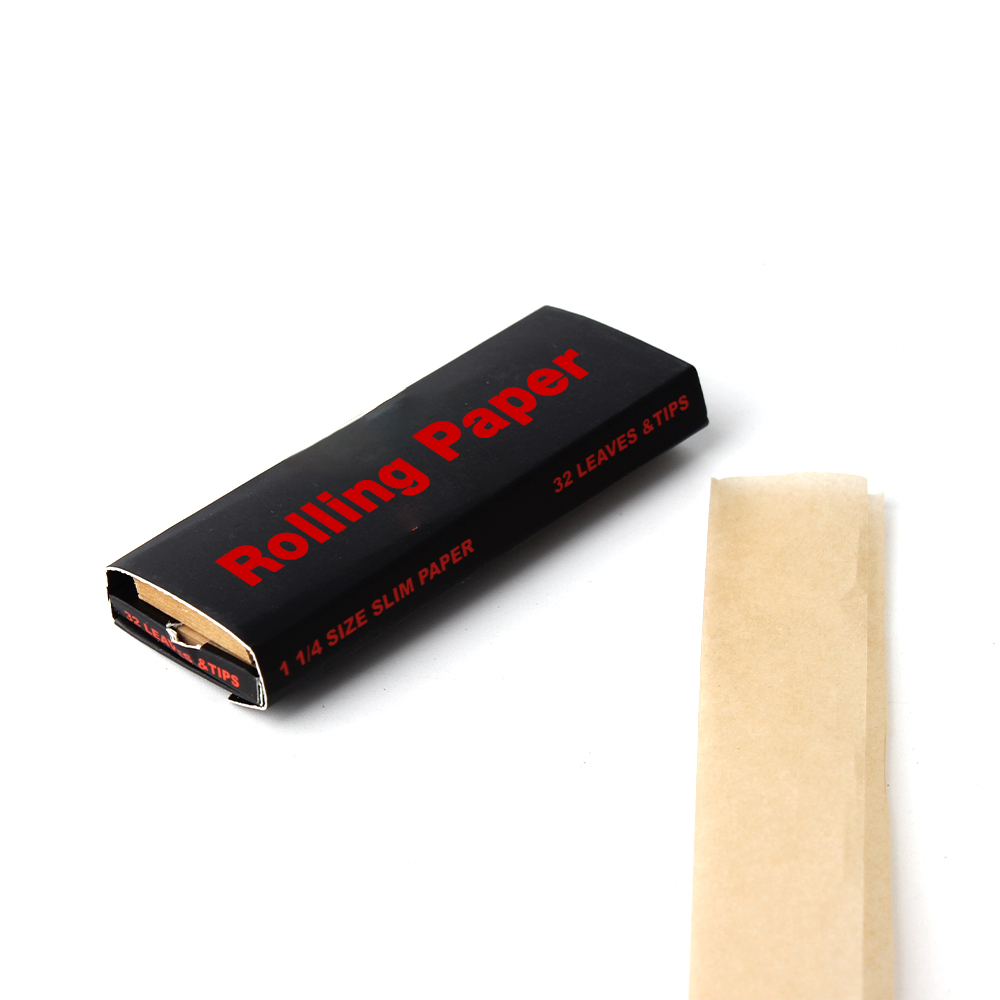
Determining the optimal width and length for custom filters is a critical decision for manufacturers, retailers, and distributors in the rolling accessories industry. The dimensions you choose directly impact product functionality, user experience, material costs, and market competitiveness. Whether you are producing custom filter tips for branded products or developing personalized dimensions for a specific customer base, understanding the technical and commercial factors that drive dimension selection is essential to successful custom size tips production.
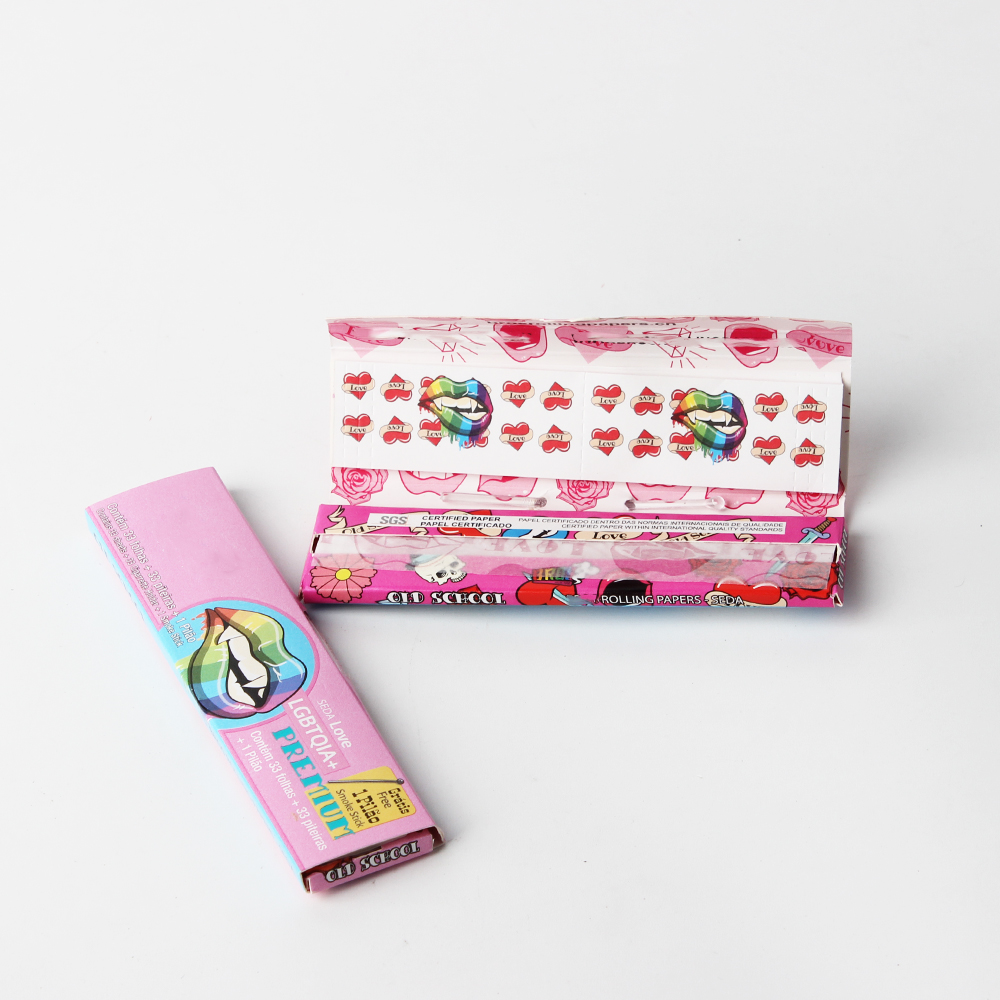
The market for custom filter accessories continues to expand as end-users increasingly seek products that match their specific preferences and lifestyle branding. Manufacturers who can reliably produce custom filter tips in precisely calculated dimensions gain significant competitive advantage. This guide walks you through the key variables, industry standards, and decision frameworks that enable you to select dimensions that satisfy both technical performance requirements and commercial objectives.
The rolling accessories market has established baseline dimensions that serve as reference points for custom size tips development. Standard filter tip lengths typically range from 15mm to 30mm, with widths between 6mm and 12mm when measured in their pre-rolled state. These ranges reflect decades of user feedback and functional optimization across different smoking preferences and product formats. Custom filters must account for these benchmarks while allowing flexibility for brand differentiation and niche market positioning.
Understanding why these standards exist helps inform your personalized dimensions strategy. Shorter custom filter tips (15–18mm) appeal to users seeking compact, portable solutions and reduced material consumption. Longer custom filter tips (25–30mm) provide extended product life, enhanced filtration surface area, and premium positioning. Mid-range custom filters (20–23mm) represent the most versatile segment, accommodating mainstream consumer preferences across multiple market segments.
The width of custom filter tips affects both tactile comfort and functional performance. Filters between 6mm and 8mm are considered slim-profile, offering elegance and reduced paper consumption. Custom size tips in the 9mm to 11mm range provide standard performance with balanced hand feel and material usage. Wider custom filters (12mm and above) appeal to users prioritizing premium aesthetics and extended filter longevity. Your choice of branded filter accessories dimensions should reflect your target consumer segment and the functional benefits you want to emphasize.
Material properties interact directly with dimensional choices. Thinner, longer custom filter tips require higher-quality base materials to prevent collapse or degradation during use. Wider custom filters accommodate lower-cost materials while maintaining structural integrity. When developing personalized dimensions for production, balance material grade against dimensional specifications to optimize cost and performance alignment.
Manufacturing custom filter tips requires equipment calibrated to precise specifications. Most industrial rolling tip machinery accommodates width ranges between 5mm and 15mm with minimal tooling adjustment. However, length customization often requires more significant setup changes, including die modifications and speed parameter recalibration. When selecting custom size tips dimensions, verify that your production equipment can reliably maintain tolerances without excessive downtime or quality variation.
Equipment limitations should never drive dimension decisions alone, but they are legitimate constraints on feasible personalized dimensions. If your facility operates equipment designed for 20mm production runs, shifting to 28mm custom filters may require substantial retooling investment or outsourcing. Evaluate whether planned production volumes justify equipment upgrades or whether alternative custom filters dimensions better align with current manufacturing capacity.
Custom filter tips consume raw materials proportional to their total surface area. A 25mm × 9mm custom filter uses approximately 40% more base material than an 18mm × 8mm variant. When scaling branded filter accessories production, dimensional decisions compound across thousands or millions of units. Reducing length by just 3mm can yield significant material savings without compromising user perception if your target market accepts shorter custom filters.
Cost modeling for custom size tips should include material consumption, production labor per unit, quality assurance resources, and packaging efficiency. Longer custom filter tips may reduce per-unit material cost through bulk pricing but increase logistics expenses. Shorter personalized dimensions reduce inventory space but may require higher production frequency to maintain availability. Calculate the total cost of ownership across your complete supply chain before finalizing custom filters specifications.
Custom filters allow you to address multiple market segments simultaneously through dimensional variation. Premium positioning typically aligns with larger personalized dimensions (26–30mm length, 10–12mm width), signaling quality and extended product life. Value-oriented custom size tips occupy the 18–22mm length and 7–8mm width range, emphasizing affordability and portability. Understanding where your branded filter accessories fit within consumer expectations guides optimal dimension selection.
Successful manufacturers often produce custom filter tips in two or three primary dimension configurations rather than unlimited variation. This approach balances market coverage with production efficiency. Your core custom filters offering might include a premium 28mm × 11mm variant, a standard 22mm × 8.5mm option, and a value 18mm × 7mm format. This tiered strategy allows consumers to select based on preferences while maintaining manageable production complexity.
Personalized dimensions create opportunities for memorable brand differentiation. Custom filter tips that deviate meaningfully from industry norms become recognizable product features. If your brand consistently delivers 24mm custom filters when competitors default to 20mm, that dimensional signature becomes part of brand identity. Branded filter accessories dimensions should reflect your brand positioning and communicate product values through tangible design choices.
Consider how custom size tips dimensions interact with packaging, pricing, and marketing messaging. Oversized personalized dimensions support premium marketing narratives and justify higher retail prices. Compact custom filters align with sustainability messaging and value-conscious positioning. The dimensions you choose for your custom filter tips become visible proof points that consumers reference when evaluating alternatives and recommending products to peers.
Industry consensus favors custom filter tips in the 20–24mm length range with 8–9mm width for general-market applications. These custom size tips balance material efficiency, user comfort, and production standardization. Personalized dimensions outside this range are viable but typically require justification based on specific market positioning or functional requirements. Always validate that your chosen custom filters dimensions align with production equipment capabilities and target consumer expectations before committing to full-scale manufacturing.
Longer custom filters consume more base material, increasing per-unit material costs proportionally. Wider custom size tips reduce per-unit costs through better material utilization but increase equipment wear. Personalized dimensions between 20–24mm length and 8–10mm width typically minimize production costs while maintaining acceptable consumer value perception. Evaluate cost impact across your complete supply chain, including raw material, production labor, quality control, and packaging when finalizing branded filter accessories specifications.
Yes, most modern manufacturing facilities support multiple custom filters configurations through interchangeable tooling. However, each dimension variant requires separate production runs, quality assurance testing, and inventory management. Limiting custom size tips to 2–4 primary personalized dimensions maximizes production efficiency and reduces warehousing complexity. Strategic selection of branded filter accessories variants allows you to serve multiple market segments without overwhelming operational complexity.