EN
EN

dimensional-tolerance-standards-for-preroll-cones-with-integrated-tips, dimensional-tolerance-standards-for-preroll-cones-with-integrated-tips, /news
EN
2026/09/01
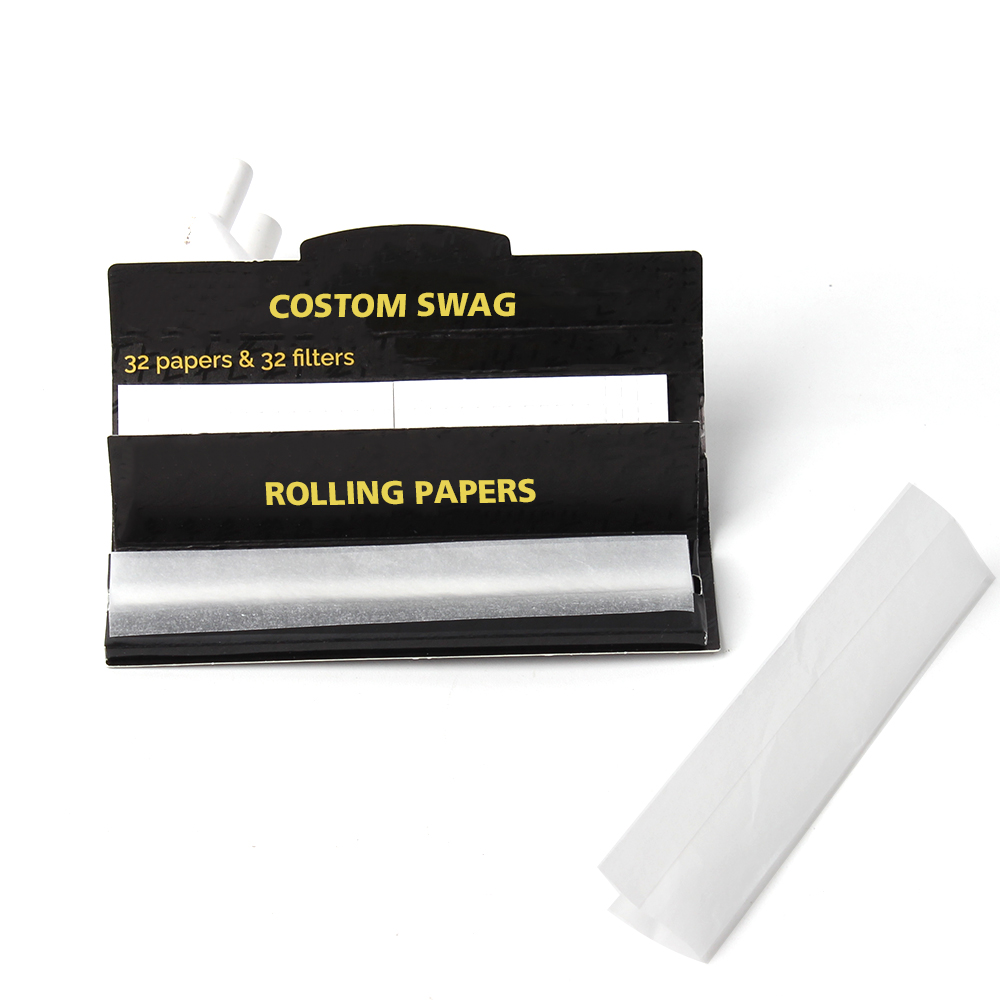
Precision in manufacturing directly impacts product quality, consumer satisfaction, and regulatory compliance. Pre-roll cones with filter tips represent a specialized product category where dimensional tolerances become critical to functionality and market acceptance. Understanding the specific measurements, allowable variances, and quality benchmarks for these products ensures manufacturers and suppliers meet industry expectations and deliver consistent, reliable results to their customers.

Dimensional tolerance standards for pre-rolled cones govern external diameter, internal cavity depth, wall thickness, tip integration geometry, and material consistency. These specifications are not arbitrary but emerge from practical usage requirements, equipment compatibility, and the consumer experience. When manufacturers establish clear tolerances for king size cones with tip configurations, they create a foundation for quality assurance, production efficiency, and brand reputation that resonates throughout the supply chain.
The outer diameter of pre roll cones with filter tips must maintain strict tolerances because this dimension directly affects packaging, storage, and consumer handling. Standard king size cones with tip typically range from 21 to 26 millimeters in external diameter, depending on design intent and market segment. Manufacturers typically allow a tolerance variance of plus or minus 0.5 millimeters for external diameter, ensuring cones fit standard rolling machines, storage containers, and packaging solutions without binding or excessive looseness. Conical tubes achieve their characteristic shape through precise taper ratios, usually between 8 and 12 degrees, which must remain consistent across production batches to guarantee uniformity.
Internal cavity depth determines product capacity and directly influences consumer satisfaction and market competitiveness. Pre-rolled cones typically maintain cavity depths ranging from 70 to 90 millimeters for king size cones with tip, with manufacturing tolerances of plus or minus 1.0 millimeters being standard industry practice. This specification is crucial because insufficient depth reduces usable capacity, while excessive depth creates structural weakness and difficult manufacturing conditions. Wall thickness uniformity throughout the conical body must typically maintain tolerances of plus or minus 0.15 millimeters to ensure consistent burn rates, structural integrity, and product performance across the entire production run.
The filter tip represents a critical integration point where pre roll cones with filter tips meet functional requirements and consumer expectations. Standard filter tips for king size cones with tip configurations typically measure 8 to 12 millimeters in external diameter, with tight tolerances of plus or minus 0.3 millimeters because this dimension directly affects airflow, structural stability, and consumer experience. The attachment interface where the tip connects to the cone body must maintain perpendicularity within 0.5 millimeters across the entire seating surface to prevent air leaks and ensure proper functionality. Adhesive bond strength between the tip and cone body requires consistent surface preparation and dimensional accuracy to achieve reliable assembly without defects.
Conical tubes designed with integrated tips must maintain specific dimensional relationships to prevent gaps, leaks, or misalignment during consumer use. The internal bore diameter at the tip insertion point typically maintains tolerances of minus 0.1 to plus 0.2 millimeters relative to the external tip diameter, creating controlled interference that ensures secure mechanical bonding without forcing or stress concentration. These tight specifications prevent tip rotation, separation during storage, or performance degradation that could undermine brand reputation and consumer loyalty. Pre-rolled cones featuring carefully engineered dimensional relationships deliver superior product quality and justify premium positioning in competitive markets.
Manufacturing facilities producing Pre-Roll Cones with Filter Tips employ precision measurement tools including digital calipers, micrometers, and automated vision systems to verify critical dimensions. Production control typically involves measuring every twentieth unit from the production line, establishing a reasonable statistical sampling approach that identifies drift before significant defects occur. King size cones with tip require verification of multiple dimensions simultaneously—external diameter, internal depth, wall thickness, and tip integration geometry—to ensure comprehensive quality assurance rather than checking isolated parameters. Advanced facilities implement real-time feedback systems that adjust machinery automatically when measurements approach tolerance limits, preventing defect propagation and reducing scrap rates substantially.
Dimensional accuracy for conical tubes must be documented and traced to specific production batches, lot numbers, and manufacturing dates to support quality investigations and maintain regulatory compliance. Testing protocols typically include destructive sampling where every batch processes a small sample through functional testing—measuring actual volume capacity, testing tip adhesion strength, and evaluating sealing integrity through pressure testing. Non-destructive testing methods utilizing automated vision systems scan surface geometry, wall thickness uniformity, and geometric consistency without damaging products. Documentation systems record measurement data, tolerance conformance percentages, and corrective actions, creating an audit trail that supports continuous improvement initiatives and customer confidence in product consistency.
Dimensional tolerance standards for pre-rolled cones derive from industry best practices, consumer expectations, and regional regulatory requirements that vary by jurisdiction. Organizations developing industry specifications establish measurement methodologies, acceptable tolerance ranges, and performance benchmarks that manufacturers adopt to ensure market compatibility and customer satisfaction. King size cones with tip must comply with material safety regulations, consumer protection standards, and packaging requirements specific to each market. Pre-rolled cones manufactured for international distribution may require dual certification or modified specifications to accommodate regional standards, necessitating production flexibility and dimensional precision across multiple tolerance frameworks.
Beyond dimensional accuracy, conical tubes must pass functional performance tests that confirm dimensional specifications translate to real-world reliability and consumer satisfaction. Burn rate testing validates that wall thickness uniformity creates consistent consumption patterns throughout product use. Airflow resistance measurement confirms that internal cavity dimensions and tip integration geometry produce acceptable draw characteristics. Tip retention testing verifies that dimensional interference specifications prevent separation during normal handling, storage, and use. These performance validations bridge dimensional specifications and consumer experience, ensuring that precise manufacturing translates to superior product quality and market success.
Standard pre-roll cones with filter tips typically maintain external diameter tolerances of plus or minus 0.5 millimeters, internal cavity depth tolerances of plus or minus 1.0 millimeters, and wall thickness tolerances of plus or minus 0.15 millimeters. Filter tip diameter tolerances usually range from plus or minus 0.3 millimeters, with tip-to-body attachment interface tolerances of plus or minus 0.5 millimeters for perpendicularity. These specifications ensure reliable functionality, consumer satisfaction, and market compatibility across production batches and manufacturing facilities.
Dimensional tolerances directly influence king size cones with tip performance by affecting burn rate consistency, airflow resistance, tip retention reliability, and overall consumer experience. Inconsistent internal cavity depth creates variable product capacity and reduces consumer satisfaction. Poor wall thickness uniformity produces uneven burn rates that frustrate users and damage brand reputation. Inadequate tip adhesion specifications cause separation and leakage, creating product returns and negative feedback. Precise dimensional control ensures that every pre-rolled cone performs reliably and meets consumer expectations consistently.
Conical tubes require precise dimensional specifications because the tapered geometry magnifies the impact of small dimensional variations across the product length. A 0.1 millimeter deviation in taper angle creates measurably different diameters at different points along the cone, affecting fit, function, and aesthetics. The integration of filter tips at the narrow end of the cone creates a complex assembly where multiple tolerances must work together harmoniously. Precise specifications ensure that manufacturing processes produce consistent products, that equipment compatibility remains reliable, and that consumer experience remains predictable across millions of units produced and distributed globally.