EN
EN

evaluating-cardboard-stiffness-for-heavyduty-custom-filter-tips, evaluating-cardboard-stiffness-for-heavyduty-custom-filter-tips, /news
EN
2026/09/29
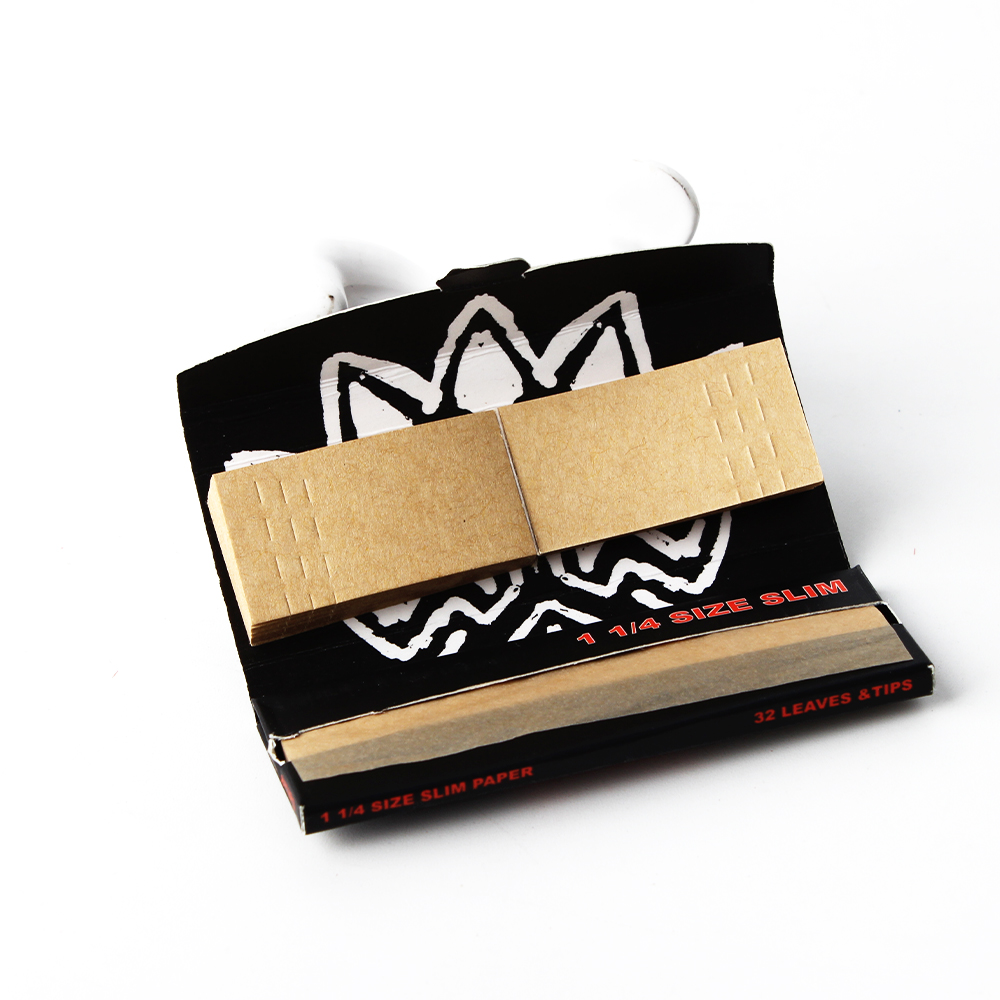
Heavy-duty applications demand materials that perform under pressure, and custom filters represent one of the most critical components in filtration systems across industrial and consumer markets. The structural integrity of your custom filters depends significantly on the cardboard stiffness you select, which directly influences durability, performance, and user satisfaction. Understanding how to evaluate cardboard stiffness ensures your custom filters maintain shape, resist deformation, and deliver consistent results throughout their operational lifespan.
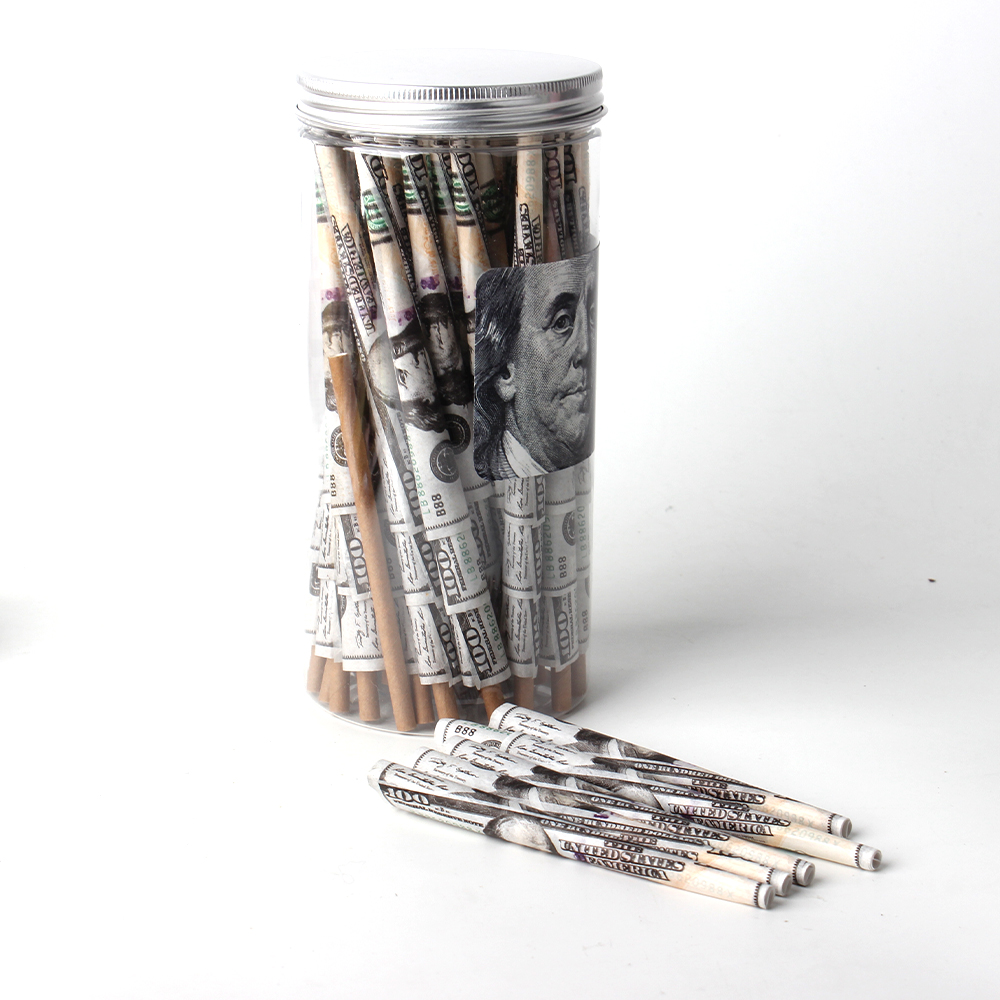
The relationship between material stiffness and filter performance extends beyond simple durability metrics. When manufacturers develop custom filters, they must balance structural strength with functional requirements such as filtration efficiency, flow rate, and user comfort. Rigid paper composition, thickness, and caliper rating all contribute to the overall stiffness profile that determines whether your cardboard tips will perform reliably under real-world conditions. This article explores the key evaluation factors that ensure your custom filters meet heavy-duty performance standards.
Cardboard stiffness refers to the material's resistance to bending, compression, and deformation under applied force. In filtration contexts, stiffness is measured through parameters such as bending strength, burst strength, and caliper thickness. Rigid paper used in cardboard tips must maintain its structural shape during manufacturing, handling, storage, and use. A filter tip with insufficient stiffness may collapse, tear, or lose its dimensional accuracy, compromising both filtration performance and the user experience. Heavy-duty applications specifically require higher stiffness ratings because filters encounter repeated pressure cycles, temperature fluctuations, and mechanical stress that weaker materials cannot withstand.
Heavy-duty custom filters operate in demanding environments where performance cannot degrade. Industrial filtration systems, specialized consumer products, and branded accessories all benefit from cardboard with superior stiffness characteristics. When rigid paper maintains its dimensional stability, it prevents premature filter collapse, reduces replacement frequency, and minimizes system downtime. Stiffness also influences manufacturing efficiency because materials with appropriate stiffness can be processed at higher speeds without jamming, tearing, or misalignment. For branded accessories particularly, consistent stiffness ensures uniform quality across production batches, protecting brand reputation and customer loyalty. Underestimating stiffness requirements leads to field failures, warranty claims, and reputational damage that far exceed the initial material cost savings.
Evaluating cardboard tips requires familiarity with industry-standard testing methods. Bending stiffness is typically measured using Taber stiffness testing or similar mechanical evaluation protocols that quantify resistance to bending. Caliper thickness, expressed in millimeters or points, indicates the material's physical dimension and correlates directly with structural rigidity. Burst strength measurements reveal how much pressure the cardboard can withstand before rupturing, which is critical for custom filters under compression. Tensile strength indicates the maximum stress the material can endure along its length without tearing. Ring crush strength specifically measures the cardboard's ability to resist crushing forces applied radially, making it particularly relevant for filter tips that may experience stacking pressure or external pressure in use. Understanding these standards enables informed decision-making when specifying materials for your custom filters.
Rigid paper selection depends on application-specific requirements and performance thresholds. For light-duty applications, cardboard tips with caliper ratings between 0.8 and 1.2 millimeters may suffice, but heavy-duty custom filters typically require 1.5 to 2.5 millimeter caliper minimums. The basis weight of the paper, measured in grams per square meter (GSM), directly influences stiffness; heavier papers naturally offer greater rigidity and resistance to deformation. Multi-ply construction, where several paper layers are bonded together, enhances stiffness beyond what single-ply materials can achieve at equivalent thickness. Coated papers may provide enhanced stiffness through special resin treatments, while uncoated options offer cost advantages when stiffness requirements are moderate. For branded accessories where aesthetic appeal matters alongside performance, the finish and texture of the rigid paper also influence customer perception and satisfaction. Evaluating these factors comprehensively ensures your cardboard tips perform reliably while meeting cost and quality objectives.
Before committing to full production, custom filters should undergo rigorous stiffness validation. Prototype testing using representative samples reveals whether the selected rigid paper truly meets performance requirements under simulated operational conditions. Accelerated aging tests, temperature cycling, and humidity exposure testing simulate long-term environmental stresses that filter tips may encounter during storage and use. Functional testing with actual filtration equipment identifies whether stiffness specifications translate to real-world performance improvements. Statistical quality control processes, including regular sampling and measurement of production batches, ensure consistency throughout manufacturing runs. Documentation of test results and stiffness measurements creates an audit trail that demonstrates compliance with specifications and supports continuous improvement initiatives. Rigorous validation prevents costly production failures and ensures your custom filters maintain promised performance standards.
Cardboard stiffness directly influences manufacturing feasibility and cost structure. Materials with optimal stiffness can be cut, folded, and wound without jamming or misalignment, reducing waste and improving throughput. Overly stiff cardboard tips may require specialized equipment modifications or slower processing speeds, increasing production costs and limiting flexibility. Conversely, insufficiently stiff materials may require rework or rejection, also raising per-unit costs. Integration with assembly equipment requires that the selected rigid paper performs predictably during feeding, positioning, and attachment operations. For custom filters incorporating adhesives, coatings, or additional components, the base cardboard stiffness must remain adequate after these additions. Collaboration between material engineers and manufacturing teams ensures that stiffness specifications translate seamlessly into efficient production processes. Understanding these trade-offs enables selection of cardboard that balances performance, manufacturability, and cost-effectiveness for branded accessories and custom filters.
Heavy-duty applications typically require cardboard tips with caliper thickness between 1.5 and 2.5 millimeters, depending on the specific pressure conditions and performance requirements. Starting at 1.5 millimeters for moderately demanding applications and increasing to 2.5 millimeters for extreme conditions ensures adequate stiffness margins. Testing with your specific equipment and use conditions validates whether a particular caliper rating meets your performance standards.
Rigid paper composition influences stiffness, porosity, and fluid flow characteristics simultaneously. Higher-quality, multi-ply rigid paper provides superior stiffness while maintaining appropriate porosity for filtration. Some papers include resin coatings that enhance stiffness without significantly restricting flow. The composition choice depends on balancing structural needs with the filtration efficiency and flow rate requirements of your specific custom filters application.
Yes, branded accessories particularly benefit from rigorous stiffness evaluation because consistent quality directly impacts brand perception and customer loyalty. Advanced testing protocols ensure that every batch of cardboard tips meets specifications, preventing performance variations that damage brand reputation. Superior stiffness evaluation demonstrates commitment to quality and differentiates branded accessories in competitive markets.