EN
EN

evaluating-ecofriendly-inks-used-for-printing-custom-rolling-papers, evaluating-ecofriendly-inks-used-for-printing-custom-rolling-papers, /news
EN
2026/08/26
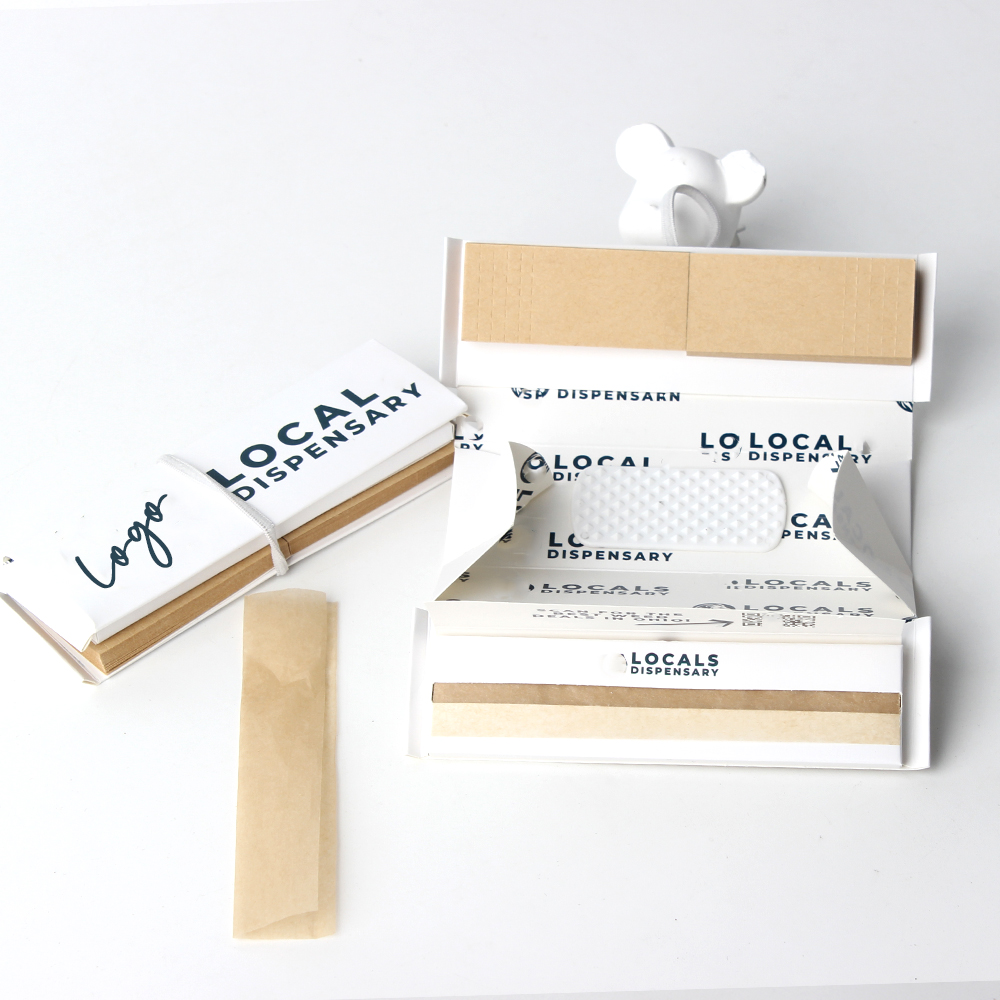
Choosing the right ink for custom rolling papers involves more than selecting vivid colors and sharp printing. The environmental impact of inks used in manufacturing directly affects product quality, consumer perception, and regulatory compliance. Eco-friendly inks represent a critical shift in how the rolling paper industry addresses sustainability concerns while maintaining performance standards that meet end-user expectations.
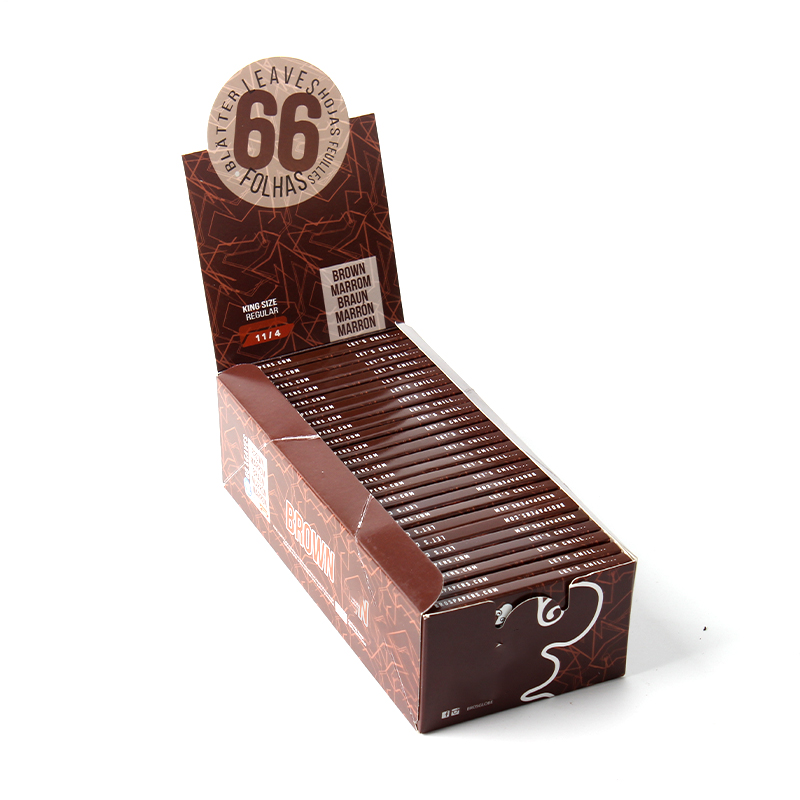
The printing industry traditionally relied on petroleum-based inks that posed environmental risks during production, application, and disposal. Modern manufacturers of custom rolling papers increasingly adopt green printing technologies that reduce volatile organic compounds, minimize waste, and support sustainable material sourcing. Understanding these ink options helps businesses make informed decisions that align product quality with environmental responsibility and market demand for greener alternatives.
Eco paper used for custom rolling papers must meet specific composition standards that verify sustainable sourcing and responsible forestry practices. Sustainable material certifications like FSC and PEFC demonstrate that pulp originates from responsibly managed forests or recycled sources rather than virgin timber harvesting. The substrate itself influences ink absorption, drying time, and overall printing quality, making material selection foundational to achieving both environmental and performance goals.
Custom rolling papers manufactured with eco paper require inks that bond effectively without penetrating excessively or leaving uneven coverage. Sustainable material substrates often have different surface characteristics than conventional papers, necessitating ink formulations specifically optimized for reduced environmental impact. This compatibility ensures that green printing initiatives do not compromise the visual appeal or functionality that consumers expect from premium custom rolling papers.
Green printing inks use plant-based, soy-derived, or bio-synthetic compounds instead of traditional petroleum distillates, reducing environmental footprint throughout the product lifecycle. These formulations maintain color vibrancy, dry quickly on eco paper, and exhibit resistance to smudging and fading comparable to conventional inks. Testing ink performance on specific sustainable material types ensures that custom rolling papers deliver consistent results while meeting environmental objectives outlined in corporate sustainability programs.
The chemistry of green printing inks also influences downstream handling and end-of-life management of custom rolling papers. Water-based and soy-based ink systems reduce air emissions during production, lower occupational health risks for manufacturing workers, and simplify waste processing when printed materials reach recycling streams. Evaluating these performance metrics helps manufacturers select inks that genuinely support environmental goals rather than merely adopting greenwashing labels.
Offset printing remains the dominant technology for high-volume custom rolling papers production, and green printing adaptations have made significant advances in this traditional method. Eco-friendly ink systems designed for offset presses reduce water waste in dampening systems and minimize solvent emissions during cleanup and color changes. For manufacturers prioritizing sustainable material use alongside eco paper substrates, offset green printing delivers cost efficiency and quality consistency on large production runs.
Digital printing of custom rolling papers offers flexibility for small batches, rapid prototyping, and personalization without sacrificing environmental standards. Green printing inks formulated for digital systems often contain lower volatile organic compound levels and require minimal setup waste compared to conventional digital production methods. This technology proves particularly valuable for brands testing new designs or managing inventory of custom rolling papers with rotating artwork and branding elements.
Implementing green printing for custom rolling papers extends beyond ink selection to encompass complete process redesign that minimizes waste at every production stage. Sustainable material handling, optimized ink coverage formulas, and efficient substrate cutting techniques reduce paper waste, solvent usage, and energy consumption. Manufacturers integrating these practices report improved operational efficiency alongside measurable environmental benefits that appeal to conscious consumers and align with corporate responsibility commitments.
Quality control systems specific to green printing on eco paper ensure that sustainability initiatives do not introduce defects or inconsistencies in custom rolling papers. Regular testing of ink adhesion, color accuracy, and durability under storage conditions validates that environmental improvements translate to reliable end-product performance. This systematic approach protects brand reputation while demonstrating genuine commitment to sustainable material sourcing and green printing practices.
Regulatory frameworks increasingly mandate reduced chemical use, waste minimization, and sustainable material sourcing across printing industries, directly affecting custom rolling papers manufacturers. Compliance requirements in multiple markets drive adoption of green printing inks that meet local environmental standards without requiring product redesign or market-specific production runs. Choosing eco-friendly inks proactively positions manufacturers ahead of tightening regulations while building brand credibility with environmentally conscious consumers.
Industry standards organizations have established testing protocols and certification criteria that validate green printing effectiveness and sustainable material authenticity in custom rolling papers. Meeting these standards provides transparent verification that environmental claims reflect genuine practices rather than superficial marketing adjustments. Manufacturers communicating these certifications build consumer trust and differentiate products in competitive markets where environmental positioning influences purchasing decisions.
Market research indicates that consumers increasingly prioritize environmental sustainability when selecting custom rolling papers, particularly among younger demographics and ethically conscious buyers. Brands featuring eco paper, green printing, and sustainable material sourcing communicate alignment with consumer values while justifying potential price premiums associated with responsible production methods. This preference creates competitive advantage for manufacturers investing in authentic environmental improvements rather than merely adopting green labeling.
Transparent communication about specific ink formulations, sustainable material certifications, and green printing technologies strengthens consumer confidence and builds brand loyalty. Custom rolling papers marketed with detailed environmental credentials attract retailers seeking premium inventory that appeals to sustainability-focused consumers. This market segment expansion rewards manufacturers committed to genuine eco-friendly practices while establishing barriers against competitors relying solely on conventional production methods.
Eco paper and sustainable material reduce environmental impact through responsible forestry practices, recycled content, and lower carbon footprint during production. Custom rolling papers manufactured on these substrates appeal to environmentally conscious consumers, support regulatory compliance, and often maintain comparable performance characteristics to conventional papers. Green printing inks bond effectively with sustainable material surfaces, delivering quality results while reinforcing brand commitment to environmental responsibility.
Green printing technologies have matured significantly, reducing cost premiums and eliminating production delays compared to early adoption phases. Many manufacturers find that eco-friendly ink systems offer comparable pricing to conventional inks when accounting for waste reduction and efficiency improvements throughout the process. Custom rolling papers production timelines remain consistent with traditional methods, allowing brands to transition toward sustainable practices without supply chain disruption or inventory complications.
Multiple certifications validate green printing and sustainable material standards, including FSC and PEFC for substrate sourcing, and third-party environmental certifications for ink formulations. Custom rolling papers manufacturers can communicate these credentials to consumers, retailers, and regulatory bodies as proof of authentic environmental commitment. Selecting inks and materials backed by recognized standards provides assurance that sustainability claims reflect genuine practices rather than greenwashing tactics.