EN
EN

evaluating-fiber-strength-in-unbleached-custom-filter-materials, evaluating-fiber-strength-in-unbleached-custom-filter-materials, /news
EN
2026/09/23
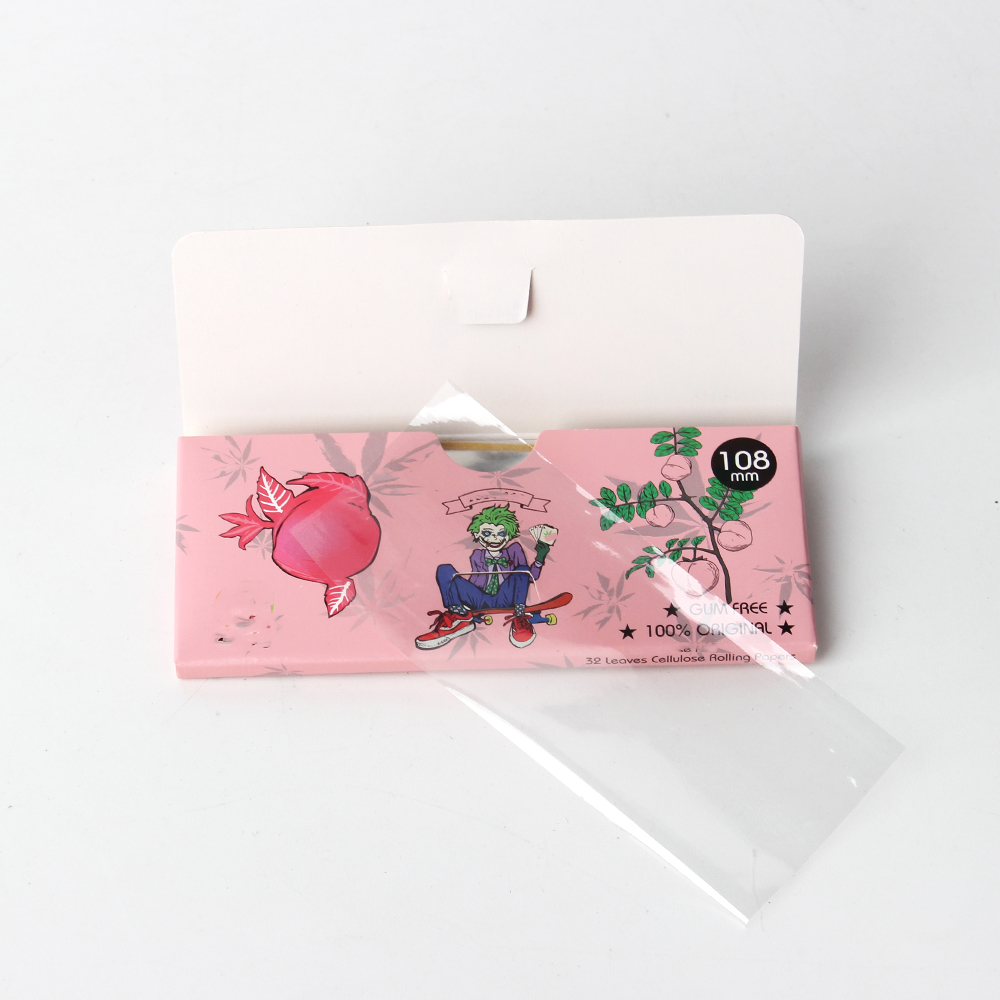
Evaluating fiber strength in unbleached custom filters requires a deep understanding of material composition, manufacturing standards, and performance expectations. When selecting custom filters for specialized applications, fiber strength directly impacts durability, efficiency, and cost-effectiveness. Understanding how to assess the quality of natural paper materials used in filter construction ensures you make informed purchasing decisions that align with your operational needs and sustainability goals.
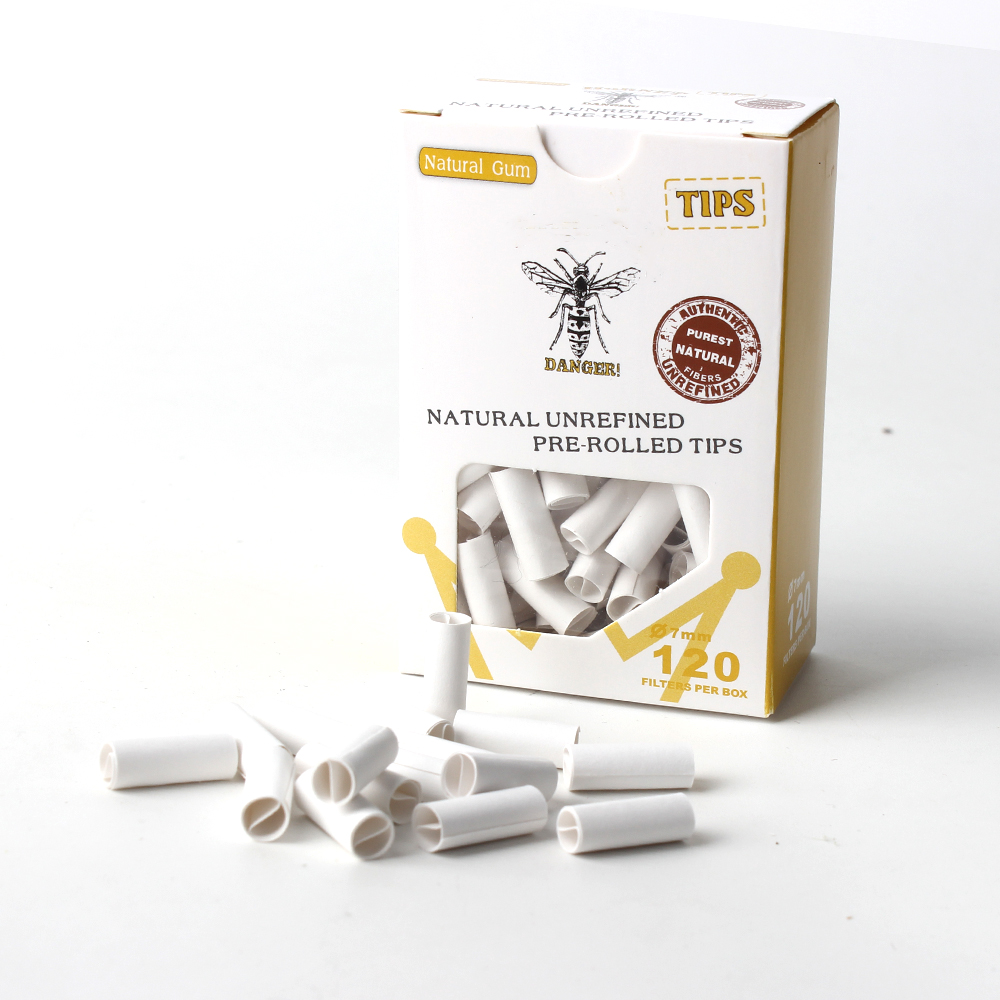
The demand for unbleached tips and chlorine free filters has grown significantly across industries seeking environmentally responsible solutions. Unbleached materials retain their natural cellulose structure, which can offer distinct advantages in fiber integrity and performance characteristics. This guide explores the critical factors involved in evaluating fiber strength within unbleached custom filters, helping you understand material specifications, testing methodologies, and practical applications.
Natural paper used in custom filters derives its strength from cellulose fibers arranged in a specific matrix structure. Unbleached materials maintain higher lignin content, which contributes to fiber rigidity and resistance to mechanical stress. The molecular bonding within cellulose chains determines how the material responds to tension, pressure, and chemical exposure. When evaluating custom filters constructed from natural paper, examining the fiber length and bonding density reveals fundamental strength characteristics.
Different pulping methods affect fiber properties significantly. Mechanical pulping preserves longer fibers compared to chemical processes, while chlorine free filters typically employ oxygen bleaching or hydrogen peroxide treatments that minimize fiber degradation. The relationship between processing methods and resulting fiber strength directly influences the performance of your custom filters in demanding applications.
Bleached materials undergo chemical whitening that can reduce fiber strength by up to fifteen percent, while unbleached tips maintain maximum fiber integrity. Chlorine free filters eliminate harsh chemical exposure, preserving the natural resilience of cellulose structures. This distinction matters considerably when custom filters must withstand high-pressure conditions or extended operational periods. Understanding these differences helps you select materials that genuinely meet your performance requirements.
The trade-off between whiteness and strength shapes material selection decisions. Industries requiring white filtration media must accept some strength reduction, while applications prioritizing durability benefit from the enhanced fiber characteristics found in unbleached custom filters. Natural paper maintains superior tear resistance and burst strength when bleaching chemicals are avoided.
Burst strength testing measures how much pressure a filter material can withstand before rupturing, a critical specification for custom filters operating under variable flow conditions. Tensile testing evaluates the resistance to linear pulling force applied perpendicular to the material surface. These standardized measurements, typically expressed in pounds per square inch or kilopascals, provide quantifiable data for comparing different materials objectively. Natural paper exhibits distinct performance characteristics that differ from synthetic alternatives, making proper testing essential.
Unbleached tips and chlorine free filters often demonstrate superior performance in these tests compared to heavily processed alternatives. The retention of natural fiber bonding mechanisms contributes to better tear resistance and consistent performance across multiple filtration cycles. When evaluating custom filters for purchase or specification, requesting certified test data ensures material meets your operational parameters.
Porosity measurements determine how effectively custom filters balance flow rate with particulate capture efficiency. Higher fiber density generally correlates with increased strength but may reduce permeability. The relationship between porosity and fiber strength in natural paper presents engineering trade-offs that require careful evaluation. Unbleached materials with properly aligned fiber networks achieve optimal combinations of both properties.
Thickness measurements and basis weight specifications help predict filter longevity and maintenance intervals. Chlorine free filters manufactured with consistent fiber distribution demonstrate more predictable performance than materials with variable density patterns. Understanding how porosity relates to underlying fiber strength prevents specification errors that could compromise equipment performance or safety.
Different industrial applications demand varying levels of fiber strength in custom filters. Food and beverage processing often prioritizes natural paper materials for compatibility and purity. Environmental applications benefit from unbleached tips that provide reliable performance without introducing chemical residues. Pharmaceutical filtration requires custom filters meeting stringent purity standards that chlorine free filters consistently deliver. Understanding your specific industry's requirements prevents costly specification mismatches.
Applications involving aggressive solvents or elevated temperatures place greater demands on fiber strength. Natural paper composition in unbleached custom filters generally tolerates organic solvents better than synthetic materials. When evaluating potential suppliers, requesting application-specific performance data from comparable installations provides valuable perspective on suitability and longevity.
Custom filters manufactured from natural paper typically cost more initially than synthetic alternatives, but often deliver superior total cost of ownership through extended service life. Unbleached materials avoid expensive chemical processing, reducing manufacturing costs that sometimes offset their performance premiums. Chlorine free filters appeal to organizations implementing sustainability initiatives while maintaining operational reliability.
Evaluating fiber strength enables accurate estimation of replacement intervals and long-term budget requirements. Higher-strength materials may justify premium pricing through reduced downtime, fewer maintenance interventions, and improved equipment protection. The connection between fiber strength and economic performance extends beyond purchase price to encompass operational efficiency across the filter's complete lifecycle.
Unbleached natural paper avoids harsh chemical treatments that damage cellulose fiber structures, preserving the molecular bonding that provides tensile and burst strength. Bleaching processes, particularly those using chlorine, degrade fiber walls and reduce overall material resilience. Custom filters made from unbleached materials retain the complete fiber matrix that untreated pulp provides, resulting in consistently superior performance under mechanical stress.
Request ISO 2409 burst strength testing, ISO 1924 tensile strength evaluation, and porosity measurements according to ISO 4538 standards. These internationally recognized tests provide comparable data across different suppliers and material sources. Custom filters should include certified test reports demonstrating performance against relevant standards for your specific application. Natural paper performance under these tests typically exceeds synthetic alternatives, particularly for chlorine free filters.
Chlorine free filters eliminate caustic chemical exposure that weakens fiber structures and leaves residual compounds affecting performance. Unbleached tips and natural paper avoid these degradation mechanisms entirely, resulting in cleaner materials with stronger fiber bonding. The absence of chlorine residues also benefits downstream processes and aligns with regulatory requirements in sensitive industries, making chlorine free filters an increasingly practical choice for custom filters across diverse applications.