EN
EN

evaluating-natural-gum-strip-performance-on-unbleached-rolling-papers, evaluating-natural-gum-strip-performance-on-unbleached-rolling-papers, /news
EN
2026/08/19
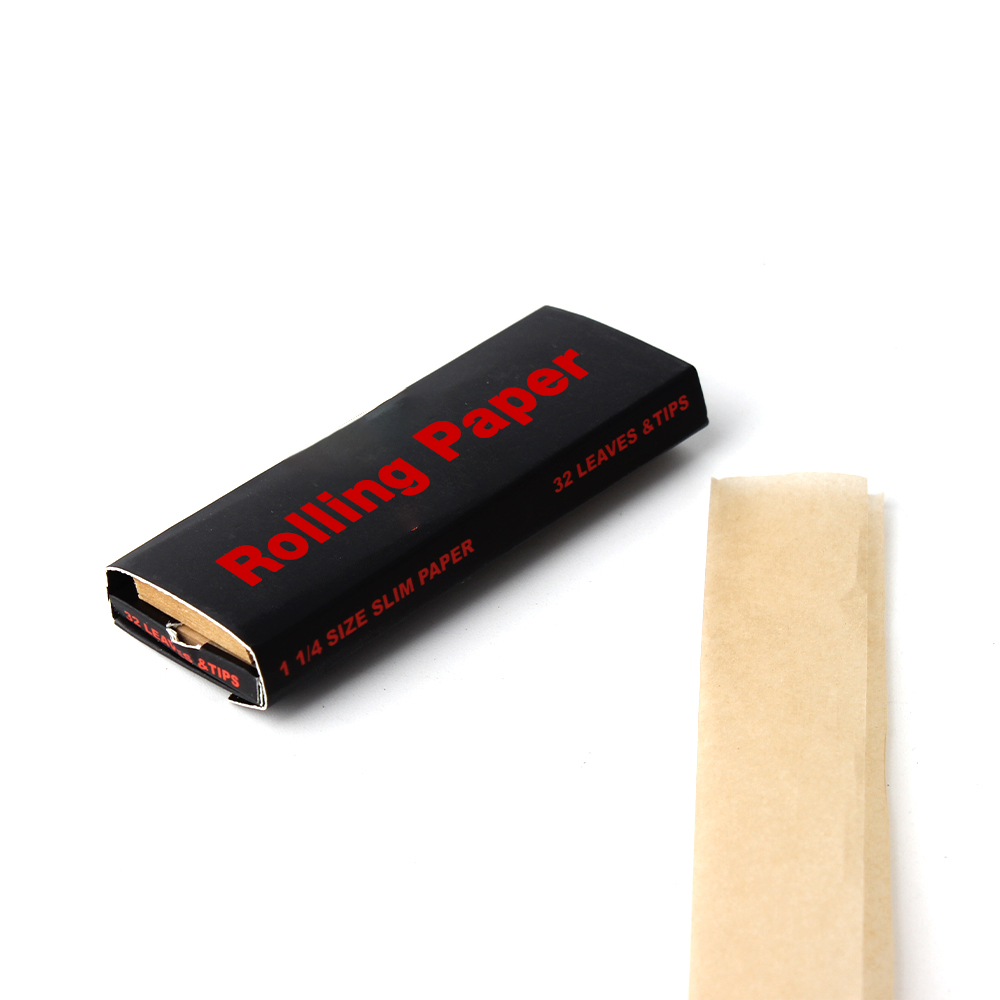
Understanding the performance characteristics of natural gum strips on unbleached rolling papers is essential for manufacturers and end-users seeking quality smoking products. The interaction between natural adhesive formulations and unbleached paper substrates directly impacts the user experience, from ease of use to burn consistency. This comprehensive guide examines how gummed unbleached paper performs with natural gum strip technology, exploring the technical aspects that matter most in the rolling paper industry.
Natural gum adhesive strips represent a significant advancement in rolling paper manufacturing, particularly for brands committed to clean, sustainable products. When applied to unbleached rolling papers, these natural formulations create a reliable sealing mechanism while maintaining the product's integrity and consumer appeal. The performance of these gummed systems depends on multiple factors including gum composition, paper porosity, humidity control, and storage conditions.
The foundation of effective natural adhesive paper performance begins with selecting appropriate gum formulations. Natural gum arabic remains the industry standard for creating natural adhesive paper due to its consistent activation properties and neutral taste profile. This organic material dissolves readily when moistened, providing quick and reliable sealing without chemical residues or unwanted flavors that might compromise the smoking experience.
Gummed unbleached paper requires gum formulations that bond effectively to natural fiber surfaces. Unlike bleached alternatives, unbleached fibers present unique absorption characteristics that demand specifically engineered adhesive systems. Manufacturers must balance gum viscosity, moisture content, and application thickness to ensure optimal performance on slow burn paper substrates.
The compatibility between natural adhesive formulations and unbleached rolling papers determines overall product reliability. Unbleached fibers retain natural lignin and cellulose structures that interact differently with gum compounds than processed bleached fibers. Understanding these interactions ensures that gummed unbleached paper maintains consistent seal strength while preserving the clean, natural aesthetic that consumers value.
Proper integration requires careful moisture management during manufacturing. Unbleached rolling papers tend to absorb environmental moisture more readily than bleached alternatives, which can affect how natural adhesive paper performs. Manufacturers must implement controlled humidity environments during gum application and drying stages to ensure consistent results across production batches.
Slow burn paper performance depends significantly on the interaction between natural gum strips and the unbleached substrate. The fiber structure of unbleached rolling papers naturally promotes even combustion rates, complemented by the minimal additives in natural adhesive systems. This combination creates predictable slow burn characteristics that appeal to consumers seeking extended, controlled consumption experiences.
Natural gum strips contribute to consistent burn rates by avoiding the chemical accelerants or retardants found in synthetic adhesives. When applied correctly to gummed unbleached paper, natural formulations maintain structural integrity throughout the burning process, preventing uneven burn lines or unintended separation that can disrupt the user experience. Field testing consistently demonstrates that slow burn paper with natural adhesive systems maintains superior performance across various environmental conditions.
The unbleached rolling papers' natural moisture absorption properties complement natural adhesive paper systems that rely on subtle humidity levels for optimal activation. Unlike synthetic gums that remain rigid, natural adhesive formulations maintain slight moisture sensitivity that ensures reliable sealing when needed while resisting premature activation during storage. This balanced moisture dynamic extends shelf life and ensures consistent gummed unbleached paper performance over time.
Storage conditions directly influence how well natural gum strips perform on slow burn paper. Humidity levels between 45 and 55 percent optimize the performance of natural adhesive paper products, preventing over-drying that could reduce seal strength or excessive moisture absorption that might activate gum unintentionally. Manufacturers who maintain these conditions report superior consistency in gummed unbleached paper quality metrics.
Evaluating natural adhesive paper performance requires rigorous testing of seal strength, activation consistency, and failure resistance under real-world conditions. Manufacturers typically conduct peel-strength tests to measure adhesive effectiveness on unbleached rolling papers, ensuring that gummed unbleached paper meets industry standards for reliable sealing. These tests validate that natural gum strips create secure seals without excessive thickness or visible residue that might affect the smoking experience.
Reliability testing for slow burn paper with natural adhesive systems must account for temperature variations, humidity fluctuations, and handling stresses encountered during distribution and consumer use. Unbleached rolling papers with natural gum strips should maintain consistent seal strength across these variables, demonstrating genuine quality rather than laboratory performance that fails in practical scenarios.
User experience with gummed unbleached paper extends beyond functional performance to sensory factors including taste, aroma, and ease of use. Natural adhesive paper products must activate smoothly without unpleasant flavors or chemical aftertastes that would detract from the primary product experience. Consumers increasingly recognize and prefer the cleaner profile of unbleached rolling papers with natural gum strips compared to alternatives containing synthetic adhesives or chemical additives.
The tactile experience of handling natural adhesive paper matters significantly to end-users who value product quality. Slow burn paper manufactured with careful attention to gum application consistency provides satisfying handling characteristics and visible quality indicators that reinforce brand reputation and consumer loyalty.
Natural adhesive systems offer cleaner taste profiles, reduced chemical residue, and better compatibility with unbleached fiber structures compared to synthetic alternatives. Gummed unbleached paper with natural gum strips delivers more consistent performance while aligning with consumer preferences for organic, minimal-additive products. The natural formulation works synergistically with the unbleached substrate's inherent properties, creating superior results across most performance metrics.
Maintaining humidity levels between 45 and 55 percent and temperatures between 65 and 75 degrees Fahrenheit ensures optimal natural adhesive paper performance. Unbleached rolling papers should be stored away from direct sunlight and temperature extremes that might degrade the natural gum strips or compromise the substrate quality. Proper packaging materials that protect against moisture ingress without creating excessive humidity also contribute to maintaining slow burn paper integrity throughout the product lifecycle.
Natural adhesive paper formulations require calibration based on specific unbleached rolling papers thicknesses and fiber densities to ensure consistent seal strength. Thinner papers may require lighter gum applications, while heavier unbleached substrates benefit from slightly increased adhesive coverage. Manufacturers must test their specific gummed unbleached paper combinations to verify that natural gum strips deliver reliable performance across their product range, particularly if slow burn paper specifications vary.