EN
EN

evaluating-pulp-quality-and-raw-material-selection-in-ecofriendly-cones, evaluating-pulp-quality-and-raw-material-selection-in-ecofriendly-cones, /news
EN
2026/09/03
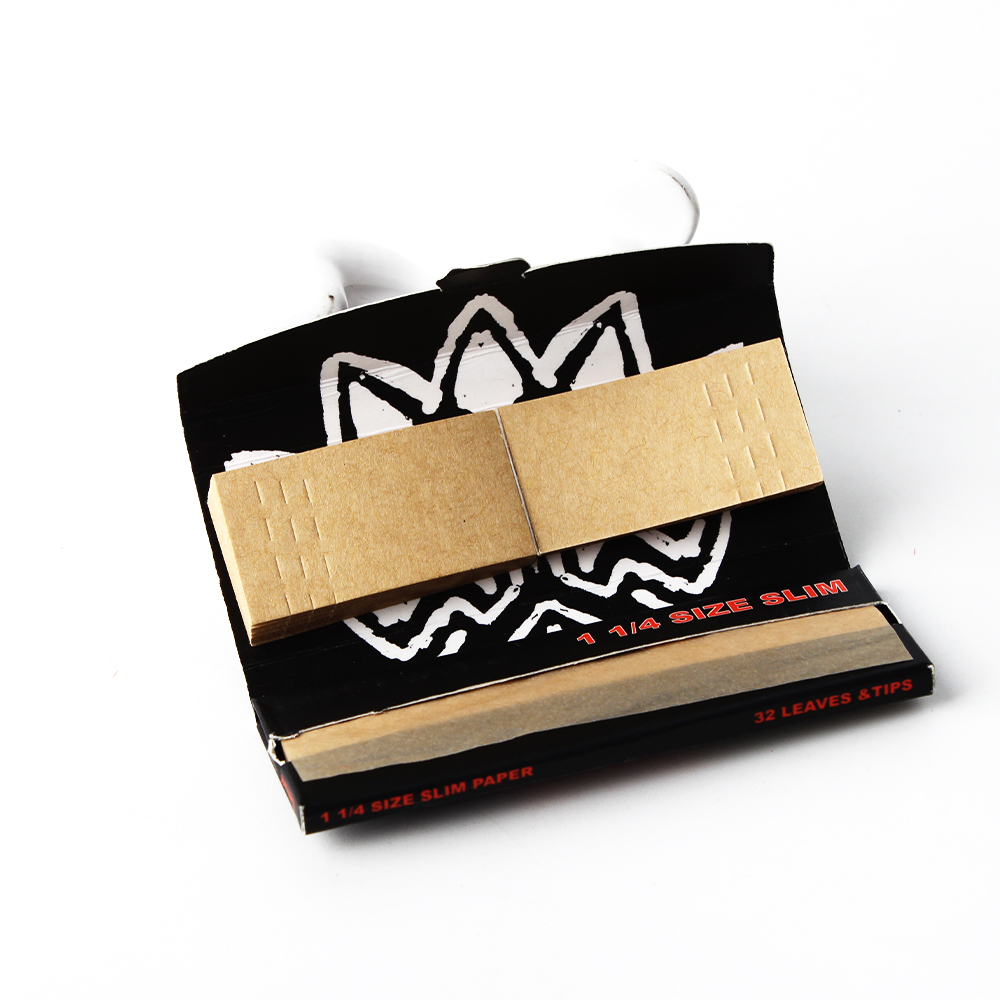
The quality of pre-rolled cones depends fundamentally on the pulp composition and raw material selection process. As consumer demand for sustainable products continues to grow, manufacturers must navigate the complex landscape of eco-friendly material sourcing while maintaining product performance and consistency. Understanding pulp quality metrics and sustainable material options is essential for producing cones that meet both environmental standards and consumer expectations.
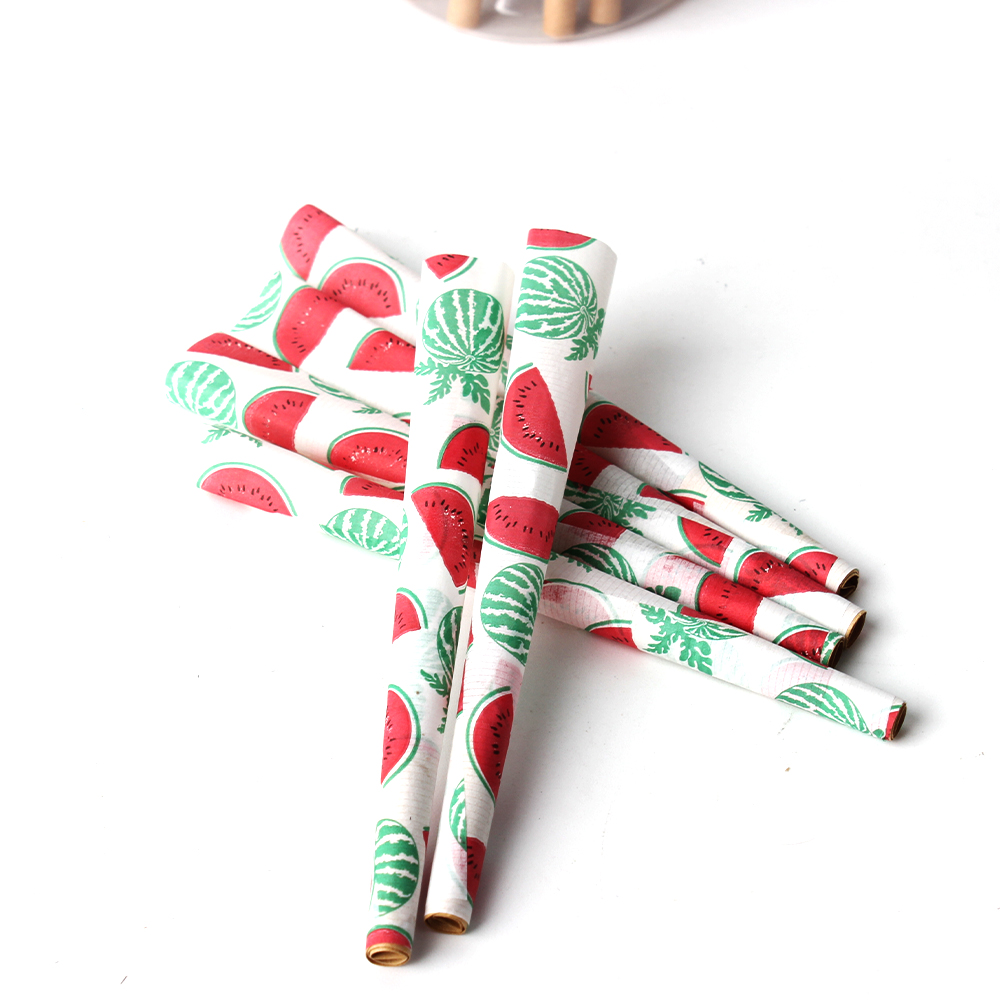
Selecting the right materials for sustainable cones requires balancing environmental responsibility with functional requirements. Pre-rolled cones must deliver consistent burn rates, structural integrity, and ease of use. The raw materials chosen during initial processing directly influence these performance characteristics, making material evaluation a critical business decision for manufacturers committed to both quality and sustainability.
Pulp quality assessment begins with analyzing fiber characteristics that determine cone performance. The length, strength, and consistency of fibers affect how the cone holds together during rolling and burning. Natural fibers sourced from sustainably managed forests provide superior structural properties compared to recycled alternatives. When evaluating organic paper sources, manufacturers must test fiber resilience, whiteness retention, and ash content. These metrics directly impact the final product's burn consistency and user experience, making them essential quality parameters for premium pre-rolled cones.
Raw material purity represents a major quality factor that often gets overlooked during supplier selection. Contaminants such as lignin residues, dirt particles, or chemical traces can compromise cone integrity and create uneven burning patterns. Chlorine free processing ensures materials remain pure and free from harmful residues. Sustainable cones produced from properly cleaned and screened pulp demonstrate superior performance in real-world applications. Quality assurance teams should implement rigorous testing protocols to verify incoming material meets established purity standards before production begins.
Organic paper sourcing requires verifying that materials come from certified sustainable forests or recycled content streams. Third-party certifications such as FSC or similar standards provide transparency about material origins and harvesting practices. When selecting suppliers for sustainable cones, manufacturers should request documentation confirming certification status and material traceability. This verification process builds consumer trust and supports marketing claims about product sustainability. Suppliers who maintain transparent sourcing practices typically deliver more consistent material quality, reducing production variability and improving final cone performance.
The processing method used to convert raw pulp into usable material significantly affects the final product's environmental profile. Chlorine free bleaching processes preserve material integrity while eliminating toxic residues that traditional methods introduce. Sustainable cones benefit from mechanical pulping alternatives and oxygen-based bleaching systems that reduce chemical footprint. Manufacturers evaluating raw material suppliers should prioritize those using environmentally responsible processing technologies. These methods not only reduce environmental harm but often produce superior material quality compared to conventional approaches.
Material selection requires balancing sustainability objectives with economic realities of production. Organic paper and chlorine free materials sometimes command premium pricing compared to conventional alternatives. However, superior material consistency often reduces waste during manufacturing, offsetting higher input costs. Pre-rolled cones made from carefully selected sustainable materials command premium market prices that justify investment in quality sources. Forward-thinking manufacturers view sustainable material selection as a competitive advantage rather than a cost burden, especially as consumer preference for eco-friendly products strengthens market positioning.
Implementing comprehensive testing protocols ensures selected materials consistently meet performance and sustainability standards. Laboratory analysis should evaluate tensile strength, porosity, burn rate consistency, and chemical composition of incoming pulp batches. Sustainable cones require more rigorous testing because alternative materials may show greater variability than conventional sources. Establishing baseline specifications and regular supplier audits maintains quality consistency across production runs. Quality assurance teams should maintain detailed records of material testing results to identify trends and refine supplier relationships over time.
The most critical pulp characteristics include fiber length and strength, which determine structural integrity and burn consistency. Ash content, whiteness, and purity also significantly impact final product quality. Pre-rolled cones perform best when pulp demonstrates uniform fiber distribution and minimal contamination. Testing for these characteristics helps manufacturers identify suppliers capable of delivering consistent material quality batch after batch.
Chlorine free processing eliminates harmful chemical residues while maintaining material strength and purity. Sustainable cones produced using chlorine free methods appeal to environmentally conscious consumers and reduce manufacturing environmental impact. This processing approach often results in superior burn characteristics because materials retain natural properties without chemical interference. Choosing chlorine free suppliers demonstrates genuine commitment to sustainability beyond simple marketing claims.
Certified organic paper provides documented proof of sustainable sourcing and responsible harvesting practices. For premium pre-rolled cones targeting eco-conscious markets, certified materials justify the investment through consumer trust and brand differentiation. Organic paper sourcing requires higher verification standards but delivers consistent quality and material reliability. Manufacturers should evaluate their target market's sustainability expectations and price sensitivity before committing to fully certified organic materials.