EN
EN

how-anodized-surface-treatments-extend-custom-grinder-lifespans, how-anodized-surface-treatments-extend-custom-grinder-lifespans, /news
EN
2026/09/14
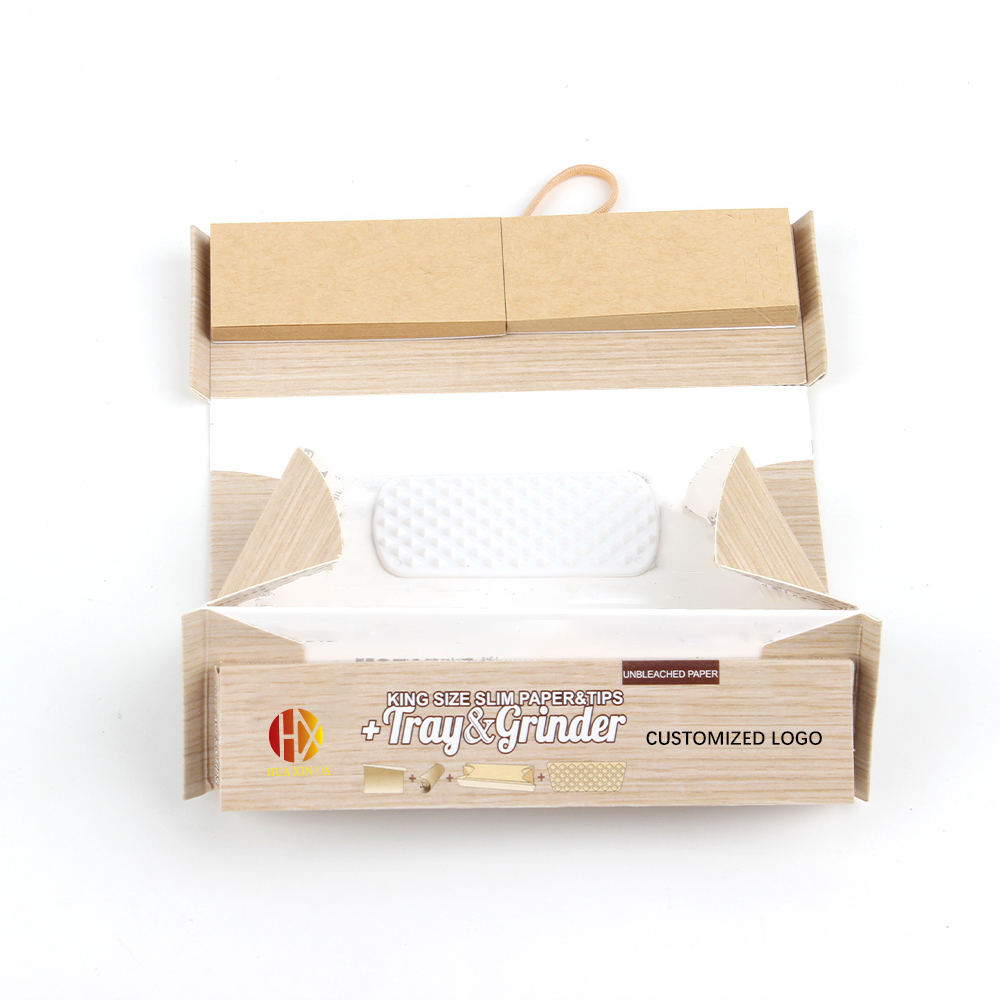
Custom grinders are essential tools in industrial and commercial grinding operations, where durability and consistent performance directly impact productivity and cost efficiency. The lifespan of custom grinders depends heavily on surface protection, and one of the most effective methods to extend this lifespan is through anodized surface treatments. Anodized finishes create a protective oxide layer that shields the underlying metal from environmental damage, moisture, and mechanical wear, making them ideal for custom grinders that face demanding operational conditions.
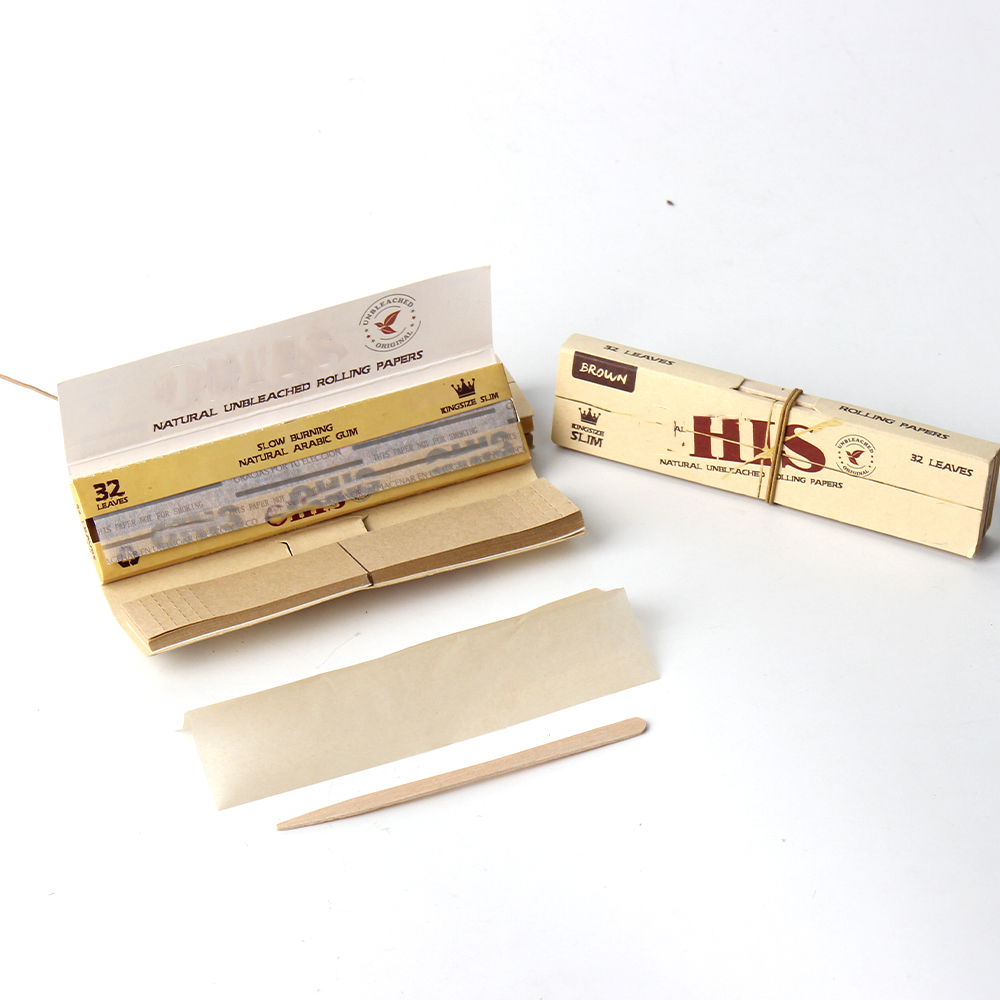
Understanding how anodized finishes work and why they improve metal durability is crucial for anyone investing in grinding equipment. This comprehensive guide explores the science behind anodized surface treatments, their benefits for custom grinders, and practical considerations for maintaining these protective coatings to maximize equipment lifespan and reduce replacement costs.
Anodization is an electrochemical process that transforms the surface of aluminum and other metals into a protective oxide layer. When custom grinders undergo anodization, the metal surface becomes thicker and more chemically resistant than the original material. This anodized finish creates a barrier that prevents corrosive elements from penetrating the substrate, significantly enhancing the scratch resistant properties of the grinding surfaces.
The oxide layer generated during anodization is harder than untreated metal, which means that grinding components experience less surface degradation during regular operation. The thickness of the anodized finish can be controlled during the electrochemical process, allowing manufacturers to optimize protection levels based on the specific operational demands of custom grinders in different industrial environments.
The anodized finish creates a non-conductive barrier that fundamentally changes how the metal responds to moisture, salt exposure, and acidic environments. For custom grinders operating in humid or chemically aggressive settings, this corrosion resistance is invaluable. Metal durability increases substantially because the oxide layer prevents electrochemical reactions that typically cause rust, pitting, and material loss over time.
Additionally, anodized surfaces can be sealed to further enhance their protective capabilities. The sealing process fills microscopic pores in the oxide layer, making the scratch resistant properties even more robust and extending the effective service life of grinding equipment significantly.
Custom grinders with anodized finishes experience measurably longer operational lifespans compared to untreated counterparts. The scratch resistant nature of the anodized finish means that daily grinding operations cause less surface damage, maintaining performance consistency throughout the equipment's useful life. Industries relying on high-volume grinding operations benefit directly from extended equipment lifespan, as they reduce unplanned downtime and replacement costs.
Metal durability improvements from anodization translate to lower total cost of ownership. Equipment that resists corrosion and mechanical wear requires fewer maintenance interventions, and replacement cycles extend by months or even years. For facilities operating multiple custom grinders, these savings compound across the entire equipment fleet, making anodized finishes a strategically sound investment.
The scratch resistant properties of anodized surfaces ensure that custom grinders maintain consistent grinding performance throughout their operational lifetime. Surface degradation is one of the primary causes of performance loss in grinding equipment, as worn or corroded surfaces can affect grinding precision and create uneven material removal. Anodized finishes mitigate this degradation, allowing custom grinders to deliver stable, predictable results across extended service periods.
Reliability is especially critical in industries where grinding tolerances are tight and material consistency is essential. An anodized finish protects the working surfaces of custom grinders from environmental contaminants and oxidation, preserving dimensional accuracy and reducing scrap rates caused by grinding inconsistencies.
While anodized finishes provide substantial protection, proper maintenance practices are essential to maximize their protective benefits for custom grinders. Regular cleaning removes abrasive particles and chemical residues that could compromise the anodized finish over time. Operators should avoid using harsh chemicals or abrasive cleaning methods that could scratch or degrade the protective oxide layer.
Storing custom grinders in controlled environments further preserves the integrity of anodized surfaces. Temperature fluctuations and high humidity can accelerate corrosion if moisture penetrates any microscopic imperfections, so maintaining stable storage conditions ensures that the scratch resistant properties remain effective throughout the equipment's lifespan.
Metal durability characteristics of anodized custom grinders prove especially valuable in challenging industrial environments. Facilities exposed to salt air, acidic vapors, or high moisture levels see significant performance advantages with anodized equipment compared to untreated alternatives. The anodized finish acts as a shield against these environmental stressors, maintaining the structural integrity and functional properties of the grinding equipment.
Custom grinders deployed in outdoor or semi-outdoor settings experience the most dramatic benefits from anodization. The combination of scratch resistant properties and corrosion resistance creates a comprehensive protection strategy that keeps grinding surfaces in optimal condition despite exposure to natural weathering and environmental contaminants. This protection directly translates to extended equipment lifespan and reduced lifecycle costs for industrial operations.
The primary advantage of an anodized finish is its ability to create a hard, corrosion-resistant protective layer that extends the lifespan of custom grinders. Anodized surfaces are scratch resistant and protect underlying metal from environmental degradation, moisture, and oxidation. This protection ensures that grinding equipment maintains performance consistency and reduces the need for premature replacement, directly lowering operational costs and improving equipment reliability.
Anodized finishes improve metal durability by transforming the metal surface into a chemically stable oxide layer that resists corrosion, chemical attack, and mechanical wear. This scratch resistant coating prevents the surface from oxidizing naturally and shields custom grinders from environmental contaminants. The result is equipment that maintains structural integrity and operational performance throughout an extended service life, even in harsh industrial environments.
Yes, anodized custom grinders represent a sound long-term investment for most industrial applications. While the initial cost may be higher than untreated equipment, the extended lifespan, reduced maintenance requirements, and improved performance consistency create substantial cost savings over the equipment's lifetime. Facilities that use custom grinders frequently or operate in corrosive environments see the fastest return on investment through reduced downtime and extended replacement cycles.