EN
EN

how-custom-rolling-papers-maintain-uniform-combustion-rates, how-custom-rolling-papers-maintain-uniform-combustion-rates, /news
EN
2026/08/28
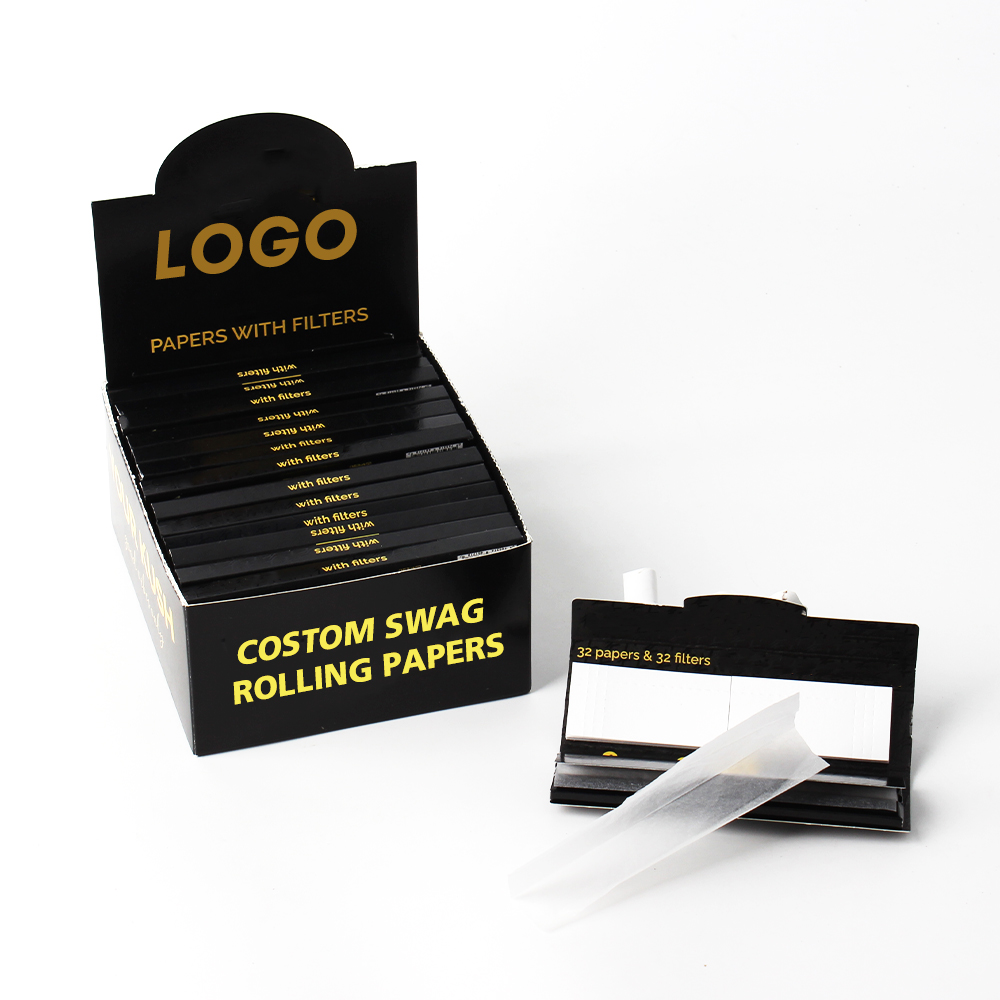
The quality of custom rolling papers directly impacts the smoking experience, and one of the most critical performance metrics is combustion uniformity. When manufacturers produce custom rolling papers, achieving consistent burn rates across every sheet requires precision in material selection, manufacturing processes, and design specifications. Custom rolling papers that maintain uniform combustion rates deliver superior user satisfaction and brand loyalty, making this technical capability a competitive advantage in the market.
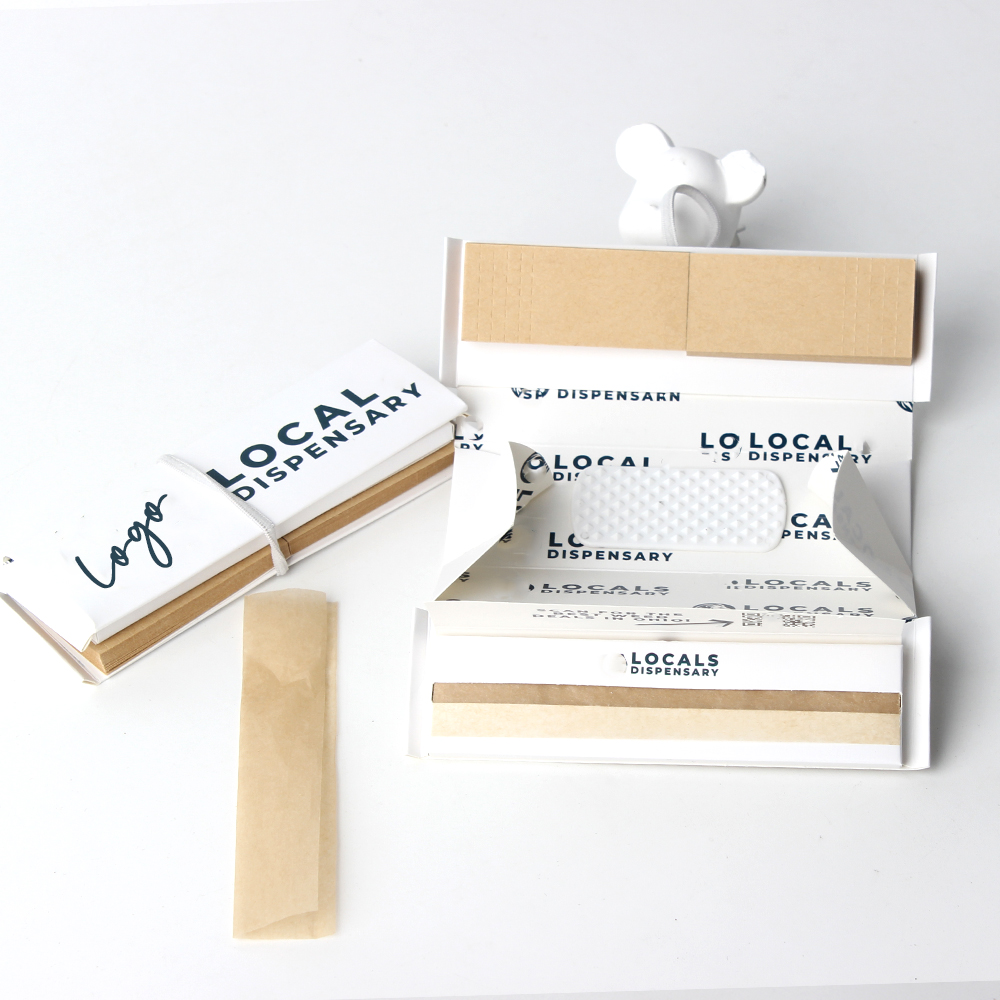
Uniform combustion rates depend on multiple interconnected factors including paper thickness, fiber composition, ash content, and surface treatment. Branded papers that fail to control these variables often produce inconsistent burn speeds, creating frustration for end-users. Understanding how custom rolling papers maintain combustion consistency reveals the engineering and material science behind premium smoking products.
The foundation of uniform combustion begins with careful material selection. Custom printing on rolling papers starts with sourcing fibers that exhibit consistent burning characteristics. High-quality branded papers typically use fibers derived from wood pulp or plant-based sources such as flax, hemp, or rice straw. These materials must meet strict standards for fiber diameter, length, and density to ensure predictable combustion behavior across every sheet produced during manufacturing.
Fiber consistency directly influences how heat transfers through the paper matrix. When custom rolling papers use uniform fiber sizes and weights, combustion progresses evenly from end to end. Inconsistent fiber distribution creates burn-rate variations, where thin sections ignite faster than dense areas. Manufacturers of premium booklet paper and specialty smoking papers invest in fiber screening and classification systems to eliminate substandard materials before the paper-making process begins.
Ash content is a measurable factor that correlates strongly with combustion uniformity. Custom rolling papers formulated with minimal and evenly distributed ash burn more consistently than papers with variable mineral content. During custom printing production, manufacturers control ash levels by selecting specific bleaching agents, fillers, and sizing compounds. Papers with ash content between 3-8% typically demonstrate superior combustion uniformity compared to higher-ash alternatives.
The distribution of mineral compounds throughout the paper sheet matters as much as total ash content. Uneven mineral concentration creates localized combustion variations that users perceive as uneven burning. High-end branded papers undergo quality testing to verify that mineral distribution remains consistent across the entire sheet and throughout every batch, ensuring that custom printing does not compromise this critical property.
During the paper manufacturing stage, pressing operations determine the final density and thickness of custom rolling papers. Inconsistent pressing pressure leads to variable paper density, which directly causes combustion rate variations. Premium booklet paper manufacturers use calibrated hydraulic press systems that apply uniform pressure across every sheet. This precision manufacturing is essential for branded papers intended for high-performance applications where combustion consistency is a selling point.
The thickness tolerance of custom rolling papers significantly impacts burn consistency. Papers with thickness variations of just 0.01mm can exhibit noticeable combustion differences when rolled and lit. Modern manufacturing facilities maintain thickness tolerances within ±0.02mm by using laser measurement systems integrated into production lines. This level of precision ensures that every sheet of custom printing paper maintains the same combustion characteristics as the next.
Custom printing introduces additional variables that manufacturers must control to maintain uniform combustion. The inks, dyes, and printing methods used for branded papers can affect how the paper burns if not carefully formulated. Water-based inks are preferred for custom rolling papers because they integrate into the fiber matrix without creating impermeable surface layers that would cause uneven combustion. The printing coverage and ink saturation must remain consistent across all sheets to prevent combustion rate variations.
Dry-offset and flexographic printing techniques are commonly used for custom printing on booklet paper and smoking products because they allow precise ink control. These methods deposit ink uniformly across the paper surface without saturating the fibers excessively. When custom rolling papers undergo these printing processes with strict press calibration and ink viscosity monitoring, the resulting branded papers maintain combustion characteristics that match unprinted control samples.
Surface treatments applied to custom rolling papers significantly influence combustion uniformity. Light coatings or sizing compounds can create a barrier layer that slows and stabilizes burn rates across the entire sheet. Premium branded papers often incorporate proprietary surface treatments during custom printing that enhance combustion consistency without altering the fundamental smoking experience. These treatments must be applied uniformly to every sheet to achieve the desired effect.
The interaction between surface coating and the underlying paper fiber network determines actual combustion behavior. Custom rolling papers engineered for slow, even burning typically feature fine surface finishes that regulate oxygen access to the fiber matrix. This deliberate design feature prevents hot-spot formation that occurs when combustion accelerates in localized areas. Quality control testing verifies that surface consistency remains within specification across all production batches.
Edge treatment of custom rolling papers affects both combustion uniformity and product quality perception. Properly sealed edges prevent accelerated burning along paper margins, which would compromise combustion consistency. Branded papers undergo edge sealing processes that apply light wax or gum coatings to eliminate raw fiber exposure. Custom printing facilities that produce booklet paper for smoking applications invest in precision cutting and sealing equipment to ensure dimensional accuracy and uniform edge characteristics.
Dimensional consistency of custom rolling papers extends beyond thickness to include length and width tolerances. Papers that deviate from specified dimensions often exhibit combustion variations because they burn at different rates relative to their mass. Standard quality specifications require custom rolling papers to maintain dimensions within ±1mm to ensure predictable performance. This dimensional precision is verified through automated measurement systems at multiple stages during custom printing production.
Uneven combustion in custom rolling papers typically results from inconsistent fiber composition, variable thickness, or uneven mineral distribution throughout the sheet. Additionally, improper storage conditions that allow moisture absorption or drying can alter paper properties and cause combustion variations. Branded papers from reputable manufacturers with rigorous quality control systems demonstrate significantly more uniform burning than budget alternatives that lack these manufacturing standards.
Testing combustion uniformity involves rolling standard samples and measuring burn speed under controlled environmental conditions, typically at 21-25 degrees Celsius with 45-55% relative humidity. Advanced quality control systems use video analysis and infrared sensors to detect burn-rate variations along the length of the paper. Manufacturers of premium booklet paper and branded papers conduct combustion testing on every production batch to verify consistency and document performance data for quality assurance purposes.
Custom printing can affect combustion rates if improper inks or application methods are used, but properly formulated custom printing processes have minimal impact on burn characteristics. Water-based inks designed specifically for smoking papers integrate seamlessly with the fiber structure without disrupting combustion. Professional manufacturers ensure that branded papers maintain identical combustion performance before and after custom printing by using calibrated press systems and ink formulations tested for smoking applications.