EN
EN

how-different-paper-weights-affect-the-burning-speed-of-rolling-paper-booklets, how-different-paper-weights-affect-the-burning-speed-of-rolling-paper-booklets, /news
EN
2026/09/07
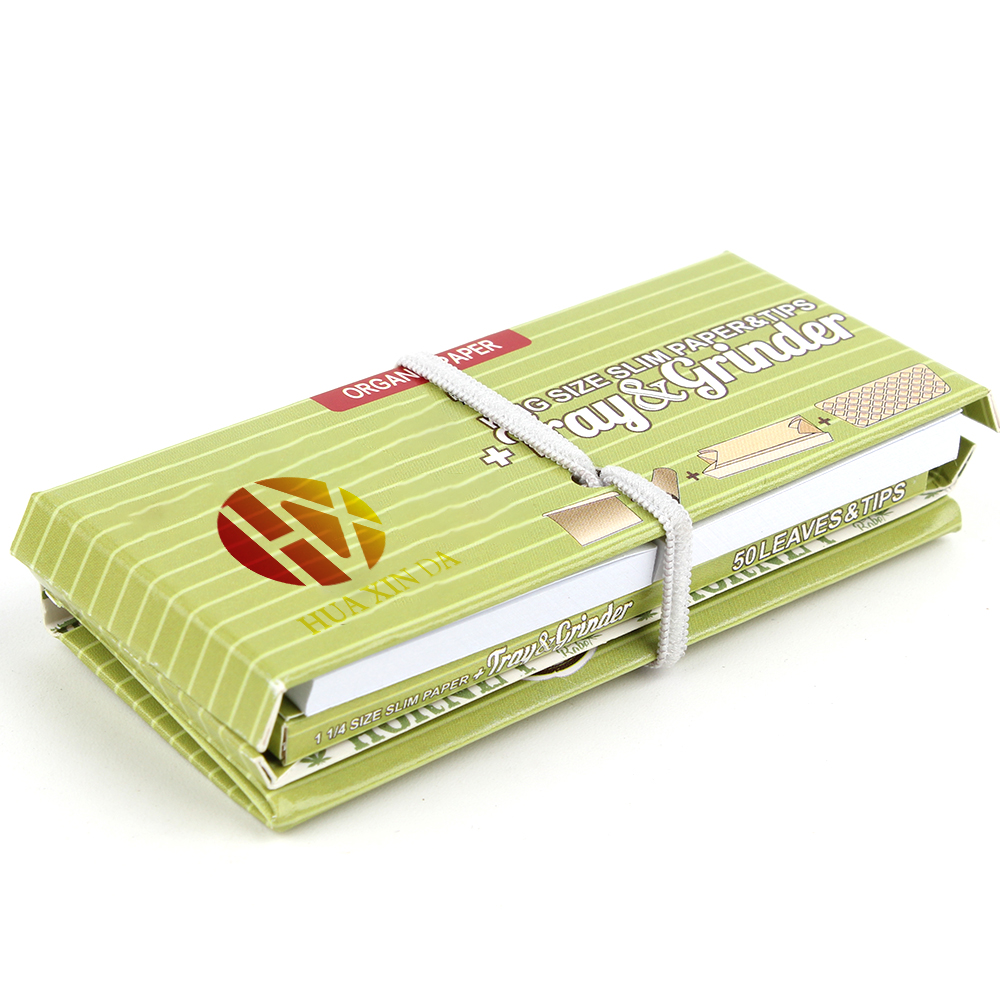
The burning speed of rolling paper booklets is fundamentally determined by paper weight, a factor that significantly influences the smoking experience for users. Understanding this relationship is essential for manufacturers, distributors, and consumers who seek consistent quality and performance. Paper weight directly affects how quickly the paper ignites, how long it burns, and how evenly the combustion process occurs across the entire sheet. Heavy-weight papers burn more slowly due to their increased density, while lighter papers combust faster and may create an uneven smoking session.
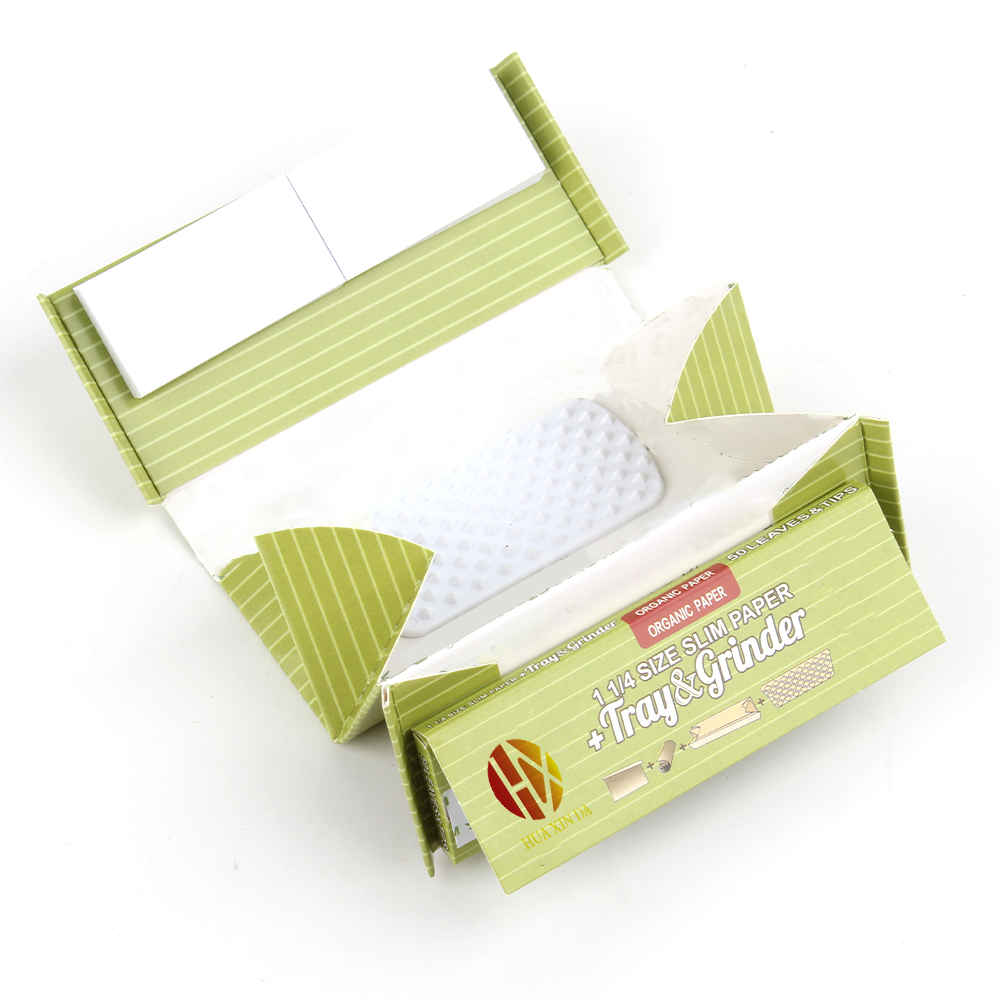
The selection of appropriate paper weight for rolling paper booklets requires careful consideration of burning characteristics, user preferences, and product consistency. Rolling paper booklets made from gummed rolling paper with varying weights offer different performance profiles that impact the overall smoking experience. Manufacturers must balance multiple factors including material composition, processing techniques, and consumer expectations when determining optimal paper weight specifications.
Paper weight is measured in grams per square meter, a standard metric that directly correlates with paper density and thickness. Heavier rolling paper booklets possess greater structural integrity and require more time to reach ignition temperature across the entire surface. The combustion process depends on the paper's ability to transfer heat and oxygen through its fiber matrix, and denser papers naturally slow this process. When gummed rolling paper carries higher weight specifications, the tobacco or smoking material burns at a more controlled pace, extending the duration of use and providing a smoother experience.
Lighter paper weights ignite more quickly and burn faster, sometimes creating hot spots or uneven combustion that compromises quality. The relationship between weight and burn rate is not perfectly linear; factors such as natural plant fiber composition also influence how the paper responds to heat. Premium rolling paper booklets often utilize optimized weight combinations to achieve the ideal balance between rapid ignition and sustained, even burning characteristics.
Natural plant fiber paper serves as the foundation for most high-quality rolling paper booklets, and the type of plant material significantly influences how weight affects burning speed. Rice, hemp, and flax fibers are common choices for tobacco rolling paper, each offering distinct combustion properties that interact with paper weight to determine final burn characteristics. Papers made from natural plant fiber tend to burn more uniformly than synthetic alternatives, regardless of weight specification, though heavier natural plant fiber formulations still exhibit slower burn rates.
The relationship between gummed rolling paper weight and plant fiber type creates a complex interaction that manufacturers must carefully control. Higher-quality gummed rolling paper uses premium fiber sources combined with appropriate weight to achieve the desired burning speed and flavor profile.
Lightweight tobacco rolling paper typically ranges from 14 to 16 grams per square meter and ignites almost immediately when heat is applied. These thinner rolling paper booklets burn quickly, sometimes too quickly for users seeking an extended experience. The rapid combustion of lightweight options can create challenges for consistent product quality, as the paper may not burn evenly across the entire surface area. Consumers often report that ultra-thin gummed rolling paper requires careful handling and precise rolling techniques to achieve acceptable burn performance.
Despite these drawbacks, lightweight rolling paper booklets remain popular among certain user segments who prefer quick sessions and appreciate the minimal paper taste during smoking.
Medium-weight rolling paper booklets, typically ranging from 20 to 26 grams per square meter, represent the most balanced option for general use. Gummed rolling paper in this weight range burns at a moderate speed that suits most users, offering sufficient time for an extended session without excessive delays. Natural plant fiber paper at medium weight provides optimal combustion characteristics, with even heat distribution and consistent burn rates throughout the smoking experience. Most premium tobacco rolling paper products fall within this weight category, combining ease of use with reliable performance.
Heavy-weight rolling paper booklets, exceeding 30 grams per square meter, are specifically designed for users who want extended burn times and maximum control over the smoking experience. These premium natural plant fiber papers burn slowly and deliberately, allowing users to enjoy their smoking session for significantly longer periods. Specialty heavyweight gummed rolling paper often incorporates advanced manufacturing techniques to ensure even combustion despite the increased thickness. These rolling paper booklets command premium pricing due to their superior performance characteristics and consistent quality standards.
Different user segments have distinctly different preferences regarding burning speed, and paper weight selection should align with these expectations. Casual users often prefer the convenience of lighter-weight rolling paper booklets that burn quickly and require minimal attention during the smoking session. More experienced users frequently choose medium to heavy-weight options, appreciating the extended burn time and greater control that gummed rolling paper in these categories provides. The natural plant fiber composition combined with appropriate weight creates the ideal experience for each user segment.
Manufacturers producing tobacco rolling paper must understand their target market's preferences to select appropriate weight specifications that drive customer satisfaction and repeat purchases. Research into user satisfaction scores consistently shows that medium-weight gummed rolling paper booklets satisfy the broadest audience, though niche segments enthusiastically support specialty heavyweight products.
Paper weight directly impacts the manufacturing consistency and quality control processes for rolling paper booklets. Heavier gummed rolling paper requires more sophisticated production equipment and tighter tolerances to ensure uniform thickness and weight distribution. Natural plant fiber papers processed to precise weight specifications demonstrate superior burn characteristics compared to products with variable weight specifications. Manufacturers investing in premium equipment and quality assurance protocols can achieve the tight weight tolerances that deliver consistent burning speed across every rolling paper booklets unit produced.
Tobacco rolling paper quality certifications often specify minimum weight standards as a foundational requirement for premium product classification. Products meeting these standards consistently outperform lighter alternatives in consumer testing and satisfaction surveys.
Generally yes, but other factors also influence burning speed. Heavier rolling paper booklets do burn slower due to increased density, but the composition of gummed rolling paper and the specific natural plant fiber material used also play significant roles. Temperature conditions, humidity levels, and how tightly the paper is rolled can also affect overall burn rate. However, when comparing products made from similar natural plant fiber and manufacturing processes, heavier tobacco rolling paper consistently produces slower, more controlled burning characteristics.
Most manufacturers recommend medium-weight rolling paper booklets in the 20 to 26 gram per square meter range for optimal performance. This weight range balances ease of use with reliable burning speed, making it suitable for both beginner and experienced users. Gummed rolling paper at this specification offers consistent performance with natural plant fiber that burns evenly without excessive thickness that might complicate rolling or smoking techniques. Many premium brands standardize their tobacco rolling paper products at these weight specifications to maximize consumer satisfaction.
No, paper weight is one of several important factors affecting burning speed. While heavier rolling paper booklets do burn slower, the natural plant fiber composition, gummed rolling paper formulation, manufacturing precision, and user technique all contribute to final burning characteristics. Environmental conditions such as humidity and storage temperature also influence how quickly tobacco rolling paper burns. Comprehensive quality control in rolling paper booklets production requires optimizing all these variables together rather than focusing solely on weight specifications.