EN
EN

how-interleaving-patterns-prevent-jamming-in-custom-rolling-papers, how-interleaving-patterns-prevent-jamming-in-custom-rolling-papers, /news
EN
2026/08/27
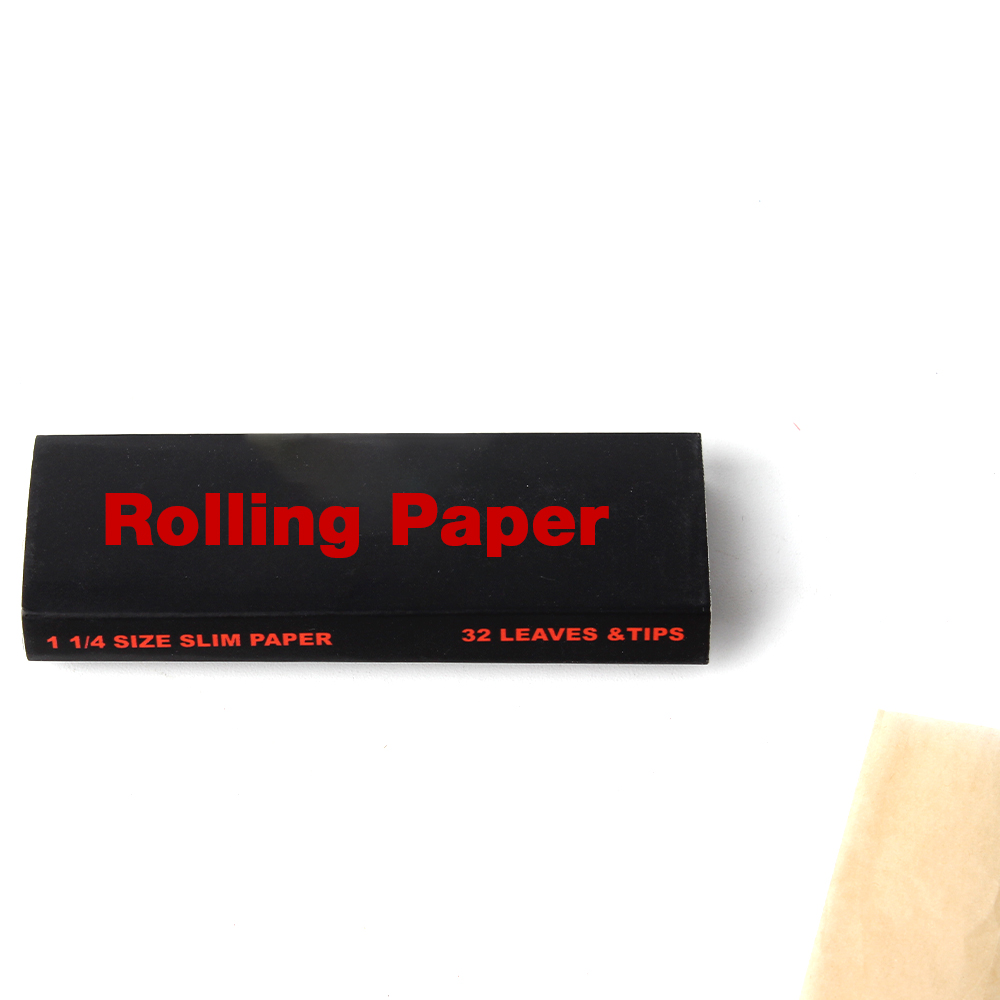
When manufacturers produce custom rolling papers at scale, one persistent challenge emerges: jamming during dispensing. This frustration affects both end users and brand reputation. The solution lies in understanding how interleaving patterns work within dispenser boxes to create smooth, reliable paper flow. Properly designed custom rolling papers use strategic interleaving techniques that separate individual sheets, reduce friction points, and maintain consistent dispensing performance even under high-volume production demands.
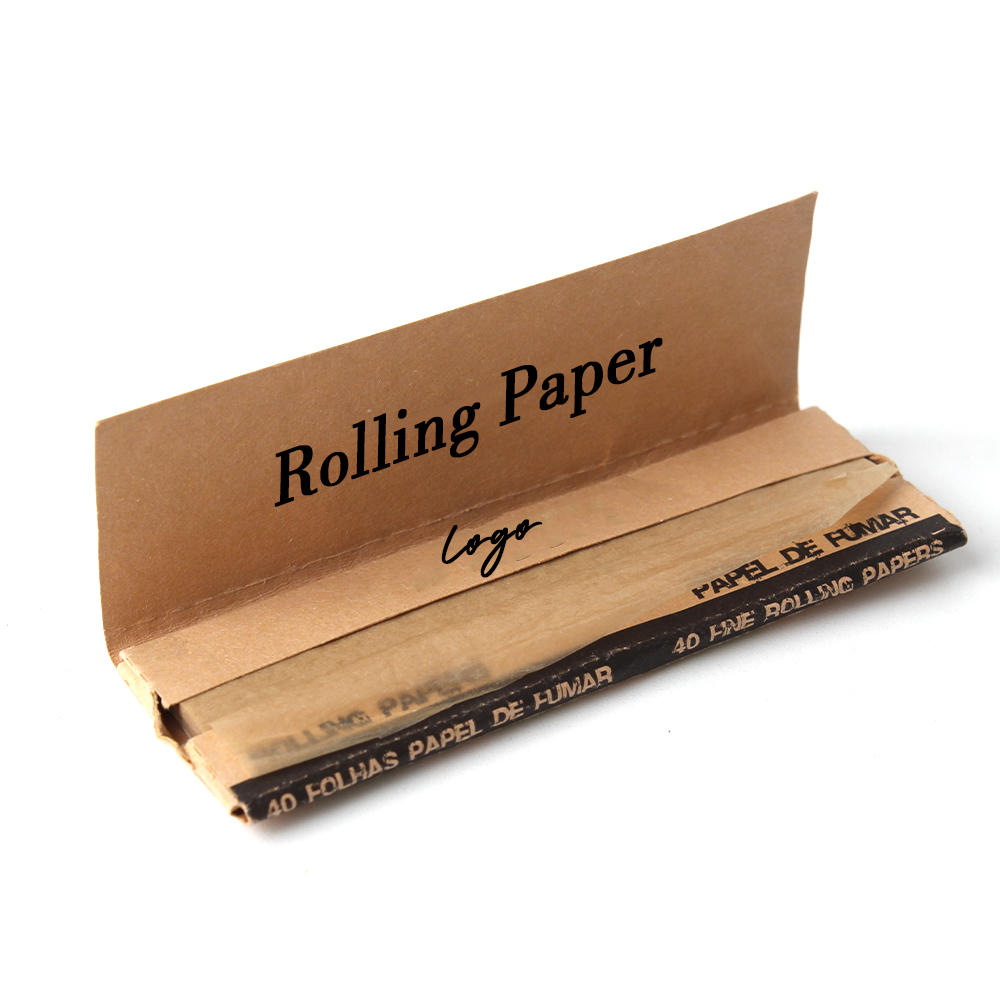
The mechanical behavior of paper products in a dispenser box depends on how sheets interact with one another. When custom rolling papers are stacked without intentional interleaving, static electricity, moisture absorption, and paper curl cause consecutive sheets to stick together. This binding creates the notorious double-feed or jam condition. Manufacturers addressing this issue have developed systematic interleaving approaches that dramatically improve user experience while maintaining product integrity and brand consistency.
Interleaved paper uses a deliberate offset or wave pattern that prevents direct contact between consecutive sheets. Each custom rolling paper sheet is slightly offset from the one above and below it, creating micro-gaps that allow air circulation. These gaps reduce adhesive forces between sheets and enable individual dispensing. The interleaving pattern must balance three competing requirements: maintaining structural integrity during storage, ensuring clean single-sheet separation, and preserving the premium feel that custom rolling papers deliver to consumers. When designed correctly, interleaved paper feels natural in the dispenser and performs reliably across varying humidity and temperature conditions.
The offset angle and magnitude in interleaving directly influence how easily a user can extract one sheet from a dispenser box. Shallow offsets provide minimal separation but reduce bulk, while aggressive angles maximize air gaps but can compromise aesthetic alignment. Professional dispenser box design typically uses 3–8 degree offsets, creating barely visible staggering that still interrupts static bonding and friction. This precision engineering ensures that branded paper products perform consistently across millions of dispensing cycles without compromising the visual integrity that custom branding demands.
The dispenser box structure works in concert with interleaved paper to prevent jamming. A well-designed dispenser box includes a precision feed slot, gentle paper guidance rails, and a base that supports paper without excessive pressure. When custom rolling papers are combined with a properly engineered dispenser box, the interleaving pattern becomes most effective. The box walls must hold papers at the correct angle, allowing gravity and minimal friction to guide individual sheets toward the dispensing slot. Poor box design can neutralize even excellent interleaving, causing jams despite manufacturer best intentions.
How weight distributes across a paper stack within a dispenser box determines whether interleaving prevents or fails to prevent jamming. Excessive stack pressure compresses the micro-gaps between interleaved sheets, re-bonding them and negating the interleaving benefit. Conversely, insufficient pressure allows sheets to shift and tangle during transport and use. The optimal pressure zone keeps sheets separated while maintaining stability. Custom rolling papers benefit from graduated pressure—lighter pressure near the dispensing slot where individual sheets must separate easily, and moderate pressure deeper in the stack to maintain alignment and prevent cascade failures.
Manufacturing interleaved paper at scale requires tight tolerance control. Each sheet must achieve the intended offset pattern consistently; variations of even 1–2 millimeters can compromise performance across an entire production run. Branded paper producers use precision cutting, stacking, and quality verification systems to ensure that custom rolling papers meet interleaving specifications. Any deviation in paper thickness, moisture content, or dimensional accuracy cascades into jamming risk. This is why custom rolling papers from reliable manufacturers include rigorous in-process testing and final validation protocols before dispenser box assembly.
The paper material itself influences how effectively interleaving prevents jamming. Paper with higher sizing—a finish that resists moisture absorption—maintains its offset geometry better across humidity fluctuations. Conversely, paper that absorbs moisture quickly can swell and compress the interleaving gaps. Custom rolling papers must balance aesthetic qualities, burn characteristics, and dimensional stability. Manufacturers test branded paper samples across typical storage and use environments to confirm that interleaving performance remains reliable even when conditions change. This attention to environmental factors separates premium custom rolling papers from commodity products that jam under stress.
When interleaving patterns work correctly, users experience seamless single-sheet dispensing every time. This reliability builds brand trust and encourages repeat purchase. Conversely, jamming frustrates users and creates negative brand associations that are difficult to overcome. The investment in proper interleaved paper design and custom rolling papers engineering protects brand reputation and justifies premium positioning. For manufacturers competing on quality, preventing jamming through superior interleaving is a competitive necessity, not a luxury feature.
The cost of implementing effective interleaving patterns is substantially lower than managing returns, customer complaints, and reputational damage from jamming products. Brands that invest in proper dispenser box and interleaved paper engineering reduce warranty claims and improve customer lifetime value. Additionally, reliable performance encourages customers to recommend the branded paper to others, creating organic growth. This economic logic explains why quality manufacturers prioritize interleaving precision despite higher production complexity.
Interleaving creates micro-gaps between sheets that interrupt static electricity and friction bonding, allowing individual sheets to separate cleanly during dispensing. Standard stacking without offset patterns allows sheets to stick together, causing multiple papers to feed simultaneously and jam the dispenser mechanism. The geometric offset in interleaved paper is the primary mechanical difference that enables reliable single-sheet dispensing, making it essential for any premium dispenser box application.
Most high-performance dispenser boxes use 3–8 degree offsets in their interleaved paper, which provides optimal balance between separation effectiveness and visual discretion. Angles below 3 degrees may be insufficient to overcome static bonding under high humidity, while angles above 8 degrees become visually obvious and can compromise the aesthetic alignment that custom rolling papers require. The ideal angle depends on specific paper material properties, dispenser box geometry, and environmental conditions where the branded paper will be used.
Yes, even perfectly engineered interleaved paper can jam if the dispenser box provides excessive stack pressure, misaligned feed slots, or inadequate paper guidance. The box and paper work as an integrated system; a well-designed dispenser box maximizes the performance of custom rolling papers, while poor box engineering neutralizes interleaving benefits. This is why manufacturers of premium branded paper invest in both component optimization and system-level validation to ensure reliable performance across the entire user experience.