EN
EN

how-packing-density-affects-preroll-cone-freight-efficiency, how-packing-density-affects-preroll-cone-freight-efficiency, /news
EN
2026/08/13
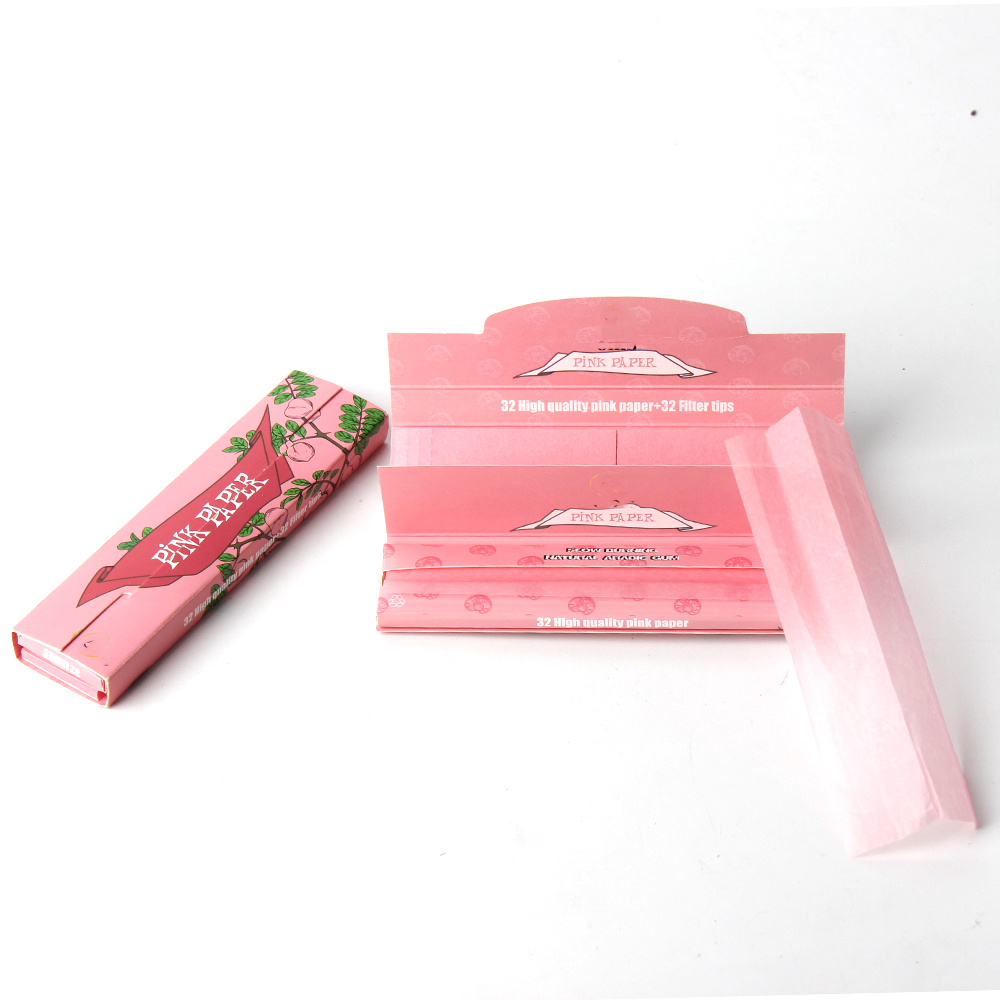
The logistics of shipping bulk pre roll cones involves far more than simply loading boxes onto a container. Packing density—the ratio of product volume to total shipping space—directly influences freight efficiency, shipping costs, and overall supply chain performance. When manufacturers and distributors fail to optimize packing density, they waste cubic space, increase per-unit shipping expenses, and reduce their competitive margin. Understanding how packing density affects freight efficiency is essential for anyone managing bulk cone distribution, particularly in export shipping scenarios where costs multiply across international routes.

Packing density determines how efficiently bulk cones occupy shipping containers and how much dead space remains. Higher packing density means more product per cubic meter, which directly reduces freight efficiency costs per unit. In export shipping, where freight is typically charged by either weight or volume—whichever is greater—poor packing density can result in paying for empty space. Shippers lose money twice: they ship fewer units in the same container and pay higher per-unit freight rates. Optimizing packing density requires understanding product dimensions, container specifications, and the practical constraints of handling and protection during transit.
Freight efficiency in export shipping is calculated using the greater of actual weight or volumetric weight. Volumetric weight divides total volume by a dimensional factor (typically 5,000 cm³ per kilogram in international standards). When packing density is low, bulk cones occupy excessive volume, and volumetric weight becomes the chargeable weight. A poorly packed container might ship 10,000 units at a cost equivalent to 12,000 units, directly eroding profit margins. This problem compounds across multiple shipments and seasons. By improving packing density, shippers can fit more units into each container, shifting the chargeable weight calculation in their favor and significantly reducing per-unit freight costs.
Standard shipping containers have fixed dimensions: 20-foot containers hold approximately 33 cubic meters, and 40-foot containers hold 67 cubic meters. When bulk pre roll cones are packed inefficiently, significant dead space accumulates. Cardboard boxes stacked with air gaps, improperly arranged pallets, or cone packaging that does not conform to box dimensions all waste container space. Freight efficiency improves dramatically when packing density increases from 60% to 80% or higher. This means more product revenue per container, better amortization of container and freight costs, and improved logistics performance overall. Shippers who achieve high packing density can often negotiate better freight rates with carriers because they demonstrate professional logistics management.
The foundation of export shipping efficiency begins with how bulk pre roll cones are packaged individually and in secondary cartons. Cone boxes should maximize the use of available space without creating air gaps. If cones are packaged in boxes with interior void space, that space is lost freight capacity. Manufacturers should design packaging so that when multiple boxes are stacked, they fit efficiently within standard pallet and container dimensions. For example, if a pallet is 1200 mm × 1000 mm, box designs should align with these dimensions to minimize wasted edge space. Bulk cone producers who invest in optimized packaging dimensions directly improve freight efficiency and reduce shipping costs for their entire customer base.
Pallet arrangement is critical to packing density. A standard euro pallet (1200 × 800 mm) or ISO pallet (1200 × 1000 mm) becomes the foundation for all bulk cone shipments. Boxes should be arranged in patterns that maximize coverage and minimize overhang. Layer height matters equally: stacking height must remain within container limits while maximizing layers per container. Plastic wrapping stabilizes the load and prevents shifting, but tight wrapping also protects product during export shipping. Weight distribution across the pallet affects both handling and container stability. Uneven loading reduces effective packing density because handlers may need to leave space around unstable loads. Optimized pallet configurations can increase packing density by 15–25% compared to standard arrangements.
Choosing the right container type and shipping mode directly influences packing density outcomes. Less-than-container-load (LCL) shipments often incur higher per-unit freight costs because containers are not fully utilized. Full-container-load (FCL) shipments reward high packing density with lower per-unit rates. For bulk pre roll cones, FCL shipments are typically more economical, so maximizing packing density becomes essential to maximize revenue per container. Air freight imposes strict weight and volume limits, making packing density even more critical. Sea freight is more forgiving of weight but heavily penalizes excess volume through dimensional weight surcharges. Understanding which shipping mode suits your bulk cone distribution allows you to match packing density strategies to actual freight efficiency drivers.
High packing density must not compromise product quality. Export shipping exposes bulk cones to temperature fluctuations, humidity, vibration, and pressure from stacked containers. Inadequate cushioning or padding in pursuit of maximum packing density can result in crushed or damaged cones upon arrival. Protective materials like kraft paper, bubble wrap, or edge protectors add volume and weight but prevent freight efficiency losses from damaged goods. The cost of protective packaging is far lower than the cost of freight, replacement, and customer dissatisfaction. Smart packing density optimization includes protective materials as necessary components, not extras to minimize. This balanced approach maintains freight efficiency while protecting product integrity across international routes.
Ideal packing density for bulk cones typically ranges from 75% to 90%, depending on packaging design and container type. Higher density reduces volumetric weight surcharges and improves freight efficiency significantly. However, density must account for protective materials, handling safety, and product protection. Manufacturers should conduct container trials to find the optimal balance for their specific bulk cone products and target markets.
Packing density reduces freight efficiency costs by maximizing product volume per container, which lowers the per-unit freight rate. When volumetric weight calculations result in charges for empty space, high packing density shifts the chargeable weight toward actual weight, reducing overall shipping expenses. For export shipping of bulk cones, every percentage point of density improvement can reduce per-unit costs by 1–2%, creating substantial savings across large shipments.
No. Freight efficiency gains are meaningless if products arrive damaged. Bulk pre roll cones require adequate cushioning and stabilization during transit, especially in export shipping where handling is more aggressive. The cost of protective materials is minimal compared to replacement and customer service costs. Optimal packing density includes protection as a core component, not a compromise.