EN
EN

how-paper-density-affects-airflow-in-custom-filter-tips, how-paper-density-affects-airflow-in-custom-filter-tips, /news
EN
2026/09/16
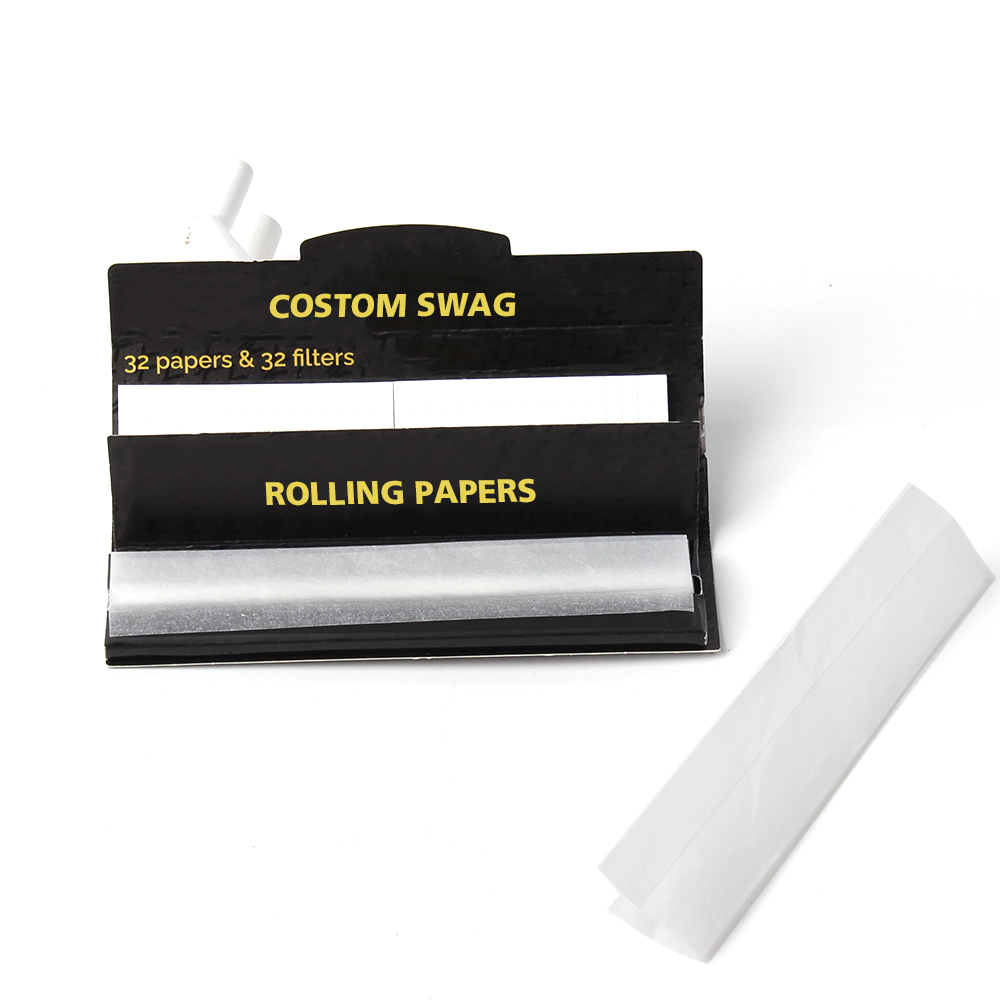
Paper density is a critical factor that directly influences airflow performance in custom filters, determining both the smoking experience and filtration quality. Understanding this relationship is essential for anyone designing or selecting branded filters or personalized accessories for their specific application. The density of the paper used in your custom filter tips fundamentally affects how air passes through the material, impacting draw resistance, smoke volume, and contaminant removal efficiency.
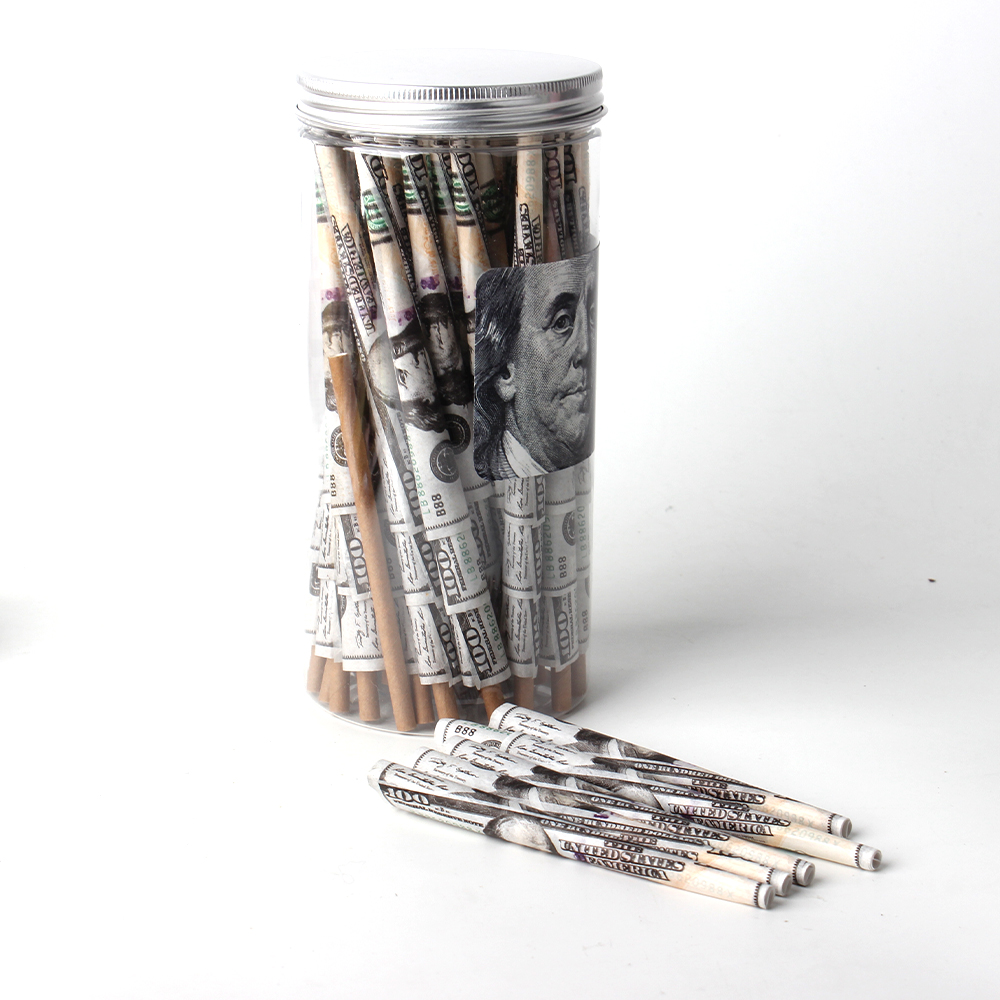
When manufacturers develop custom filter tips or paper tips for branded filters, they must balance multiple competing demands. Higher density paper provides superior filtration and structural integrity, but it restricts airflow and creates draw resistance that many users find undesirable. Conversely, lower density materials allow easier airflow but may compromise filtration effectiveness. This tension between performance metrics shapes every decision in the production of personalized accessories for professional and consumer markets.
Paper density refers to the mass-to-volume ratio of the material, typically measured in grams per cubic centimeter or pounds per ream. In the context of custom filters and paper tips, density determines the material's compactness and porosity. A denser paper has tightly packed fibers with smaller spaces between them, while lighter-density paper contains more air gaps and a more open structure. For branded filters and personalized accessories, this distinction profoundly affects both production costs and end-user satisfaction.
The filter industry typically categorizes paper tips into light, medium, and heavy-density classifications. Light-density custom filter tips offer minimal resistance and maximum airflow, appealing to users who prioritize an unobstructed draw. Medium-density options represent a compromise, balancing airflow with moderate filtration capability. Heavy-density custom filters provide maximum filtration but create noticeable draw resistance. Manufacturers must select the appropriate density classification during the design phase of personalized accessories to match their target market's preferences and regulatory requirements.
Airflow through paper tips depends on the size and distribution of pores within the material. Denser paper in custom filters creates a more tortuous path for air molecules, forcing them to navigate around tightly compressed fibers. This increased resistance generates what smokers perceive as a 'harder draw.' Conversely, lighter paper in branded filters and personalized accessories allows air to move more directly through larger pores, resulting in an effortless draw. The relationship between density and airflow resistance follows an exponential curve rather than a linear one, meaning small increases in density can dramatically impact airflow characteristics.
Pressure drop across custom filter tips is measured in millimeters of water, a standardized metric in the industry. This measurement quantifies how much resistance the paper creates to airflow. Paper tips with higher density typically generate pressure drops ranging from 80 to 150 millimeters of water, depending on the specific composition and thickness. Lower-density custom filters may produce pressure drops as low as 30 to 60 millimeters of water. Manufacturers of branded filters must carefully test pressure drop during product development to ensure their personalized accessories meet consumer expectations without creating an uncomfortable smoking experience.
The fundamental challenge in designing custom filters is balancing filtration performance against the desire for unrestricted airflow. Denser paper materials in paper tips trap more particulates, including tars and harmful compounds, providing superior health protection. However, this increased filtration requires denser materials that inevitably restrict airflow. Personalized accessories must be engineered to optimize this balance for specific use cases. Some applications prioritize health protection and justify the draw resistance, while others target users willing to accept lower filtration for a smoother experience. Branded filters often segment their product lines to address different customer preferences within these trade-off parameters.
Paper density also affects the structural durability of custom filter tips during manufacturing and use. Very low-density materials may be too fragile to survive the rolling process without tearing, limiting how light manufacturers can make their products. Conversely, extremely high-density paper becomes difficult and costly to produce with consistent properties. The optimal density range for most commercial custom filters typically falls between 0.7 and 1.2 grams per cubic centimeter, a zone where manufacturers can achieve acceptable structural integrity while maintaining viable airflow characteristics. Personalized accessories designed outside these parameters often face production challenges or consumer rejection.
Selection of appropriate paper density in custom filter tips should align with intended usage patterns and user preferences. Recreational users often prefer lower-density options that maximize airflow and ease of use. Professional applications or health-conscious consumers may prefer medium to high-density branded filters despite the increased draw resistance, valuing the superior filtration these personalized accessories provide. Custom filters sold in premium market segments frequently employ higher-density papers to justify their price points and communicate quality through a more substantial draw.
Contemporary paper manufacturing allows unprecedented precision in density control, enabling manufacturers to create highly specialized custom filter tips. Some companies now offer layered paper tips that combine different density zones, allowing lower-density material for easy airflow and higher-density layers for filtration. This innovation represents a significant advancement in personalized accessories. Branded filters can now leverage this technology to create unique products that differentiate them in competitive markets. Custom filters incorporating advanced multi-density designs often command premium pricing while delivering superior user satisfaction across multiple performance dimensions.
Yes, higher paper density in custom filters generally correlates with improved filtration, as the tighter fiber structure traps more particulates. However, the relationship is not infinitely linear. Beyond a certain density threshold, additional filtration improvements become marginal while airflow penalties continue accumulating. Paper tips must balance these competing factors. For personalized accessories, the optimal density depends on the specific application and user expectations rather than simply maximizing density.
Absolutely. Manufacturers control paper density during production through compression, fiber selection, and chemical treatment processes. Branded filters can achieve consistent density specifications by monitoring production parameters throughout manufacturing. Custom filters offer flexibility to modify density for different product lines or market segments. Personalized accessories can be engineered with specific densities to meet particular customer requirements or regulatory standards.
Most commercial custom filter tips operate within a density range of 0.7 to 1.2 grams per cubic centimeter, a zone that balances airflow, filtration, structural integrity, and manufacturing feasibility. Paper tips at the lower end of this range offer minimal draw resistance, while those at the upper end provide maximum filtration. Branded filters and personalized accessories typically select densities within this sweet spot to satisfy the majority of consumer preferences while maintaining production efficiency.