EN
EN

how-porosity-variations-affect-airflow-in-custom-rolling-papers, how-porosity-variations-affect-airflow-in-custom-rolling-papers, /news
EN
2026/08/03
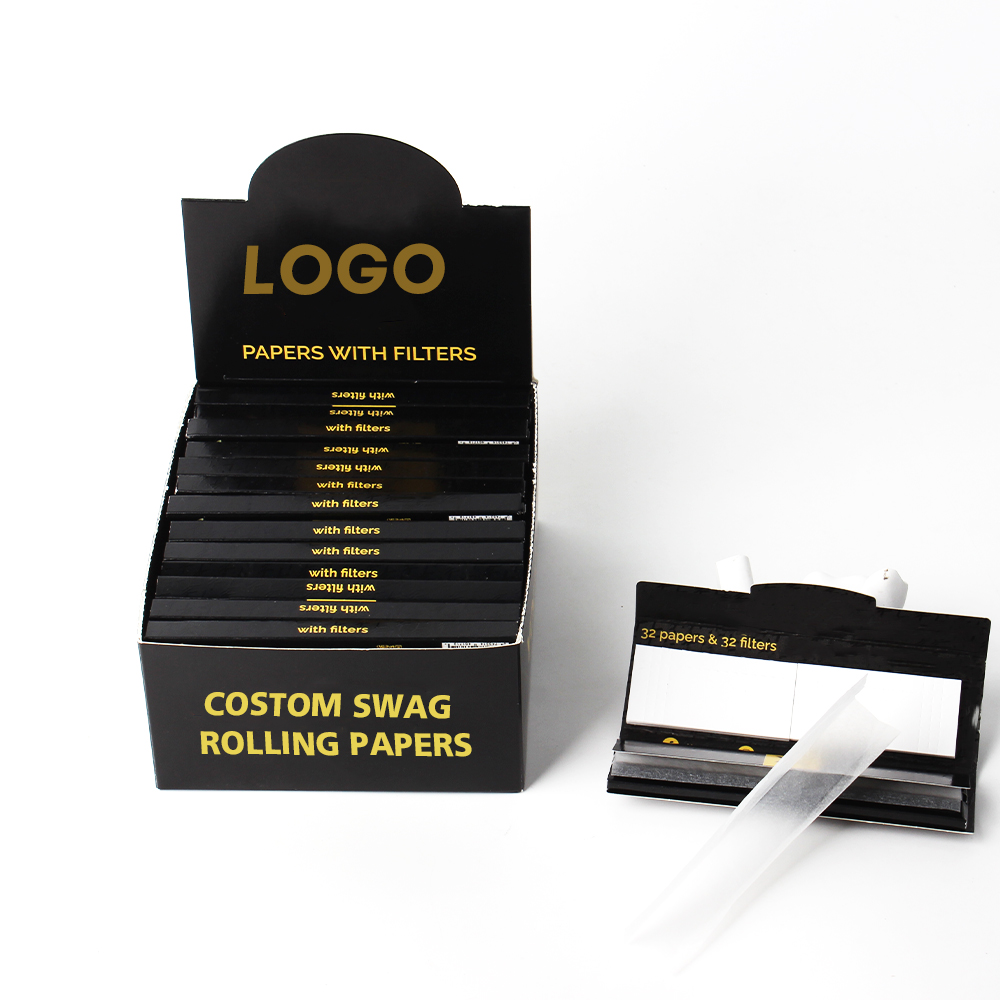
The quality of custom rolling papers depends significantly on porosity, a material property that directly influences how air moves through the paper during combustion. Porosity refers to the density and distribution of tiny pores within the paper structure, and variations in this characteristic create measurable differences in airflow dynamics. Understanding this relationship is essential for anyone seeking to optimize the smoking experience, whether manufacturing personalized paper for commercial use or selecting premium materials for personal consumption.
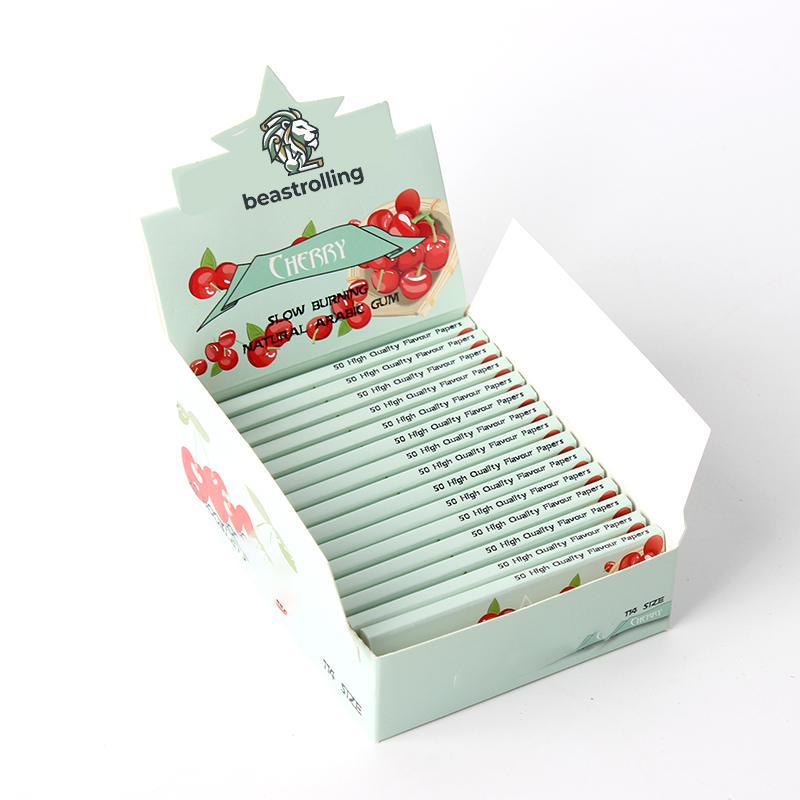
Airflow control is a critical factor in paper performance, affecting burn rate, flavor retention, and overall user satisfaction. When porosity increases, the paper becomes more porous, allowing greater air penetration during smoking. Conversely, tightly woven paper with lower porosity restricts airflow, resulting in slower, more controlled burns. Custom rolling papers must balance these factors to meet consumer expectations, and manufacturers investing in logo paper and smoking booklet designs must understand how porosity variations influence the final product quality and user experience.
Porosity in personalized paper describes the volume and configuration of microscopic spaces within the fiber matrix. These pores act as pathways for oxygen penetration, which is essential for sustained combustion. In custom rolling papers, the pore size distribution determines how quickly air can move through the material during smoking. Papers with uniform, well-distributed pores create consistent airflow, while irregularly distributed pores may result in uneven burning patterns and inconsistent smoking experiences.
The relationship between pore structure and burn characteristics is well-established in paper science. Lower porosity custom rolling papers require more effort to draw air through, creating a slower burn and extended smoking sessions. Higher porosity variants burn more rapidly because oxygen reaches the burning material more easily. Manufacturers of logo paper must carefully calibrate porosity during production to ensure their smoking booklet products deliver predictable performance that satisfies end users and maintains brand reputation.
Airflow resistance in custom rolling papers is quantified through permeability measurements, which indicate how readily air passes through the material. This metric is crucial for quality control in personalized paper manufacturing. Papers with high resistance burn slowly and cool, ideal for extended sessions, while low-resistance papers support faster combustion with warmer smoke profiles. Testing laboratories use standardized equipment to measure these properties, ensuring consistency across production batches of smoking booklet and logo paper products.
Fine-tuning porosity allows manufacturers to create custom rolling papers with specific burn characteristics tailored to market preferences. Regional markets show varying preferences for burn speed and smoke temperature, driving the need for diversified personalized paper offerings. Companies producing smoking booklet materials and logo paper designs must conduct rigorous airflow testing to verify that porosity variations remain within acceptable ranges and deliver the intended user experience.
The source materials used in custom rolling papers significantly influence final porosity characteristics. Flax, rice straw, wood pulp, and specialty plant fibers each contribute different fibrous structures that affect how pores form during the papermaking process. These materials vary in fiber diameter, cell wall composition, and natural resilience, creating inherent differences in how the paper develops its porous structure. Personalized paper manufacturers must select raw materials that align with their target porosity specifications to ensure consistency in their smoking booklet and logo paper product lines.
Processing techniques applied to these fibers directly impact pore distribution. Bleaching, beating, and pressing stages in papermaking modify the fiber structure and can either increase or decrease porosity. Custom rolling papers manufactured using gentler processing methods tend to maintain higher porosity, while mechanical treatments create denser, lower-porosity variants. Understanding these relationships enables manufacturers to develop personalized paper products that meet specific performance targets.
Chemical additives in custom rolling papers influence porosity through multiple mechanisms. Sizing agents reduce porosity by filling pores and strengthening fiber bonding, resulting in denser personalized paper with restricted airflow. Conversely, certain coating agents and slip modifiers can enhance perceived porosity or modify how air interacts with the paper surface. Manufacturers of smoking booklet and logo paper products carefully select additives to achieve desired porosity characteristics without compromising paper integrity or altering taste profiles.
The pH level of custom rolling papers also affects porosity development during manufacturing. Neutral pH formulations allow fibers to arrange more naturally, supporting higher porosity, while acidic conditions can promote denser fiber bonding and lower porosity. These chemical considerations are fundamental to producing consistent personalized paper products that deliver reliable airflow properties.
Optimal porosity in custom rolling papers represents a balance between several competing demands: adequate airflow for smooth smoking, sufficient burn rate control for session length, and structural integrity to prevent tearing during use. Personalized paper manufacturers must target porosity ranges that satisfy the broadest customer base while allowing for specialized variants. High-end smoking booklet products and premium logo paper offerings often feature precisely calibrated porosity to deliver superior performance compared to standard commercial options.
Market research consistently shows that consumers prefer custom rolling papers with moderate porosity that supports approximately 5-7 minute burning times. This range represents the user preference across most markets, making it an industry standard target. Manufacturers developing personalized paper and smoking booklet lines typically design their porosity specifications around this benchmark while offering variants for users with different preferences.
Quality assurance in custom rolling papers manufacturing requires continuous monitoring of porosity characteristics throughout production. Modern facilities employ advanced permeability testing equipment that provides real-time feedback on airflow properties, enabling immediate adjustments to maintain specification ranges. Each batch of personalized paper and logo paper products undergoes verification testing before packaging and distribution to ensure consistency.
Consistency in porosity across production runs is essential for maintaining brand trust and user satisfaction with custom rolling papers. Variations between batches can create noticeable differences in smoking experience, potentially driving consumers to competitor products. Advanced manufacturers implement statistical process control systems to track porosity metrics across thousands of production units, ensuring that all personalized paper, smoking booklet, and logo paper products meet established quality standards.
Paper thickness and porosity are distinct properties that both influence airflow but through different mechanisms. Thinner custom rolling papers allow more air penetration regardless of porosity, while thicker personalized paper with identical porosity may restrict airflow due to increased material depth. Quality smoking booklet and logo paper designs optimize both properties together to achieve desired burn characteristics. A thin, low-porosity paper and a thick, high-porosity paper might produce similar airflow, demonstrating that thickness and porosity must be considered in combination rather than isolation.
Yes, significant porosity variations in custom rolling papers produce noticeable differences in smoking experience that users can readily detect. Higher-porosity personalized paper creates lighter draw resistance and faster burn rates, while lower-porosity smoking booklet and logo paper require more effort to draw air and burn more slowly. These tangible differences influence user satisfaction, which is why manufacturers invest heavily in maintaining consistent porosity specifications across production batches.
Industry testing relies on standardized permeability measurement protocols adapted from paper science standards, which quantify airflow resistance through custom rolling papers under controlled conditions. Personalized paper manufacturers employ Gurley permeability testing and similar methods to verify that porosity remains within specification ranges. These objective measurements ensure consistency across all smoking booklet and logo paper production, providing manufacturers with documented evidence of quality and allowing consumers to trust that their chosen brand delivers reliable, predictable performance.