EN
EN

how-preroll-cones-maintain-structural-integrity-during-automated-filling, how-preroll-cones-maintain-structural-integrity-during-automated-filling, /news
EN
2026/09/09
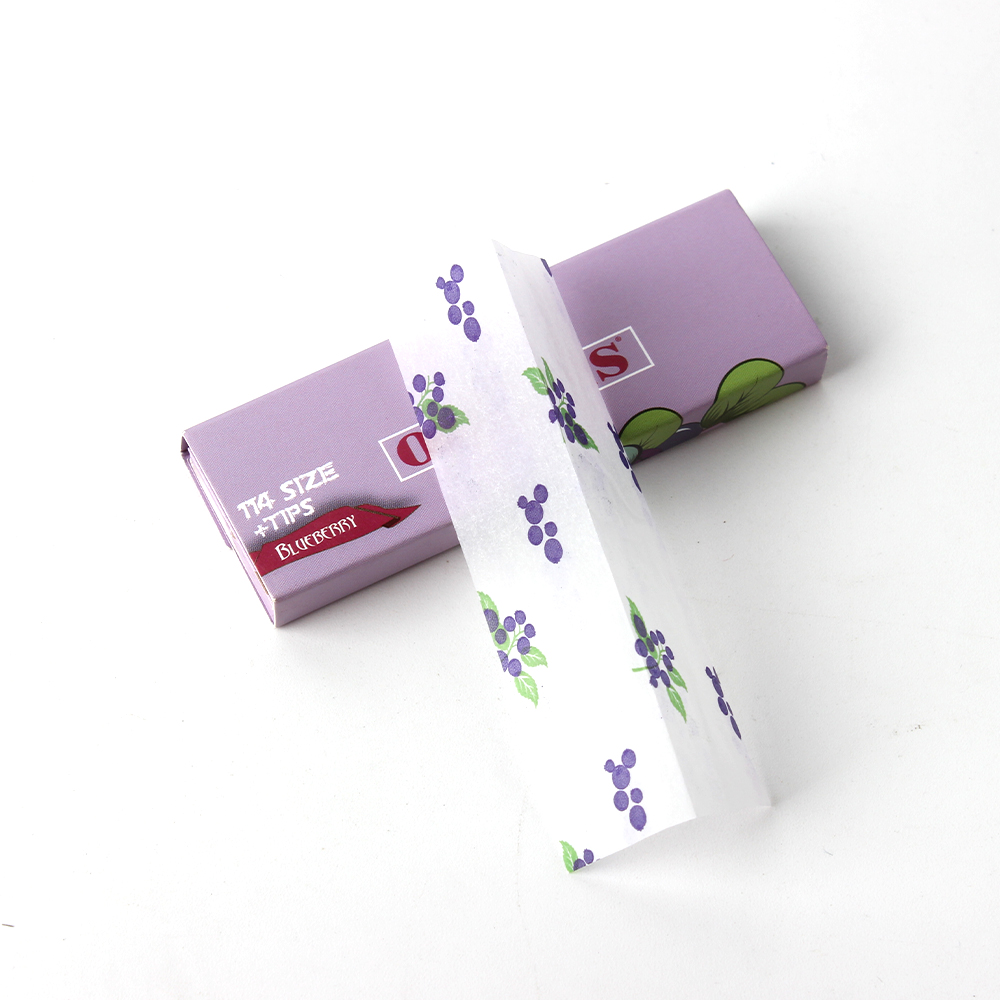
The cannabis and hemp industries rely heavily on efficient production systems, and pre-roll cones have become essential components in automated filling operations. As manufacturers scale production, maintaining the structural integrity of pre rolled cones during high-speed automated processes presents a significant engineering challenge. Pre-roll cones must withstand constant mechanical stress, pressure changes, and handling without cracking, deforming, or failing quality standards. Understanding how these components maintain their structural integrity is crucial for producers seeking reliable, efficient manufacturing workflows.

Modern automated filling equipment places demanding requirements on pre rolled cones, creating stress points that can compromise weaker designs. The structural performance of hemp rolling cones depends on multiple interrelated factors, including cone geometry, material composition, manufacturing precision, and moisture content. When these elements work together harmoniously, pre-roll cones can endure thousands of cycles without degradation. This article explores the specific mechanisms and best practices that enable pre-roll cones to maintain full structural integrity throughout demanding automated filling processes.
The fundamental geometry of pre-roll cones directly influences their ability to resist mechanical stress during automation. Professional pre rolled cones feature carefully engineered tapered shapes that distribute pressure more evenly than uniform-diameter tubes would. The gradual taper from the wide opening to the pointed tip creates natural stress distribution zones that absorb impact and pressure changes without concentrating force in vulnerable areas. Wall thickness consistency throughout the cone is equally critical; variations in thickness can create weak points where cracking initiates under mechanical loading.
Premium pre-roll cones typically maintain wall thickness between 0.08 and 0.12 millimeters, a range established through extensive testing in automated environments. This thickness provides sufficient structural support while remaining flexible enough to absorb vibration and pressure fluctuations. Thinner walls reduce material cost but significantly increase failure rates in automated systems. Conversely, excessively thick walls create rigidity problems that prevent the cone from flexing naturally, increasing the risk of sudden catastrophic failure rather than gradual degradation.
The cone tip represents a critical structural weak point because the material converges to a single point under stress. Advanced hemp rolling cones incorporate internal bracing elements near the tip that reinforce this vulnerable zone without adding external bulk. Some manufacturers incorporate a subtle internal ridge or spiral structure that channels stress along preferred pathways, directing mechanical forces away from the sharpest convergence point. The tip angle itself matters significantly; angles between 15 and 25 degrees provide optimal balance between puncture resistance and material efficiency.
The sealing mechanism at the tip must also withstand considerable pressure during automated filling. Pre rolled cones with reinforced tip seals maintain integrity through thousands of fills, whereas cones with standard tip closures often show degradation or leakage after several hundred cycles. The seal reinforcement typically involves a small collar of additional material that stabilizes the tip closure, preventing the thin pointed end from flexing excessively during pressurized filling operations.
The raw paper material used in paper cones manufacturing fundamentally determines structural performance under automated stress. High-quality pre-roll cones are typically manufactured from wood pulp papers with specific fiber characteristics that provide both strength and flexibility. The paper grade, typically ranging from 20 to 28 pounds in standard measurements, directly correlates with tear resistance and pressure tolerance. Premium paper cones manufacturing processes use virgin fiber combinations rather than recycled content, as virgin fibers maintain superior tensile strength and consistency batch to batch.
Paper treatment during manufacturing adds another critical layer of structural protection. Food-grade coating applications create a moisture barrier that prevents water absorption from filling material, which would otherwise soften the paper and reduce structural integrity over time. Sizing agents embedded in the paper matrix during production enhance fiber bonding, creating denser material that resists puncture and deformation. These treatments must be applied with precision; excessive coating adds weight and reduces flexibility, while insufficient coating leaves the paper vulnerable to moisture damage.
The rolling and forming process directly determines whether pre-roll cones will maintain structural integrity during automation. Industrial cone rolling equipment must maintain extremely tight tolerance controls throughout production; variations of even 0.02 millimeters in diameter or thickness can create stress concentration points that lead to failure. Temperature and humidity controls in the manufacturing facility are equally important, as fluctuating environmental conditions cause the paper to expand and contract during forming, introducing internal stresses that weaken the final product.
Precision paper cones manufacturing includes rigorous quality control checkpoints where every cone is tested for structural defects before leaving production facilities. Advanced manufacturers employ optical scanning systems that detect thickness variations, small cracks, and irregular seams that could compromise automation performance. The glue or adhesive used to seal the paper seam must bond immediately and completely; incomplete sealing creates a failure point where the cone can separate during high-pressure filling operations. High-performance adhesives used in professional cone manufacturing maintain bond integrity even when exposed to slight moisture or temperature variation.
Automated filling machinery applies controlled pressure to pre rolled cones as material is dispensed, creating dynamic stress patterns that evolve throughout each fill cycle. Well-designed pre-roll cones distribute this pressure gradually along the cone walls rather than allowing it to concentrate at any single point. The cone's flexibility allows it to accommodate slight deformation during peak pressure moments, then return to original shape once pressure releases. This elastic behavior prevents permanent deformation that would accumulate across thousands of fill cycles, degrading the cone toward eventual failure.
The interaction between cone geometry and filling speed directly affects structural integrity during automation. Slower fills allow pressure to distribute more gradually through the cone walls and material being dispensed, whereas rapid fills create sudden pressure spikes that stress the structure more severely. Manufacturers of hemp rolling cones that operate at high speeds have engineered slightly wider base diameters and more gradual tapers to accommodate faster filling without structural compromise. These specialized pre rolled cones maintain integrity even at filling rates that would destroy standard consumer-grade cones within a few cycles.
Beyond filling pressure, pre-roll cones must withstand repeated mechanical handling, positioning, and vibration inherent in industrial automation. Robotic pick-and-place systems move cones into filling stations, ejecting mechanisms remove filled cones, and conveyor systems transport them through post-production stages. Each handling event introduces vibrational stress and potential impact forces that can compromise structural integrity over time. Premium pre-roll cones incorporate a subtle flexibility that absorbs these mechanical stresses without visible deformation, similar to how a suspension system on industrial equipment reduces the impact of vibration.
The cone support point during automation also influences structural integrity significantly. Cones gripped too tightly near the base can be crushed or cracked by mechanical clamps, while cones held too loosely may shift and experience unexpected stress concentration. Professional automated systems are designed to support cones in their naturally strongest zones, typically one-third of the way up from the base, where material thickness and structural rigidity combine optimally. Manufacturers using premium pre rolled cones work with machine designers to ensure support points align with the cone's structural profile, maximizing both safety and operational efficiency.
Pre-roll cones typically fail during automation due to weak material quality, improper wall thickness, manufacturing defects in the seam, excessive moisture content, or mechanical stress concentration from improper handling. Additionally, cones with poor tip reinforcement often crack at the seal point under pressure. Using premium pre rolled cones manufactured with rigorous quality controls and properly supporting them in automated equipment prevents nearly all structural failures.
Professional paper cones manufacturing includes burst testing, puncture resistance measurement, tear strength evaluation, and pressure tolerance testing. Advanced manufacturers also conduct humidity cycling tests to verify moisture resistance and simulate thousands of automated fill cycles in test equipment. These comprehensive testing protocols ensure that pre-roll cones will perform reliably throughout their intended operational life in high-speed production environments.
Standard consumer-grade pre rolled cones are not designed for sustained automated filling and will experience significantly higher failure rates compared to industrial-grade hemp rolling cones. Consumer cones use thinner paper, standard adhesives, and less rigorous manufacturing controls. Industrial pre-roll cones incorporate enhanced materials, reinforced structures, and precision manufacturing that enable them to withstand thousands of automated cycles without degradation or structural compromise.