EN
EN

how-safe-foodgrade-inks-are-applied-to-custom-rolling-papers, how-safe-foodgrade-inks-are-applied-to-custom-rolling-papers, /news
EN
2026/09/28
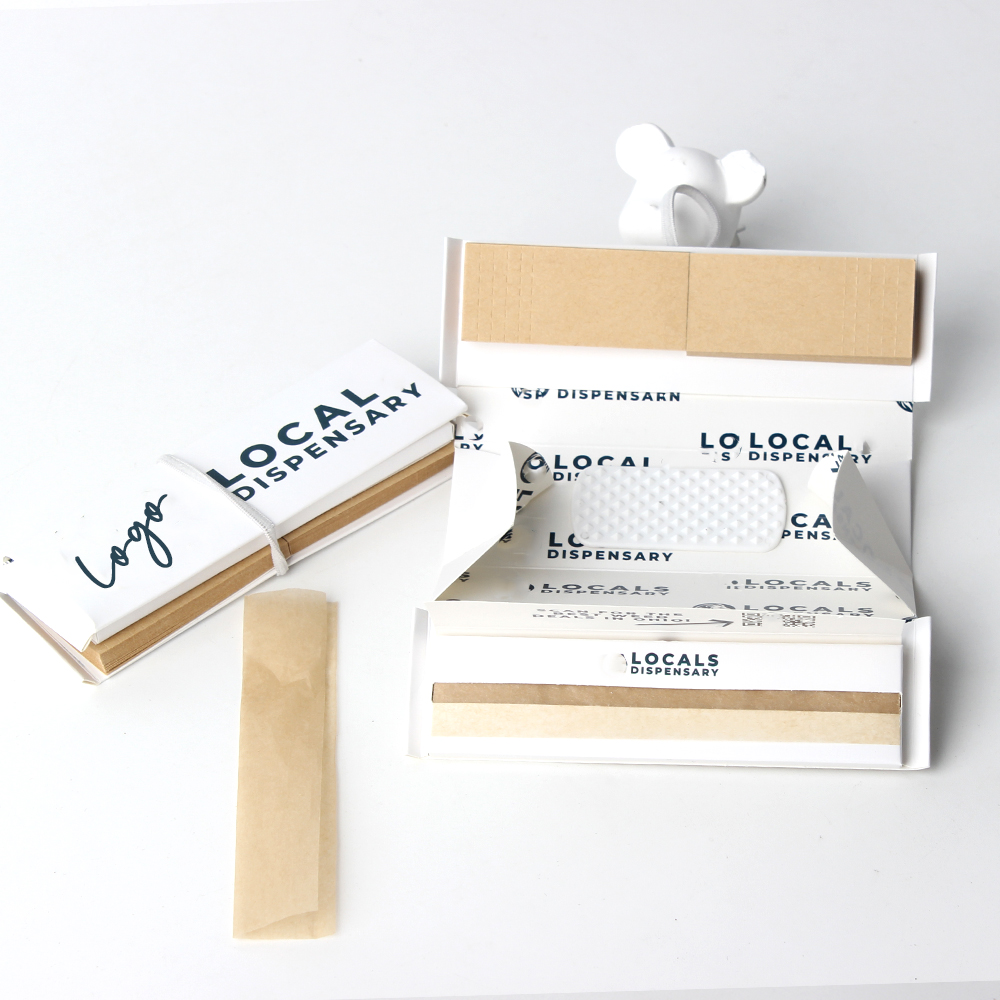
The production of custom rolling papers requires specialized knowledge about materials, inks, and safety protocols that go far beyond standard printing processes. When manufacturers create personalized rolling paper with logos, brand names, or custom designs, they must ensure that every component meets strict food-safety regulations. Food-grade inks represent a critical element in this process, as they come into direct contact with product consumers. Understanding how these inks are applied, what makes them safe, and why they matter is essential for businesses looking to produce branded papers that maintain both aesthetic appeal and consumer safety.
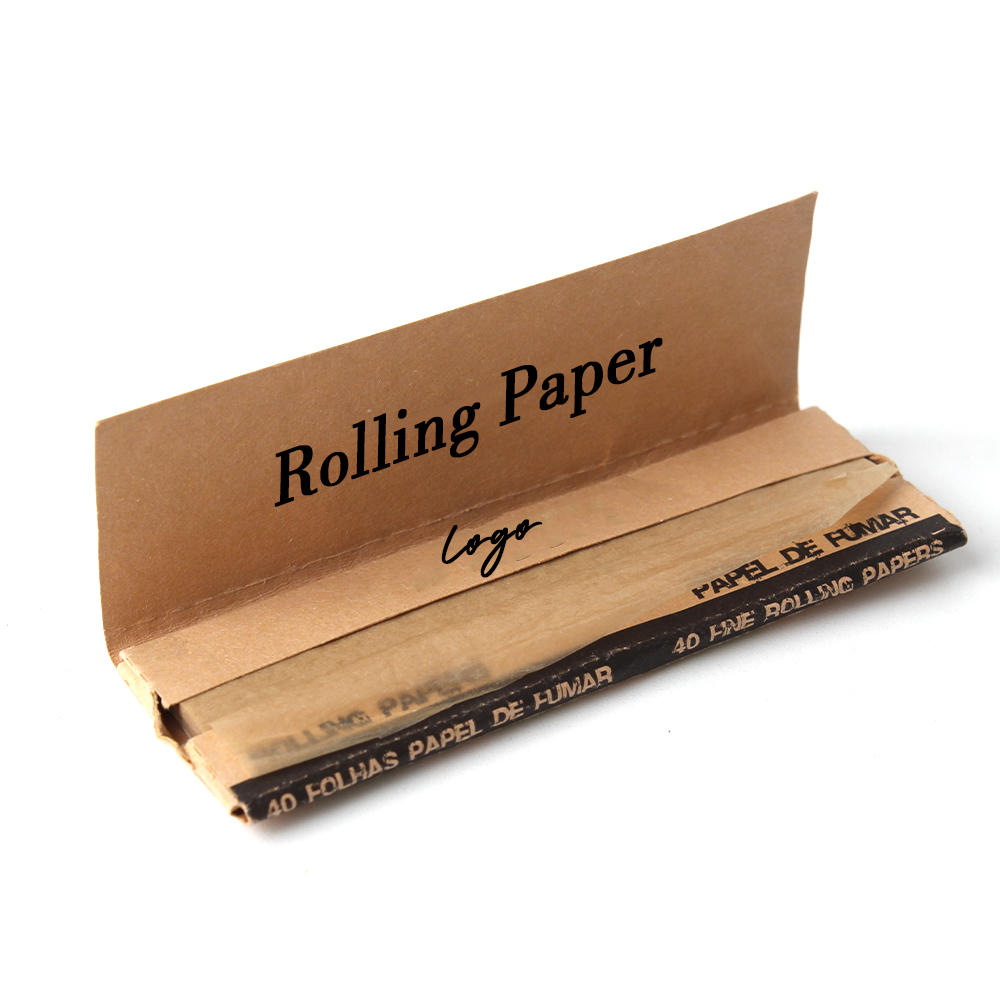
Food-grade inks are formulated differently than conventional printing inks used for paper packaging or commercial signage. These specialized inks contain no harmful solvents, heavy metals, or toxic compounds that could leach into products or create health risks when inhaled or ingested. The development of safe personalized rolling paper involves rigorous testing, certification processes, and adherence to regulations set by agencies like the FDA in the United States and equivalent bodies internationally. Manufacturers of branded papers must choose ink suppliers who can document compliance with these standards and provide transparent ingredient lists that prove safety across the entire supply chain.
Food-grade inks differ fundamentally from standard printing inks in their molecular structure and chemical formulation. These inks are engineered to be non-toxic, non-reactive, and resistant to migration, meaning they will not transfer to skin, lips, or other surfaces through moisture or friction. Custom printing on rolling papers requires inks that can adhere to thin, delicate paper substrates without affecting the burning characteristics or flavor of the product. Manufacturers of branded papers select inks that have passed rigorous migration testing, demonstrating that no component will leach from the paper under normal use conditions or when exposed to saliva, sweat, or body heat.
Every batch of food-grade ink used in personalized rolling paper production must carry certifications proving compliance with FDA regulations, EU Regulation 1935/2004, or equivalent international standards. These certifications confirm that the ink has been tested for heavy metals, volatile compounds, and potential allergens. Custom printing facilities maintain detailed documentation of ink batches, including safety data sheets and test reports from independent laboratories. This documentation creates an audit trail that protects both manufacturers and consumers, ensuring that branded papers meet all applicable health and safety requirements throughout their shelf life and use.
The application of food-grade inks to custom rolling papers typically employs flexographic or offset printing technologies, each with distinct advantages for different design requirements. Flexographic printing uses flexible relief plates and fast-drying food-grade inks, making it ideal for rapid production runs of personalized rolling paper with consistent color coverage. Offset printing, by contrast, provides superior image resolution and color fidelity, making it the preferred choice for complex branded papers featuring detailed logos or fine text. Both methods require careful calibration of ink viscosity, pressure, and drying temperatures to ensure that the food-grade ink bonds permanently to the paper while maintaining the structural integrity of the delicate rolling paper substrate.
Modern custom printing facilities increasingly use water-based or soy-based food-grade inks as safer alternatives to traditional solvent-based formulations. Water-based inks dry through evaporation and are inherently lower in volatile organic compounds, making them environmentally friendly while maintaining full compliance with food-safety standards. Soy-based inks offer similar benefits and often provide better color saturation on personalized rolling paper, creating more vibrant branded papers with excellent visual appeal. These plant-derived ink systems represent an evolution in the industry, allowing manufacturers to produce custom rolling papers that satisfy both consumer safety concerns and environmental consciousness.
Before branded papers reach consumers, they undergo comprehensive migration testing to verify that food-grade inks remain inert under foreseeable use conditions. These tests simulate exposure to saliva, heat, humidity, and other environmental factors that the custom rolling papers might encounter during storage and use. Laboratory technicians analyze paper samples using chromatography and spectrometry to detect any transfer of ink components to simulated food contact surfaces. Custom printing facilities that maintain the highest standards conduct multiple rounds of testing across different production batches, ensuring that every unit of personalized rolling paper meets established safety thresholds.
Beyond chemical testing, manufacturers of branded papers verify that food-grade inks do not alter the taste, aroma, or burning characteristics of the custom rolling papers. Sensory panels evaluate the product to confirm that the inks impart no detectable flavor or odor changes. Additionally, custom printing technicians verify ink compatibility with the specific paper composition, adhesive systems, and finishing processes used in personalized rolling paper production. This comprehensive approach ensures that the visual appeal of branded papers does not come at the expense of product performance or consumer experience.
Food-grade ink is essential for custom rolling papers because these products come into direct contact with lips and oral tissues during use. Standard printing inks contain solvents and additives that could pose health risks if inhaled or ingested, while food-grade inks are formulated specifically to be non-toxic and non-migratory, protecting consumer safety while allowing for vibrant branded designs on personalized rolling paper.
Manufacturers conduct migration testing by simulating real-world exposure conditions using saliva simulants, heat, and humidity to verify that no ink components transfer from personalized rolling paper to surfaces or oral tissues. These tests employ analytical techniques like chromatography and are repeated across multiple batches to ensure consistent compliance with FDA and international food-contact standards for custom printing applications.
Yes, modern water-based and soy-based food-grade inks used for personalized rolling paper printing deliver excellent color saturation and vibrancy comparable to traditional solvent-based inks. These eco-friendly alternatives meet all safety requirements while offering superior environmental performance, making them increasingly popular for producing high-quality branded papers without compromising visual impact or compliance standards.