EN
EN
how-to-approve-custom-cone-samples-before-mass-production, how-to-approve-custom-cone-samples-before-mass-production, /news
EN
2026/08/11
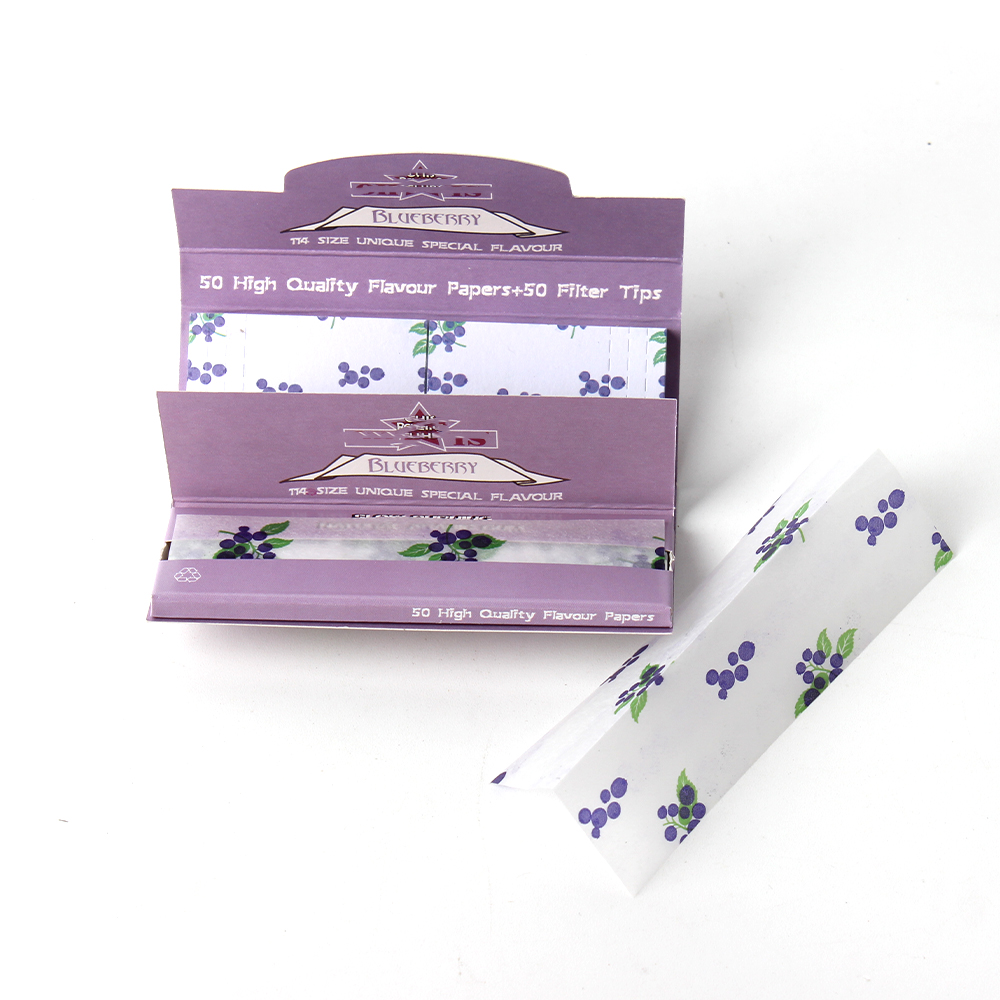
Approving pre rolled cones sample before mass production is a critical step that directly impacts your final product quality, brand reputation, and manufacturing timeline. This stage separates successful consumer-ready products from costly production failures. Understanding the complete approval workflow ensures your custom cones meet specifications, regulatory requirements, and customer expectations before committing to large-scale manufacturing.

The sample approval process is not simply a formality—it's your opportunity to validate material quality, production consistency, and adherence to design specifications. Every decision made during this phase affects cost efficiency, waste reduction, and your ability to scale successfully. This guide walks you through the essential steps, evaluation criteria, and decision checkpoints that transform initial samples into approved production prototypes.
Quality control begins the moment your first sample arrives. Pre rolled cones samples represent the manufacturer's interpretation of your specifications, materials, and design requirements. These samples serve as the baseline reference for all subsequent production batches. By thoroughly evaluating custom cones at the sample stage, you establish clear quality benchmarks and prevent systematic defects from reaching your supply chain or customers.
The sample approval process also identifies potential manufacturing challenges early. Issues like material brittleness, inconsistent rolling tension, coating adhesion problems, or dimensional variations become apparent during sample evaluation. Addressing these concerns before mass production begins protects your investment and prevents expensive rework or product recalls.
Many manufacturers rush through sample approval to accelerate time-to-market, but this approach typically results in longer delays. When undiscovered defects reach full-scale production, halting the line for corrections creates far greater delays than thorough upfront sample review. Mass production errors also involve waste across thousands of units, dramatically increasing costs and timelines. Strategic sample approval actually compresses your overall schedule by catching problems when they're easiest and cheapest to fix.
Start by checking the raw material of your custom cones. Confirm that the paper source, thickness, finish, color, texture, and opacity match your approved specifications. Check multiple samples for consistency and look for wrinkles, soft spots, or brittleness that could affect handling. Variations may indicate supplier or process control issues that could worsen during mass production.
Next, run dimensional tests on approved samples using calipers or gauges. Measure the outer and inner diameters, length, and wall thickness at multiple points. Consistent measurements within the specified tolerance indicate stable production. Significant variations suggest that production parameters need adjustment before mass production is approved.
The sealing process is where most cone manufacturing defects occur. Examine the glued seam along the cone's length under bright light and magnification if available. The seam should be straight, uniform in width, and fully bonded without gaps or bubbles. Apply gentle flexing pressure to test seal strength—the seam should not separate or crack. Weak seams fail during transport, storage, and consumer handling, directly damaging your brand reputation.
Check the cone's base closure quality during sample approval evaluation. The base should be tightly sealed without loose paper edges or gaps where product could escape. Test the base by attempting to separate it slightly—it should resist opening with moderate pressure. A well-sealed base protects against moisture ingress, microbial contamination, and product degradation during storage.
If your custom cones are designed for specific packaging, machinery, or filling equipment, conduct fit tests during sample approval. Attempt to fill a sample with your product using your standard equipment. Verify that the cone accommodates your volume target without overfilling or creating structural stress. Test whether samples fit properly into your intended packaging or display cases. Dimensional mismatches discovered after mass production approval require expensive line stoppages and could delay market launch.
Define your sample approval standards in writing before samples arrive. Specify acceptable tolerances for dimensions, color, seams, material properties, and functional requirements. Use a simple pass/fail checklist to reduce subjective judgment, avoid supplier confusion, and prevent disputes. Share the criteria with your manufacturing partner to ensure alignment.
Also, specify the number of samples required for testing. Testing at least 30–50 units provides better statistical reliability, while custom cone manufacturing may require more. Multiple samples can reveal consistency issues that single units may miss. Include the sample quantity and testing scope in your purchase agreement to avoid misunderstandings.
Keep a testing log for each sample, recording measurements, observations, pass/fail results, and defects. Photos of seams, bases, and measurements provide lasting evidence for approval decisions and future production discussions.
When possible, test samples under realistic storage and use conditions. Expose them to expected temperature and humidity ranges and check for brittleness, softening, or changes in glue and coating stability. These stress tests can reveal material limitations that standard checks may miss and help prevent quality issues after mass production.
After completing your sample approval testing, you face three possible outcomes: full approval, conditional approval with corrections, or rejection requiring redesign. Full approval means samples meet or exceed every acceptance criterion and you're ready for mass production. Conditional approval means minor cosmetic issues exist but core functionality and quality are acceptable, or that the manufacturer must implement specific corrective actions before production launch. Rejection means fundamental flaws require redesign or supplier change before you proceed.
Communicate your decision clearly and in writing to your manufacturing partner. For conditional approvals, specify exactly what corrections are needed, provide samples showing your expectations if possible, and set a timeline for resubmission. For rejections, explain the specific deficiencies preventing approval and discuss whether the supplier can address them. Clear communication during sample approval prevents misunderstandings that delay production and damage supplier relationships.
Engage your manufacturing partner as a collaborator rather than adversary during sample approval stages. Many suppliers have extensive experience with custom cones and can suggest material or process refinements that improve quality. Sharing your acceptance criteria early allows them to adjust their testing and quality control before sending samples. This collaborative approach often produces better results faster than adversarial inspection models.
Request that suppliers provide their own quality documentation with samples—material certificates, process control data, testing records, and calibration documents. This transparency demonstrates manufacturing competence and helps you understand any deficiencies. Suppliers confident in their quality processes eagerly provide this documentation. If a supplier resists providing quality records during sample approval, that reluctance itself signals potential reliability concerns.
Never approve samples based on visual inspection alone. Pre rolled cones samples that look acceptable may have hidden structural weaknesses, material inconsistencies, or seal failures that destructive testing would reveal. Comprehensive testing catches defects early. Similarly, avoid approving samples without testing compatibility with your specific equipment, packaging, or product. Fit verification is your responsibility, not the supplier's, during the sample approval stage.
Don't let cost pressure lead to premature approval. Rejecting poor samples may cost more upfront, but it can prevent much larger losses during mass production. Stand firm on your quality standards, as manufacturers are more likely to adjust their processes to meet clear requirements. Compromising on sample approval often leads to ongoing quality issues and supply chain problems.
Industry standard practice typically involves requesting fifty to one hundred sample units for pre rolled cones sample testing and quality control verification. The exact quantity depends on your production volume, product complexity, and risk tolerance. Larger quantities provide better statistical reliability and reveal consistency problems that smaller samples might miss. Always request sufficient sample approval quantities to test across multiple evaluation categories and stress conditions without exhausting your test stock.
Document the specific failures with photographs and measurements, then communicate your findings to the supplier in writing. Request corrective action with a clear deadline for resubmission of samples. Specify whether you're requesting minor adjustments or complete redesign. Many manufacturers can address common sample approval issues through process refinement. However, if resubmitted samples continue failing quality standards, consider switching suppliers rather than compromising your mass production quality expectations.
Plan for two to four weeks minimum to conduct thorough sample approval evaluation and testing, depending on your custom cones complexity and testing scope. This timeline includes initial sample receipt, baseline testing, stress testing, potential supplier communication about corrections, and final approval documentation. Rushing this phase to accelerate mass production launch frequently creates worse delays when defects emerge after full-scale manufacturing begins. Allocate realistic time for sample approval in your overall project schedule.