EN
EN

how-to-approve-preroll-cone-and-filter-tip-samples-as-one-system, how-to-approve-preroll-cone-and-filter-tip-samples-as-one-system, /news
EN
2026/09/28
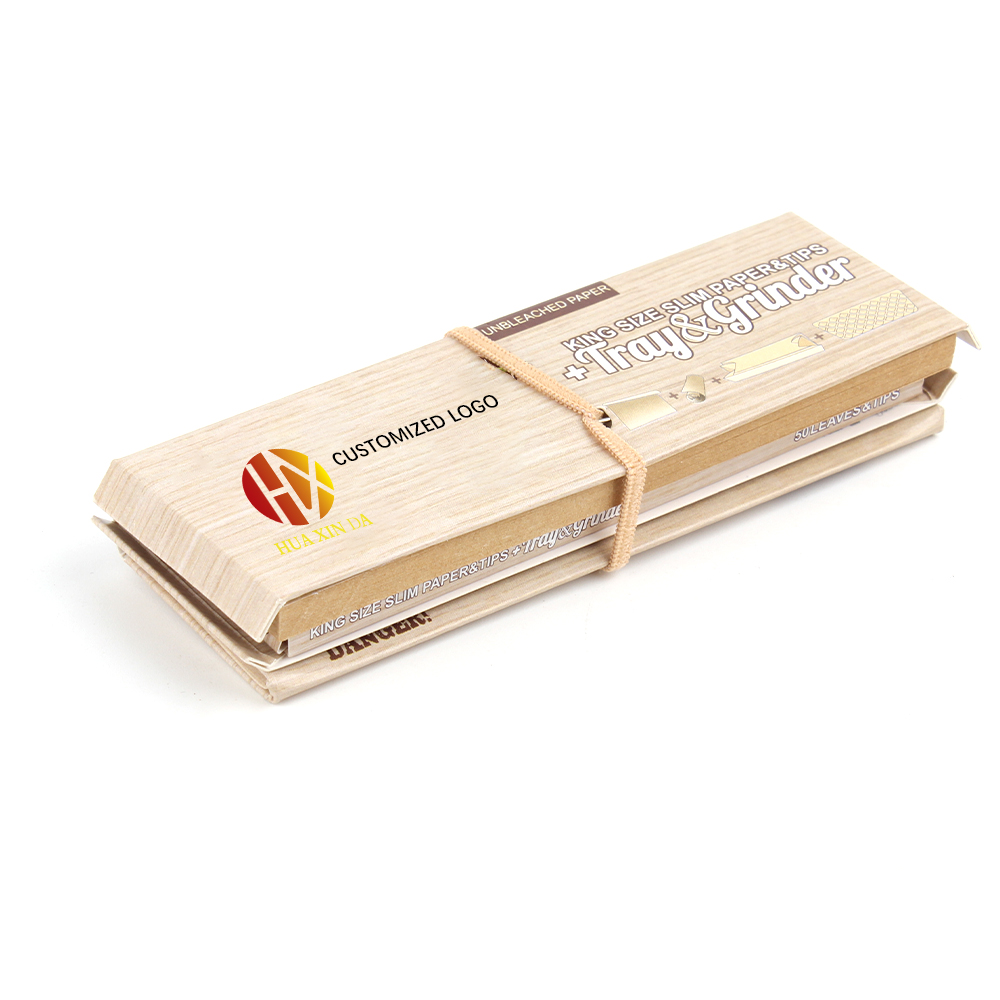
Approving pre roll cones with filter tips sample as a unified system represents a critical operational shift in modern manufacturing. Rather than evaluating the cone and tip as separate components, integrating them into a single approval workflow streamlines quality control, accelerates time-to-market, and ensures consistent end-user experience. This integrated approach is particularly important for OEM production facilities that need to maintain strict quality standards while managing complex supply chains and production schedules efficiently.

The distinction between traditional sequential approval and integrated system approval lies in methodology and risk management. Conventional approaches evaluate cones separately, then filter tips independently, creating gaps where interface issues, dimensional misalignment, or material compatibility problems can slip through. An integrated sample approval process addresses these vulnerabilities by testing the cone and tip assembly together, verifying fit, function, and performance as a complete unit before OEM production commences.
Sample approval in modern manufacturing requires more than component-level inspection. When you evaluate pre roll cones with filter tips sample together, you establish a baseline that reflects real-world conditions. The cone and tip must work in harmony: the tip must seat securely without dimensional interference, the combined structure must withstand handling stresses, and material interactions must pose no chemical or physical concerns. This holistic evaluation framework prevents costly rejections after full-scale OEM production has begun.
Quality control protocols that treat the cone and tip as an integrated assembly identify critical failure modes early. For example, a cone dimension that passes standalone inspection might create excessive friction when paired with a specific filter tip geometry, compromising usability and customer satisfaction. By requiring sample approval of the complete assembly, manufacturers eliminate this hidden risk before it reaches production floors or end consumers.
Sample approval requires establishing clear metrics that reflect system performance rather than individual component specifications. Dimensional accuracy, material compatibility, adhesive strength at joints, and functional integration all become measurable checkpoints. OEM production teams must verify that the cone and tip maintain consistent assembly tolerances across production batches, that any adhesives or coatings function properly at assembly interfaces, and that the combined weight and structure meet end-use requirements. These metrics drive the sample approval decision and inform ongoing quality control procedures.
Effective sample approval begins with thorough documentation of reference standards. Manufacturers should establish written specifications that define acceptable dimensions, material properties, assembly methods, and performance benchmarks for the cone and tip assembly. This documentation becomes the foundation for all future quality control decisions and supplier communication. When OEM production partners understand the exact criteria for sample approval, they can align their processes accordingly and reduce approval cycles through fewer revision rounds.
Creating detailed assembly drawings and technical specifications that show how the cone and tip interact is essential. These documents should include tolerance ranges, surface finish requirements, adhesive specifications if applicable, and any stress or performance tests required for sample approval. Having this baseline established before sample submission ensures that evaluators apply consistent standards and that suppliers understand exactly what constitutes acceptable quality.
Sample approval testing must be reproducible and aligned with intended use. For pre roll cones with filter tips sample evaluation, this typically includes dimensional verification using precision measurement tools, visual inspection under controlled lighting, functional assembly and disassembly tests, and any application-specific performance assessments. The cone and tip should be tested as an integrated unit under conditions that simulate actual handling, storage, and use scenarios. Testing protocols should be documented step-by-step so that each approval round produces comparable, defensible results.
Acceptance criteria must be objective and clearly stated before testing begins. Rather than subjective judgments, manufacturers should define pass-fail thresholds for each metric: dimensions must fall within specified tolerances, adhesive joints must withstand specified pull forces, and assembly must be achievable within defined time parameters. When these criteria are transparent, sample approval becomes a technical process rather than a negotiation, improving efficiency and supplier confidence.
Once sample approval is granted, the transition to full-scale OEM production requires systematic verification that approved specifications are maintained in high-volume manufacturing. Statistical process control methods should monitor cone and tip dimensions, assembly consistency, and material properties across production batches. Quality control personnel should conduct periodic re-testing of production samples to confirm that the cone and tip assembly continues to meet approval standards. This ongoing monitoring prevents quality drift that can occur when production volumes increase or when suppliers introduce subtle process changes.
Supplier communication is critical during this transition phase. OEM production partners need clear guidance on approved materials, dimensional tolerances, assembly techniques, and quality control checkpoints. Regular audits of supplier facilities, combined with statistical monitoring of incoming components, ensure that the cone and tip samples submitted during approval represent what suppliers deliver in high-volume production. When discrepancies appear, corrective action protocols should be triggered immediately to prevent defective units from reaching manufacturing floors.
Sample approval is not a one-time event; it establishes a baseline that manufacturers may need to update as business requirements evolve. If production efficiency improvements, cost optimization opportunities, or new material innovations emerge, the cone and tip assembly may require re-evaluation. New suppliers entering the supply chain should submit their own samples for approval rather than assuming that previous approvals apply universally. This disciplined approach ensures that quality standards remain consistent even as the supply base or manufacturing methods change.
Feedback loops from production and end-user experience should inform whether approved specifications require adjustment. If OEM production reveals assembly challenges with approved cone and tip combinations, or if customer feedback indicates performance issues with the integrated system, quality teams should investigate whether approval criteria need refinement. This continuous improvement mindset treats sample approval as an evolving standard rather than a static checkpoint, supporting long-term operational excellence.
Unified approval reduces the risk of interface failures that can emerge only when components are assembled together. By evaluating the cone and tip as an integrated unit, manufacturers identify dimensional misalignment, material compatibility issues, and functional integration problems before OEM production begins. This proactive approach prevents costly production delays and customer dissatisfaction while improving supply chain efficiency.
Sample approval testing should include dimensional verification using precision measurement, visual inspection for material quality and finish, assembly and disassembly testing to confirm fit and function, and application-specific performance tests such as stress resistance or durability under intended use conditions. The exact test suite depends on end-use requirements and should be documented before sample submission so suppliers understand approval expectations clearly.
Regular re-testing should occur whenever suppliers change materials, processes, or production facilities, and periodically during normal production operations using statistical process control methods. At minimum, samples should be re-tested at the beginning of each major production run and whenever quality metrics suggest drift from approved specifications. This disciplined monitoring ensures that quality standards remain consistent and that the cone and tip assembly continues to meet original approval criteria throughout the product lifecycle.