EN
EN

how-to-build-a-privatelabel-cone-and-filter-tip-specification, how-to-build-a-privatelabel-cone-and-filter-tip-specification, /news
EN
2026/09/30
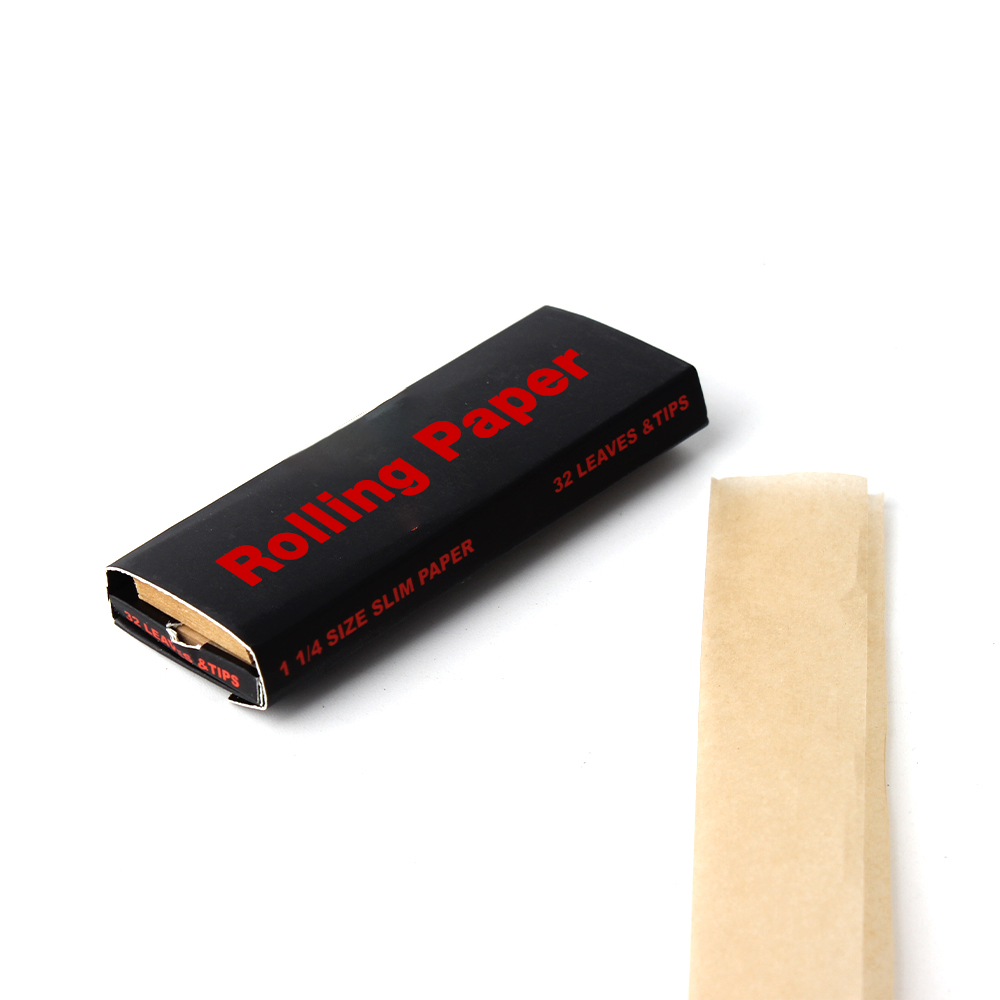
Creating a successful Pre-Roll Cones with Filter Tips product line requires careful planning and a comprehensive understanding of what your customers expect. Whether you're launching a private label brand or expanding your existing portfolio, building the right specification is foundational to product quality, customer satisfaction, and market differentiation. The process involves defining precise dimensions, material properties, and functional requirements that will guide manufacturers and ensure consistency across production batches.
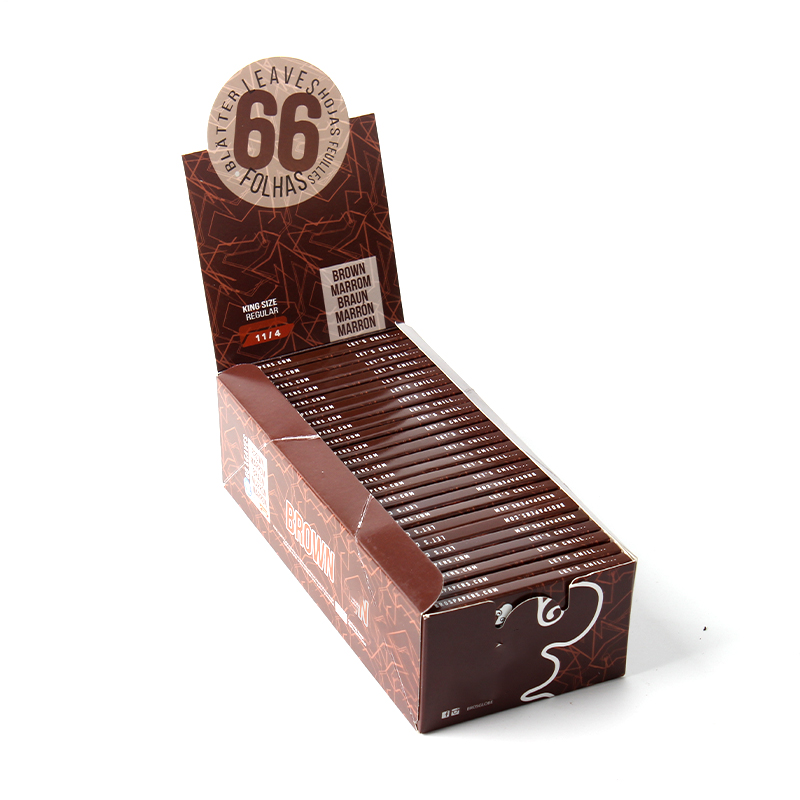
Developing a private label specification sheet is not just about listing technical details; it's about translating market demand and brand vision into actionable manufacturing guidelines. A well-structured specification protects your interests, minimizes production errors, and ensures that every product bearing your brand meets your quality standards. This guide walks you through the essential components of creating a robust private label cone and filter tip specification from initial concept to final documentation.
Cone dimensions form the backbone of your private label product. Standard pre-roll cone sizes range from king-size to slim, and each carries specific measurements that affect rolling experience, paper weight, and burn characteristics. Your specification sheet must document the exact diameter at the base, the taper angle, the total length, and the wall thickness of the cone material. These cone dimensions should reflect your target market's preferences and the manufacturing capabilities of your chosen supplier. Precision in measuring and specifying these elements prevents costly tooling errors and production delays.
When specifying cone dimensions, consider both the capacity you want to deliver and the aesthetic proportion that appeals to your audience. A king-size cone typically measures around 110mm in length with a base diameter of approximately 20mm, though custom sizes exist. Document these measurements in millimeters with tolerances that reflect realistic manufacturing precision. Include visual diagrams showing the cross-section and full profile, as visual references reduce ambiguity and prevent misinterpretation during production setup.
The filter component is increasingly critical in private label pre-roll products. Your filter specs should specify the material composition, thickness, density, and airflow characteristics. Filter materials commonly include cellulose acetate, paper, or specialty blends designed to provide smooth airflow while removing particulates. Define whether filters are attached or separate, and if attached, specify the adhesive type and application method. Material sourcing and filter specs directly impact the perceived quality and functional performance of your product.
Document the filter tip's diameter, length, and firmness grade. These parameters affect how easily the filter seats in the cone and how smoothly the consumer can draw from the final rolled product. Include specifications for any branding or texture elements on the filter. Quality control tolerances for filter specs must be realistic yet tight enough to maintain consistency. Suppliers will use these specifications to maintain production standards across batches.
Your private label specification sheet should be organized into clear sections covering materials, dimensions, performance standards, and quality checkpoints. Start with an executive summary identifying the product name, version number, and effective date. Follow with detailed sections for cone materials, cone dimensions, filter specs, packaging requirements, and inspection criteria. This structure ensures that every stakeholder—from your supplier to quality control teams—understands expectations uniformly.
Include material specifications such as paper weight (GSM), opacity, finish type, and sustainability certifications if applicable. Document any special features like terpene resistance, moisture barriers, or eco-friendly treatments. For private label products, clearly specify brand markings, color requirements, and any custom printing or embossing details. Assign responsibility for testing and approval at each production milestone. A thorough specification sheet reduces disputes and sets clear success criteria.
Define quality acceptance criteria that your private label cones must meet. These standards should cover visual inspection requirements such as color uniformity, print clarity, and structural integrity. Establish numerical tolerances for cone dimensions and filter specs, specifying how measurements will be taken and recorded. Include functional testing protocols like roll-ability assessments, filter airflow tests, and burn-rate evaluations if relevant to your market.
Document sampling procedures for batch approval, specifying how many units will be tested and which parameters trigger batch rejection. Include acceptance thresholds for defects such as tears, misalignment, or filter issues. Reference relevant industry standards or third-party certifications that apply to your product. Testing protocols protect both you and your supplier by establishing objective, measurable success criteria.
Once your specification is complete, the next phase involves partnering with a manufacturer capable of executing your private label vision. Share your specification sheet early and request samples based on your detailed requirements. Cone dimensions and filter specs must be validated through physical prototypes before full production. Most suppliers will offer sample runs at a premium to verify that their equipment and processes can consistently meet your specifications.
Request that your supplier provide production documentation showing how your private label specification translates into actual manufacturing steps. This transparency helps identify potential issues early. Discuss tolerance ranges and clarify which cone dimensions are absolute versus which have acceptable variation. Confirm that filter specs can be sourced reliably and that backup suppliers exist for critical materials. Regular communication with your supplier strengthens the partnership and improves long-term consistency.
Your private label specification should evolve as market feedback arrives and production data accumulates. Establish a review cycle to assess whether your cone dimensions and filter specs are meeting customer expectations and manufacturing realities. Monitor complaint data, return rates, and quality metrics to identify areas for improvement. Update your specification document version number each time significant changes occur and communicate updates to your supplier and internal teams.
Build feedback loops with customers and retailers to understand how your private label product performs in the field. Ask for input on cone dimensions, filter performance, and overall user experience. Use this intelligence to refine your specification for the next production run. Continuous improvement ensures your private label remains competitive and that you capture market intelligence that benefits future product iterations.
A comprehensive private label specification sheet should include detailed cone dimensions (length, diameter, wall thickness, taper angle), material type and weight, filter specs (material, thickness, size, attachment method), color and branding requirements, quality acceptance criteria, testing protocols, packaging details, and batch approval procedures. Include tolerances for all measurable parameters and visual diagrams showing cross-sections and dimensions. The specification should be clear enough that a new manufacturer could produce consistent products using only the document.
Cone dimensions directly determine capacity, burn rate, rolling ease, and user experience. Incorrect diameter or taper angles make rolling difficult or inconsistent. Length variations affect portability and perceived value. Wall thickness influences product durability and burn characteristics. Well-defined cone dimensions ensure that every unit delivers the same consistent experience, building brand loyalty. Ambiguous or loose specifications lead to batch-to-batch variation, customer dissatisfaction, and higher quality control costs.
Communicate filter specs through written documentation, technical drawings, and physical sample references. Specify exact material composition, thickness in millimeters, diameter, length, and any special features like firmness grade or branding. Request that suppliers provide sample units matching your filter specs for your approval before bulk production. Include acceptance criteria for filter performance such as airflow resistance and filtration efficiency. Include backup supplier contacts and material sourcing details to avoid supply chain disruptions due to unclear filter specifications.