EN
EN
how-to-choose-a-preroll-cone-factory-for-custom-projects, how-to-choose-a-preroll-cone-factory-for-custom-projects, /news
EN
2026/08/04
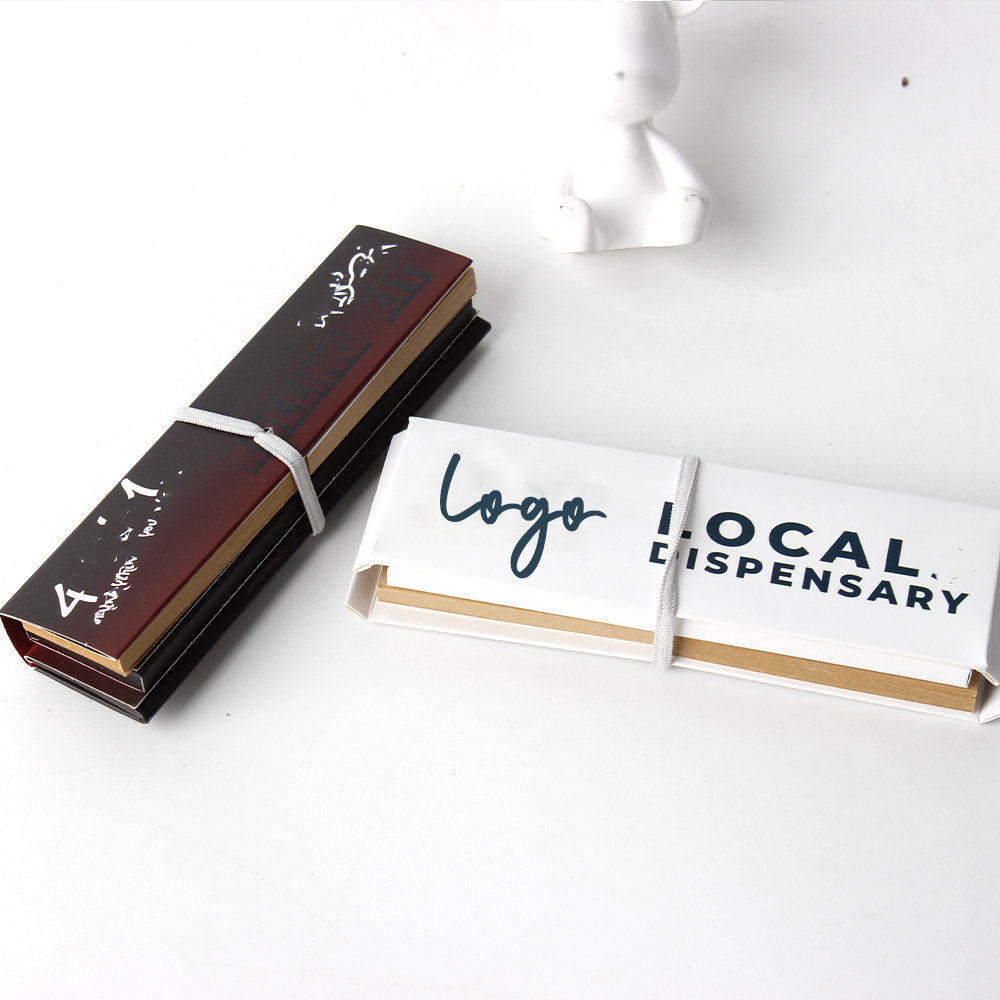
Selecting the right pre rolled cones factory is a critical business decision that directly impacts product quality, delivery timelines, and customer satisfaction. Whether you're launching a new brand or scaling an existing product line, the factory you partner with will influence everything from material consistency to packaging standards. Understanding what to evaluate ensures you secure a reliable supplier capable of meeting your custom cones specifications without compromising on excellence or cost efficiency.
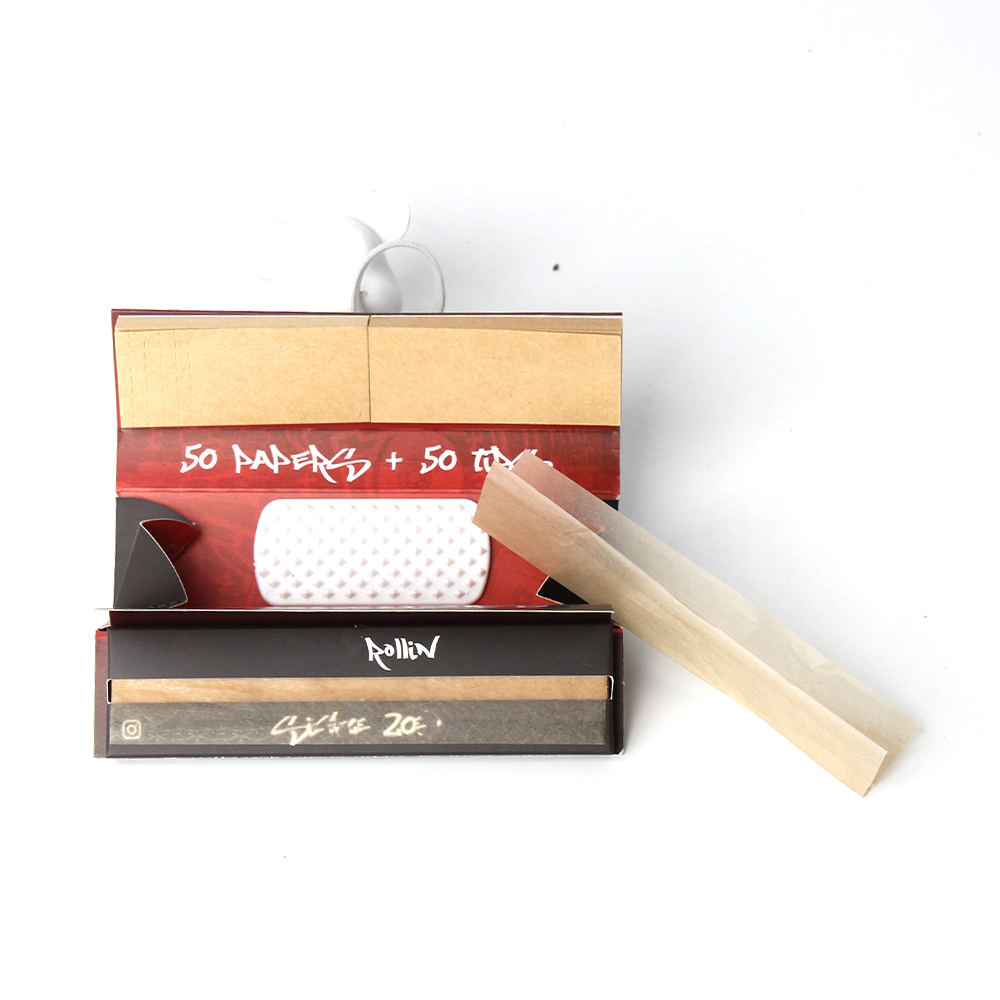
The process of identifying and vetting a pre-rolled cones factory requires systematic evaluation across multiple dimensions. You must assess factory capability, understand their production capacity limits, request sample testing protocols, and verify their track record with similar custom projects. A thorough selection process protects your investment and establishes a foundation for long-term business growth.
Factory capability encompasses the technical skills, equipment sophistication, and material knowledge required to produce high-quality custom cones. Leading facilities maintain modern rolling machinery, precision cone-forming equipment, and quality control systems that ensure consistency across production runs. When evaluating a potential supplier, examine their equipment specifications, certifications, and certifications related to food-contact materials or smoking product standards. A factory with strong capability invests continuously in process improvement and maintains detailed documentation of manufacturing standards.
Ask potential factories about their experience with your specific cone specifications, including diameter, length, paper type, and any custom branding or printing requirements. Factory capability also includes their ability to source premium materials, maintain strict humidity and temperature controls during production, and implement quality checkpoints throughout the manufacturing workflow. Request references from other brands they have served and inquire about their average defect rates or rejection criteria.
A capable pre-rolled cones factory should offer design consultation and customization flexibility beyond basic cone production. This includes assistance with custom cones branding, logo placement, paper selection, and packaging design that aligns with your brand identity. Evaluate whether the factory has an in-house design team or partnerships with graphic designers who understand smoking product aesthetics and regulatory labeling requirements. Strong factories provide mock-ups, design revisions, and professional guidance to help you achieve your vision while maintaining manufacturing feasibility.
Production capacity defines the volume of custom cones a factory can manufacture within a specified timeframe. Before committing to a partnership, clarify the factory's monthly or annual output limits, current workload commitments, and flexibility to accommodate rush orders or seasonal demand spikes. A factory with adequate production capacity can handle your anticipated order volumes without sacrificing quality or extending lead times unexpectedly. Request written capacity statements and confirm whether they operate multiple production shifts or have backup machinery to manage peak demand periods.
Understanding production capacity also means discussing scalability. As your brand grows, your supplier must demonstrate the ability to increase output without quality degradation. Ask whether the factory can support 25 percent, 50 percent, or 100 percent production increases within reasonable notice periods. Verify their raw material sourcing network to ensure they can secure sufficient paper, adhesive, and other inputs to support your growth trajectory without supply chain disruptions.
Lead times directly affect your inventory planning and market responsiveness. Typical pre rolled cones factory lead times range from two to eight weeks depending on order complexity, customization level, and current production schedules. Request detailed lead time estimates broken down by phase: design approval, setup, production, quality inspection, and shipping. A reliable factory provides written lead time commitments and maintains transparent communication about any delays or scheduling challenges. Inquire about their shipping methods, whether they offer expedited options, and whether they have logistics partnerships that provide tracking and insurance for shipments.
Sample testing is essential before committing to full production orders. Request that your potential factory produce a test batch of custom cones using your exact specifications, branding, and materials. Examine the samples for cone consistency, paper quality, adhesive strength, burn characteristics, and branding clarity. Quality sample testing reveals whether the factory truly understands your requirements and possesses the technical precision to execute at scale. Pay particular attention to factors like cone diameter uniformity, airflow during use, and any visual or functional defects that might compromise customer experience.
A professional pre-rolled cones factory should offer complimentary or low-cost samples before you place production orders. This demonstrates their confidence in their capabilities and gives you objective evidence of what you can expect from full production runs. During sample testing, involve end users or brand stakeholders who can provide feedback on performance, aesthetics, and perceived quality compared to competitive products in the market.
Inquire about the factory's quality assurance procedures, including inspection frequency during production, automated defect detection systems, and final batch testing before shipment. A rigorous quality control process includes dimensional verification, paper integrity checks, adhesive bond strength testing, and packaging accuracy reviews. Ask whether the factory provides quality certificates or test reports documenting compliance with your specifications for each production batch. Understanding their quality standards protects you from receiving substandard product that could damage your brand reputation or lead to customer returns and complaints.
Prioritize equipment quality, material sourcing expertise, design support, and certifications specific to smoking products or food-contact standards. Verify that the factory has experience producing custom cones similar to your specifications and can provide references from established brands they currently supply.
Request written capacity documentation, current utilization rates, and scalability plans. Confirm they can accommodate your anticipated order volumes without compromising lead times or quality, and verify their ability to support future growth as your business expands.
Sample testing reveals whether the factory truly understands your specifications and can execute at the quality level you require. It allows you to evaluate cone consistency, branding accuracy, material quality, and functional performance before committing to large production volumes and significant investment.