EN
EN
how-to-choose-a-preroll-cone-factory-for-privatelabel-products, how-to-choose-a-preroll-cone-factory-for-privatelabel-products, /news
EN
2026/08/14
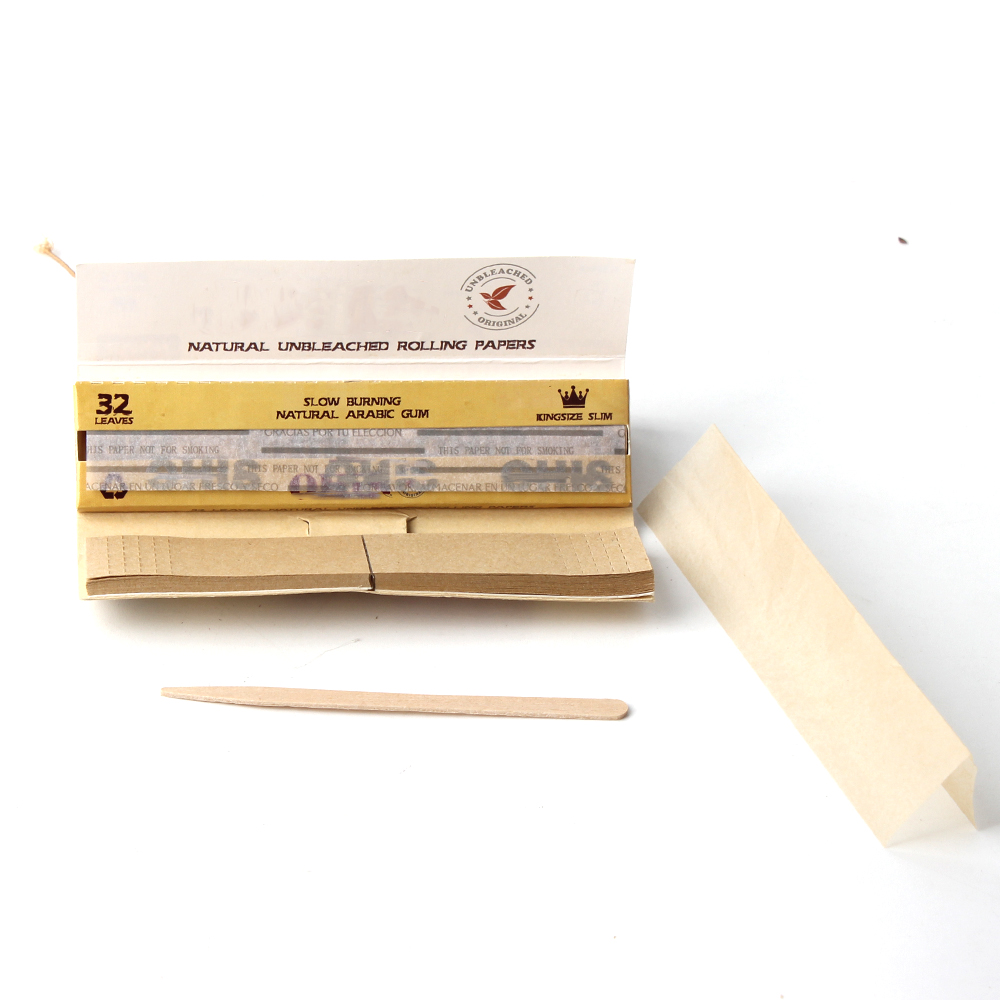
Selecting the right pre rolled cones factory is one of the most critical decisions for businesses developing private label products. Whether you are launching a new smoking accessories brand or expanding an existing product line, partnering with the right cone factory can determine your success in a competitive market. The factory you choose will directly influence product quality, consistency, delivery timelines, and your overall brand reputation. Understanding the key factors that separate reliable cone factories from mediocre suppliers will help you make an informed decision that supports your business growth.
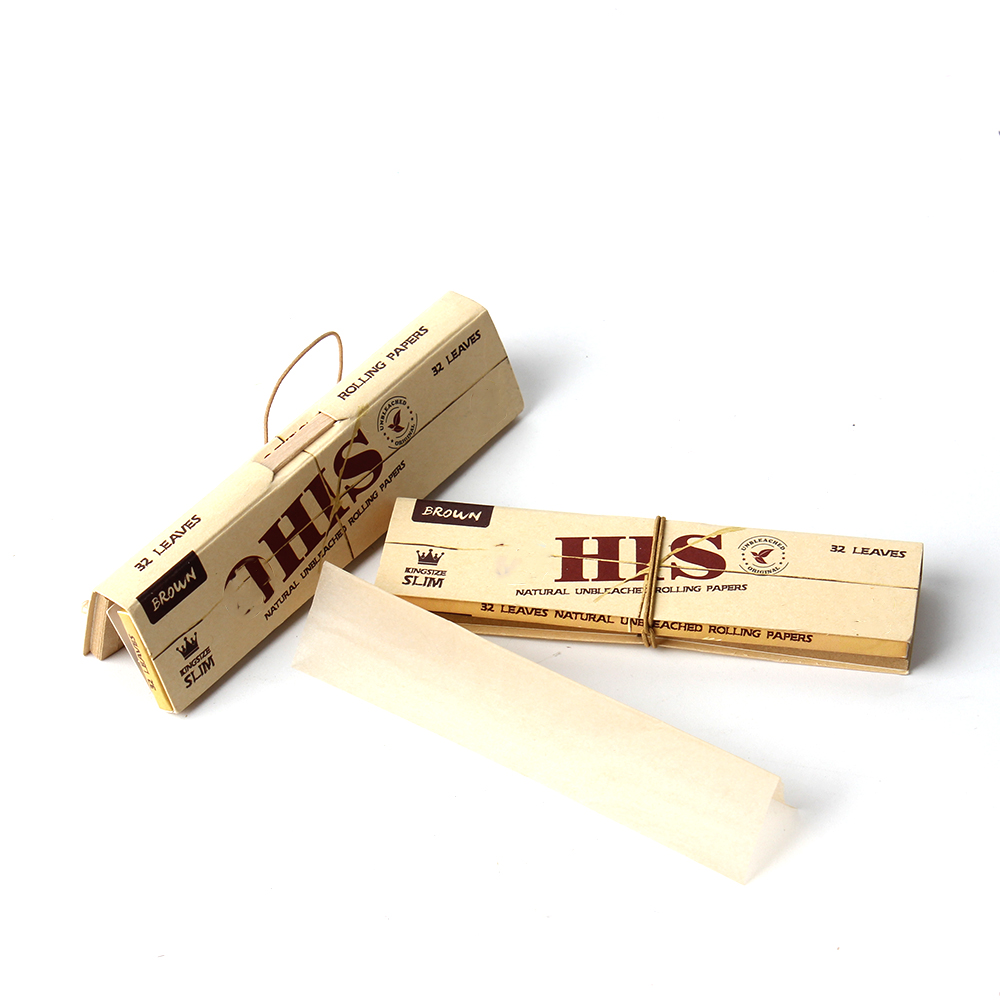
Choosing a pre rolled cones factory requires evaluating multiple dimensions beyond just pricing. Quality consistency, production capacity, custom options, and communication reliability are equally important considerations. A private label manufacturer that specializes in cone production understands the nuances of material sourcing, rolling techniques, and packaging standards that your brand demands. By establishing clear evaluation criteria and conducting thorough due diligence, you can partner with a factory that aligns with your product vision and business objectives.
Quality consistency is the foundation of any successful private label partnership. When assessing a cone factory, examine their quality control processes, testing procedures, and certifications. A reputable cone factory will document their manufacturing standards and provide batch testing reports. Ask about their defect rates, how they handle quality issues, and what guarantees they offer. Quality consistency means that every batch you receive meets the same specifications without variation. This directly protects your brand reputation and reduces customer complaints or returns related to product defects.
Your chosen cone factory must have production capacity that aligns with your current and projected demand. Discuss their monthly production volume, equipment specifications, and ability to scale up as your private label business grows. A factory with limited capacity may struggle to fulfill larger orders or may implement long lead times that disrupt your inventory planning. During your evaluation, ask about their current client load, whether they have backup production lines, and how they handle seasonal demand spikes. Factories with redundant systems and flexible scheduling are better positioned to support your business continuity.
Private label success often depends on the ability to customize products to differentiate your brand. Evaluate what custom options the cone factory offers, such as custom sizing, material blends, filter configurations, and packaging designs. Some factories have standard production lines with limited flexibility, while others specialize in custom solutions that adapt to your specifications. Discuss their design turnaround time, minimum order quantities for custom runs, and whether they charge tooling or setup fees. A factory that accommodates reasonable custom requests without excessive delays or costs provides significant value to your private label brand strategy.
Material sourcing is a critical component of cone factory evaluation. Inquire about the materials they use, their suppliers, and whether they offer sustainable or premium options. Many consumers now expect eco-friendly materials, so a cone factory offering natural or organic paper options gives your private label products competitive advantage. Ask about their material testing procedures, compliance with regulatory standards, and ability to source alternative materials if supply chain disruptions occur. A factory committed to material quality ensures that your private label cones deliver a superior smoking experience and align with consumer expectations.
A cone factory's communication quality reveals their professionalism and commitment to client relationships. During your evaluation process, pay attention to how quickly they respond to inquiries, whether they address your questions thoroughly, and how clearly they explain their processes. Poor communication often signals deeper operational issues. Establish clear communication channels, assigned account contacts, and regular reporting schedules. A cone factory that provides proactive updates on production status, potential delays, and quality metrics demonstrates the reliability your private label business requires.
Beyond manufacturing, a quality cone factory should offer support services including technical assistance, troubleshooting, and collaborative problem-solving. Ask how they handle quality disputes, product recalls, or urgent orders. A factory with dedicated support staff and documented procedures for issue resolution provides peace of mind. Request references from existing private label clients and speak with them about their experience. Long-term factory partnerships are built on trust, and a factory that invests in customer relationships and demonstrates flexibility in addressing your needs becomes a true business partner rather than a simple supplier.
Most cone factories have minimum order quantities ranging from 5,000 to 50,000 units, depending on whether you request standard production or custom options. Factories with custom options or specialty materials often have higher minimums to justify setup costs. Standard production runs typically have lower minimums. Always confirm MOQ details with your chosen cone factory, as this directly affects your cash flow and inventory planning for your private label products.
Standard production timelines generally range from 15 to 30 days after order confirmation. Custom options and complex specifications can extend this to 30 to 60 days depending on the factory's workload and your design complexity. Shipping time adds additional days depending on geographic location. Discuss realistic timelines with your cone factory and build buffer time into your inventory forecast. Factories with transparent scheduling practices help you plan accurate product launches for your private label brand.
Ask about their quality control testing procedures, defect rates, certifications held, batch traceability systems, and how they handle non-conforming products. Request recent batch reports and test results. Inquire about their corrective action process when issues arise and whether they offer warranties or guarantees. Understanding how a cone factory prioritizes quality consistency reveals their operational maturity and suitability as your private label manufacturing partner.