EN
EN

how-to-choose-a-preroll-cone-supplier-for-repeat-orders, how-to-choose-a-preroll-cone-supplier-for-repeat-orders, /news
EN
2026/09/24
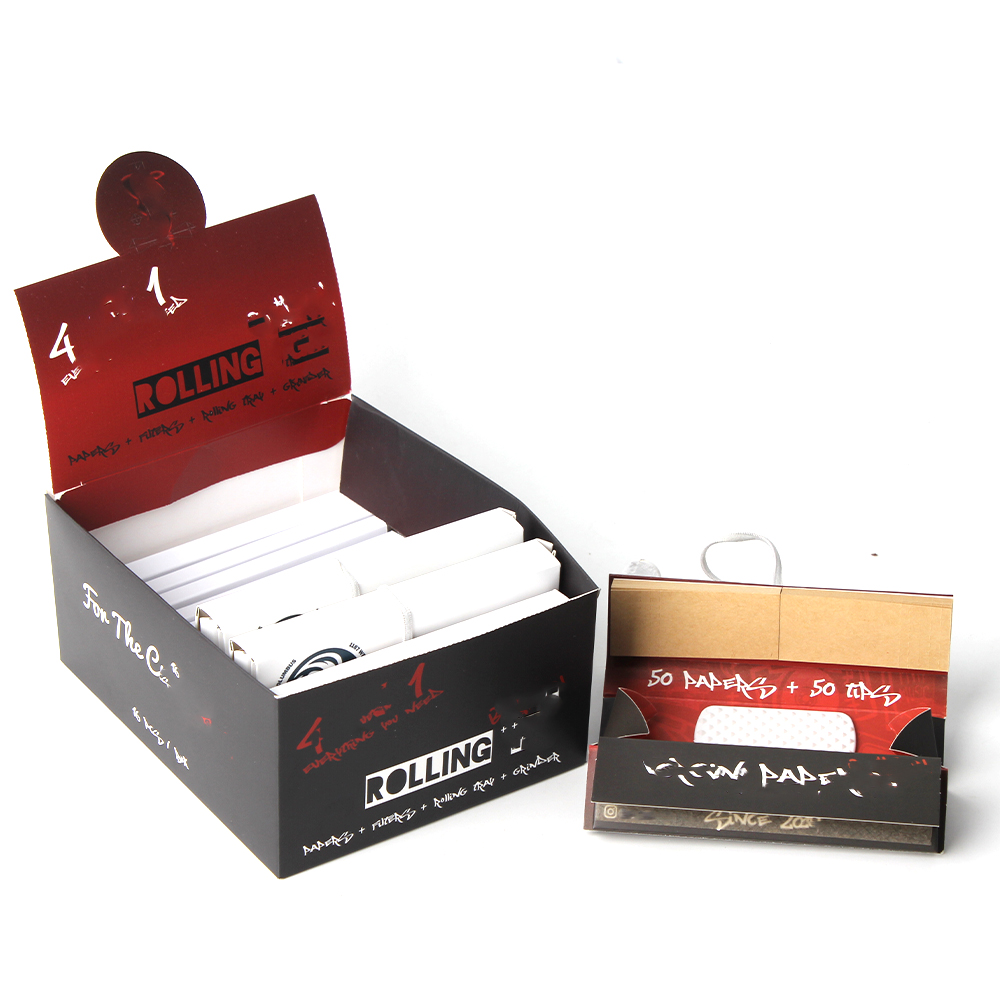
Finding the right pre rolled cones supplier is one of the most critical decisions for businesses that depend on consistent inventory. Whether you operate a dispensary, production facility, or distribution network, the quality and reliability of your supplier directly impacts your operational continuity, customer satisfaction, and profitability. Selecting a supplier for repeat orders requires more than just comparing prices; it demands a comprehensive evaluation of capability, consistency, and partnership potential. This guide walks you through the essential factors that define a trustworthy pre rolled cones supplier and how to ensure stable supply for your growing business needs.
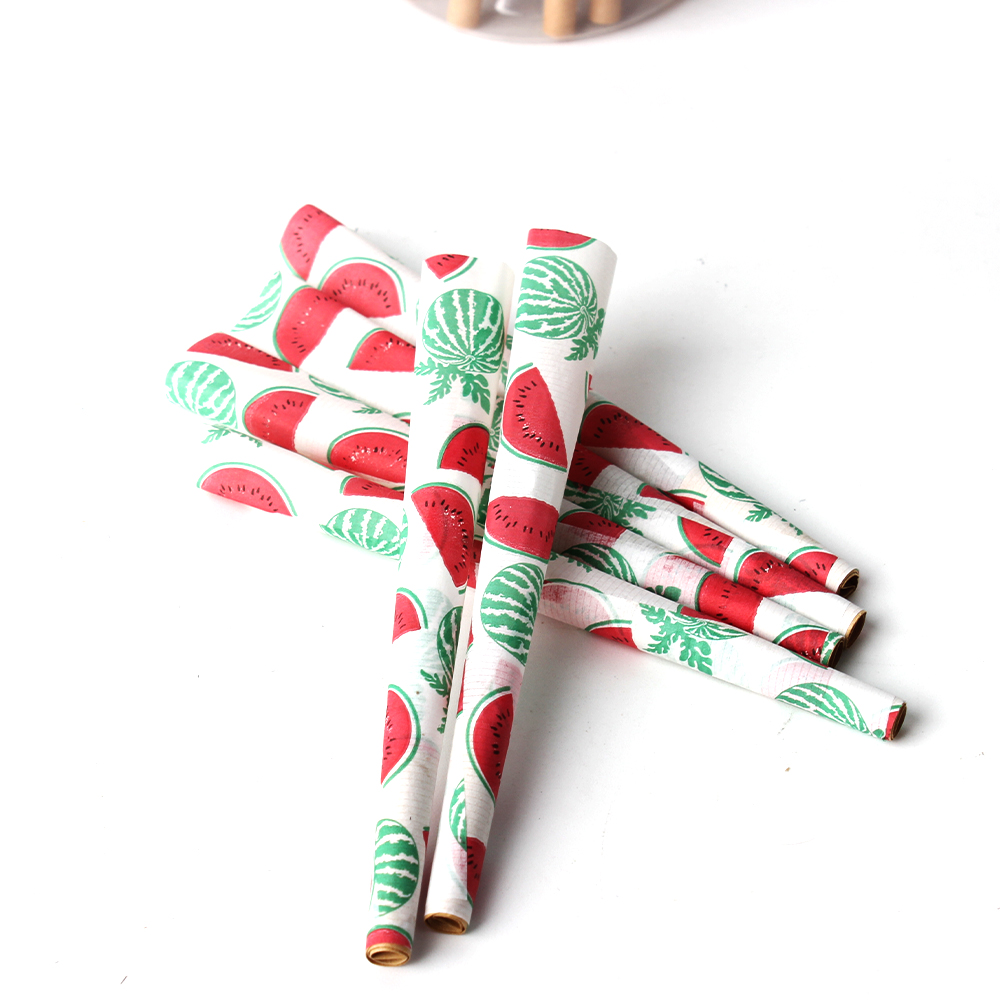
Establishing repeat orders with a pre rolled cones supplier requires trust, transparency, and demonstrated reliability. Long-term supplier relationships reduce sourcing friction, lower transaction costs, and provide predictable access to inventory when you need it most. The goal is not to find the cheapest option, but to identify a partner whose supplier performance meets your standards, supports your growth trajectory, and maintains consistent quality across every shipment.
A reliable pre rolled cones supplier must demonstrate consistent production capacity to fulfill repeat orders at scale. Before committing to ongoing purchases, request production volume documentation, facility certifications, and quality assurance protocols. Ask potential suppliers about their current client base, typical order sizes they handle, and how they manage demand spikes. Strong supplier performance is evident in their ability to meet deadlines without compromising quality, maintain inventory buffers for emergencies, and communicate proactively about any constraints or delays.
Quality consistency is non-negotiable when planning repeat orders. Request samples across multiple production batches to verify that cones meet your specifications for size, material thickness, adhesive strength, and burn characteristics. Ask about their quality control testing procedures, rejection rates, and how they handle defective units.
Regulatory compliance and industry certifications provide objective proof of a pre rolled cones supplier's legitimacy and operational standards. Verify that the supplier holds relevant certifications for their manufacturing jurisdiction, such as ISO standards, food-grade material certifications where applicable, or compliance with local packaging and labeling requirements. Request documentation of their adherence to all applicable regulations in your market. Supplier performance in regulatory compliance directly impacts your legal liability and brand reputation, making this verification essential before establishing repeat orders.
References from existing clients offer invaluable insight into real-world supplier performance. Ask for at least three references from businesses similar in size or industry vertical to yours. Contact these references directly and ask specific questions about reliability, communication quality, handling of issues, and whether they would recommend the supplier for repeat orders. Genuine testimonials often reveal details that promotional materials cannot, such as consistency across orders, responsiveness to problems, and flexibility in accommodating special requests.
Wholesale cones pricing typically decreases with volume, but the relationship between order size and unit cost should be transparent and predictable. When setting up repeat orders, negotiate tiered pricing structures that reflect your anticipated order volumes over the next 6 to 12 months. A clear pricing agreement protects both parties and enables you to forecast costs accurately. Discuss whether your pre rolled cones supplier offers volume discounts, quantity minimums, and whether prices lock in for a specified period. Understanding their pricing model prevents surprise increases that could disrupt your margins or force you to seek alternative suppliers.
Establish minimum order quantities that align with your inventory capacity and cash flow. Many wholesale cones suppliers set MOQs to manage production efficiency; knowing these thresholds upfront helps you plan repeat orders strategically. Negotiate payment terms, such as net 30 or net 60, that match your business cycle. Some suppliers offer modest discounts for early payment or accept multiple payment methods to improve cash flow flexibility. These commercial terms, combined with reliable supplier performance, form the foundation of a sustainable repeat order relationship.
Even the most reliable pre rolled cones supplier faces unforeseen disruptions such as production breakdowns, shipping delays, or material shortages. Protect your stable supply by establishing contingency protocols with your primary supplier, such as agreed-upon lead times, safety stock levels, and escalation procedures for urgent requests. Discuss how your supplier will communicate delays and what alternatives they might offer if they cannot fulfill an order on schedule. A responsive pre rolled cones supplier should have documented procedures for managing disruptions and maintaining transparency with clients.
Consider maintaining relationships with a secondary supplier, particularly if your wholesale cones business depends on maintaining strict inventory targets. This does not require large regular orders but ensures you have an alternative source if your primary supplier experiences capacity issues. Communicating clearly with both suppliers about your dual-source strategy typically builds trust rather than creating tension, as it signals your commitment to operational reliability. Repeat orders are more sustainable when you approach the supply chain as a collaborative network rather than betting everything on a single partner.
Successful repeat orders depend on open communication channels between your business and your pre rolled cones supplier. Establish regular check-in cadences—monthly or quarterly—to review order performance, discuss any quality concerns, and forecast upcoming demand. Use these discussions to share feedback about specific batches, discuss market trends affecting your needs, and explore opportunities for product customization or innovation. Suppliers who actively participate in these conversations demonstrate commitment to your success and are typically more responsive when problems arise. Strong communication directly correlates with supplier performance improvements over time.
Many wholesale cones suppliers welcome feedback and suggestions for process improvements. If you have experienced minor issues or noticed opportunities for better packaging, faster shipping, or product refinements, share these observations constructively. Suppliers that treat their repeat order clients as partners rather than transactional accounts tend to prioritize problem-solving and continuous improvement. This collaborative approach transforms your relationship from vendor-buyer to strategic partnership, making both parties more invested in mutual success.
As your business scales, your needs for wholesale cones may evolve in volume, specifications, or delivery requirements. Periodically audit your current pre rolled cones supplier's ability to meet changing demands and whether their pricing remains competitive. Track key metrics such as on-time delivery rate, defect rate, and responsiveness to special requests. If supplier performance begins to slip or your business requirements shift significantly, initiate a candid conversation with your supplier to explore whether you can realign terms. Many stable supply relationships are preserved through proactive adaptation rather than sudden switches.
Maintain flexibility in your repeat order strategy without sacrificing stability. While consistency with one trusted supplier offers clear benefits, remaining aware of market developments helps you stay informed about emerging alternatives or improved products. Loyalty to a proven pre rolled cones supplier is valuable, but it should never prevent you from evaluating whether the relationship continues to serve your business effectively. Successful long-term partnerships thrive when both parties feel the arrangement remains mutually beneficial and aligned with current market realities.
Prioritize supplier performance across three dimensions: consistency in product quality across multiple batches, reliability in meeting delivery timelines, and transparency in communication. Begin by requesting samples, verifying certifications, contacting references, and confirming production capacity. These steps reveal whether the supplier operates at the professionalism level required for repeat orders. After establishing a relationship, monitor on-time delivery rates, defect frequencies, and responsiveness to issues. Quality and reliability matter far more than finding the lowest price, as switching suppliers due to poor performance disrupts your operations and damages customer relationships.
Negotiate tiered pricing structures linked to your anticipated order volumes, establish clear minimum order quantities and payment terms, and document lead times and order fulfillment expectations in writing. Lock in pricing for 6 to 12 months to protect against unexpected increases. Discuss how your wholesale cones supplier will handle demand spikes or sudden requests, and agree on escalation procedures for urgent orders. Include provisions for quality guarantees and specify the process for addressing defective shipments. Clear written agreements reduce ambiguity and provide reference points if disputes arise, making them essential for stable supply relationships.
Focusing primarily on one proven pre rolled cones supplier simplifies logistics, deepens the relationship, and often qualifies you for better pricing through volume discounts. However, maintaining a secondary supplier relationship as a backup provides protection against unforeseen disruptions such as production issues or capacity constraints. The right approach depends on your business size, inventory requirements, and risk tolerance. For most businesses, concentrating repeat orders with a reliable primary supplier while maintaining awareness of alternatives offers the best balance between operational efficiency and supply chain resilience.