EN
EN
how-to-choose-between-stock-and-custom-preroll-cones-for-a-fast-launch, how-to-choose-between-stock-and-custom-preroll-cones-for-a-fast-launch, /news
EN
2026/09/01
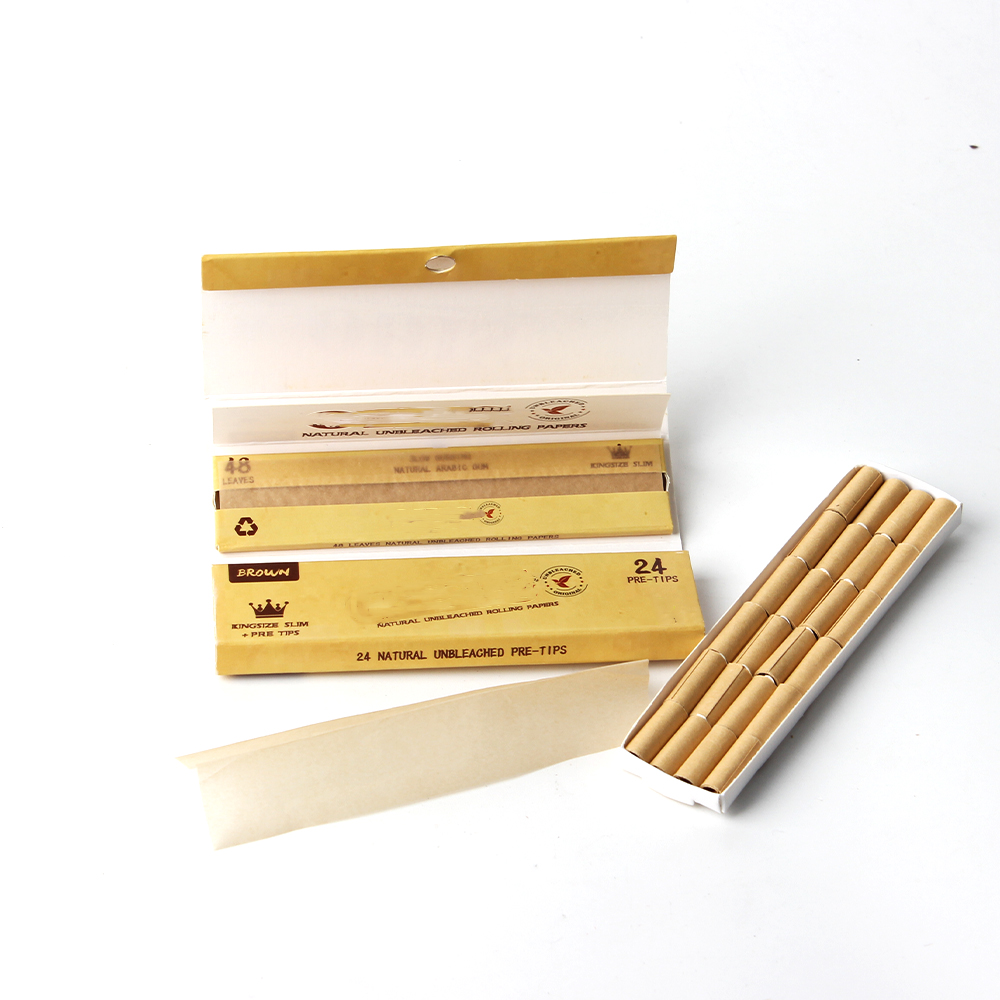
Choosing between stock cones and custom cones represents one of the most critical decisions for businesses entering the pre-roll market. This choice directly impacts your time to market, production costs, brand differentiation, and operational flexibility. Understanding the trade-offs between these two approaches will help you align your packaging strategy with your actual business timeline and budget constraints.
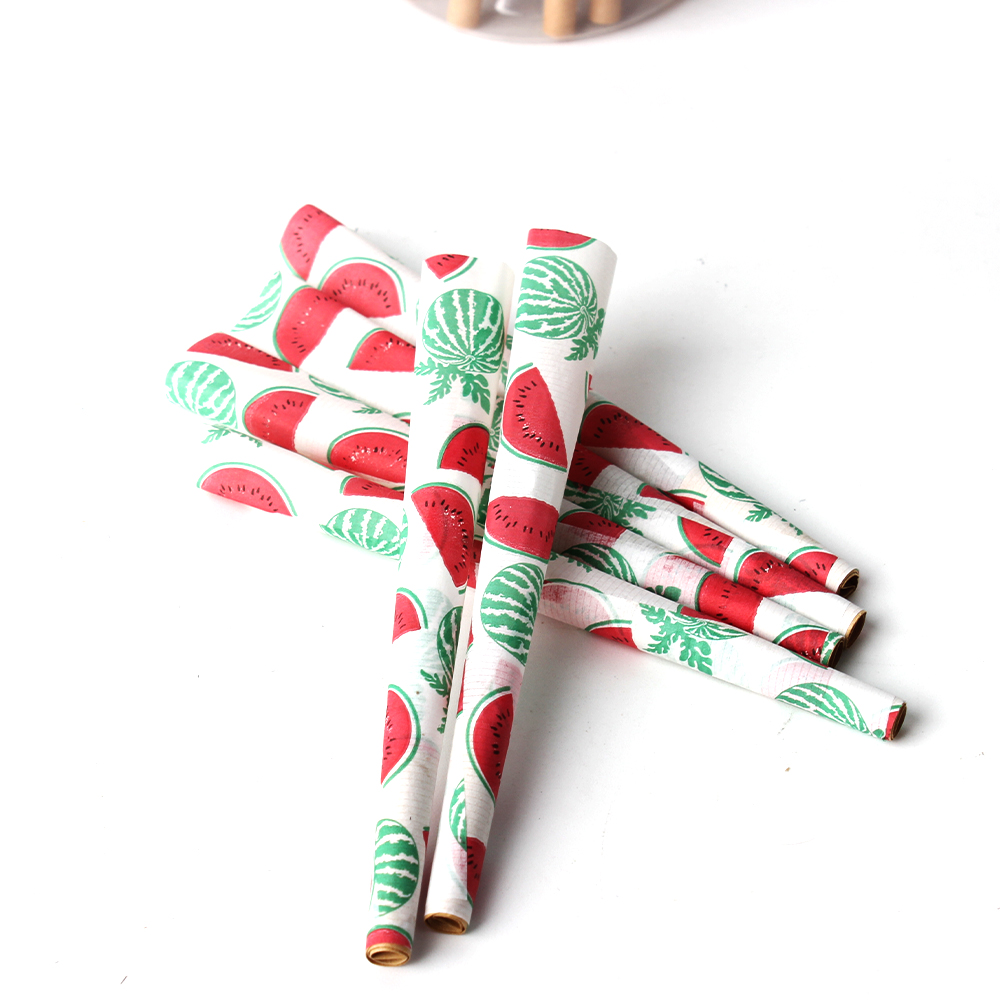
The pre-roll packaging landscape has evolved significantly, offering businesses genuine flexibility in how they approach their market entry. Stock cones provide immediate availability and minimal financial commitment, while custom cones deliver branded differentiation and long-term competitive advantages. The decision framework requires honest assessment of your launch timeline, budget capacity, and strategic positioning within the market.
Stock cones are pre-manufactured products available for purchase without lead time or minimum order requirements that delay deployment. Suppliers maintain inventory specifically designed for rapid fulfillment, allowing your business to place orders and receive product within days rather than weeks. This operational advantage proves invaluable when market conditions shift suddenly, competitive pressures intensify, or your launch timeline compresses unexpectedly. The low MOQ associated with stock cones means you can test market demand with smaller initial orders before committing significant capital.
The production certainty of stock cones eliminates manufacturing delays that plague custom solutions. Quality control protocols are already established, manufacturing tolerances are proven, and supply chain logistics are refined through repeated production cycles. Your team avoids the complexity of managing first-time manufacturing specifications, negotiating production timelines, or coordinating quality assurance protocols with manufacturing partners. These operational efficiencies translate directly into faster market entry and reduced project management overhead.
Stock cones require significantly lower upfront investment compared to custom cones, which demand tooling fees, setup charges, and minimum production volumes. Emerging businesses with limited capital can access professional packaging without equipment investment or financial overextension. The unit cost per cone typically remains reasonable even at small volumes, preserving margin structure while you establish market presence and generate cash flow. This financial accessibility democratizes market entry for smaller operations competing against established manufacturers.
Predictable pricing and transparent cost structures characterize stock cone purchases, eliminating budget surprises or hidden charges. You know exactly what each unit costs before committing to production, allowing accurate margin calculations and wholesale pricing strategies. The flexibility to order incrementally as demand materializes supports healthy cash flow management and reduces inventory carrying costs during early market phases.
Custom cones transform your packaging from commodity product into branded marketing asset, creating visual distinction that captures consumer attention on retail shelves. Your unique design, proprietary messaging, and branded aesthetic communicate professionalism and investment in quality before customers ever experience your product. This differentiation proves particularly powerful in competitive markets where shelf space is limited and consumer choice is overwhelming. Custom cones convey brand story, values, and positioning more authentically than generic stock packaging.
The launch timeline for custom cones typically spans four to eight weeks, depending on design complexity, manufacturing capacity, and production specifications. This extended timeline requires advance planning and market forecasting, but the resulting branded packaging justifies the investment for businesses committed to long-term market presence. Your distinctive packaging becomes recognizable across multiple retail channels, building brand equity and supporting premium pricing strategies that improve profitability over time.
Custom cones achieve superior per-unit economics at volume, with production costs declining significantly as order quantities increase beyond initial low MOQ thresholds. While stock cones maintain relatively consistent pricing across volume levels, custom cone manufacturers pass manufacturing efficiency gains directly to customers through improved unit pricing at scale. This economic advantage becomes decisive when your business reaches production volumes exceeding five thousand units monthly, where cumulative savings substantially improve gross margin.
Establishing proprietary tooling and manufacturing specifications creates barrier to entry that protects your brand identity and supply relationships. Competitors cannot duplicate your exact packaging design or specifications without expensive custom production of their own, creating lasting competitive differentiation. The investment in custom production infrastructure signals market commitment and supports premium brand positioning that justifies higher retail pricing and improved distributor relationships.
Evaluate your actual market entry deadline honestly when choosing between stock cones and custom cones. If your launch timeline spans fewer than four weeks, stock cones become the only viable solution, as custom production cannot meet accelerated schedules. Conversely, if you have adequate planning horizon and clear demand projections, the superior differentiation of custom cones justifies manufacturing delays. Consider whether speed to revenue or brand differentiation carries greater strategic weight for your specific business situation.
Market research revealing strong demand signals supports custom cone investment, as production certainty and branding justify longer timelines. Conversely, if market testing is still underway or demand projections remain uncertain, stock cones preserve financial flexibility while you validate business assumptions. The low MOQ available through stock suppliers allows demand testing without large capital commitment, supporting iterative market validation before scaling custom production.
Calculate total cash requirements for each approach, including packaging, product filling, storage, and working capital needs. Custom cones require significant upfront investment before revenue generation begins, potentially straining financial resources during critical early operations. Stock cones defer capital expenditure and allow phased spending aligned with revenue growth, preserving cash reserves for other operational needs. Assess whether your funding and cash position supports custom production investment or whether stock cones better match available financial capacity.
Consider long-term financial projections extending twelve to twenty-four months forward, evaluating whether custom cone investments generate sufficient margin improvement to justify initial capital outlay. Businesses with strong funding position and clear growth projections often benefit from immediate custom production investment. Financially constrained operations typically serve themselves better through stock cones, building cash reserves before transitioning to custom packaging at scale.
Yes, starting with stock cones while planning custom cone development represents a legitimate market entry strategy. This approach allows demand validation, revenue generation, and financial accumulation before custom production investment. You can manage the transition by staging custom cone introduction across limited product lines initially, then expanding custom packaging as revenue supports larger production volumes. The key is ensuring supply continuity during transition and communicating packaging evolution to existing customers transparently.
Stock cones typically feature low MOQ ranging from one hundred to five hundred units, providing maximum flexibility for early-stage testing. Custom cones generally require minimum orders of one thousand to five thousand units depending on complexity, tooling specifications, and manufacturer capacity. These low MOQ thresholds for stock cones make iterative testing economically feasible without major capital commitment. Understanding specific MOQ requirements from your supplier is essential before finalizing packaging strategy.
Custom cone production typically adds four to eight weeks compared to stock availability, reflecting design finalization, tooling creation, and manufacturing execution. This launch timeline extension requires advance planning and market forecasting that many emerging businesses struggle to execute accurately. Stock cones eliminate this timeline constraint entirely, allowing deployment within days of order placement. Your market readiness and competitive urgency should directly inform this timeline trade-off decision.