EN
EN
how-to-choose-custom-colors-for-preroll-cone-product-lines, how-to-choose-custom-colors-for-preroll-cone-product-lines, /news
EN
2026/08/13
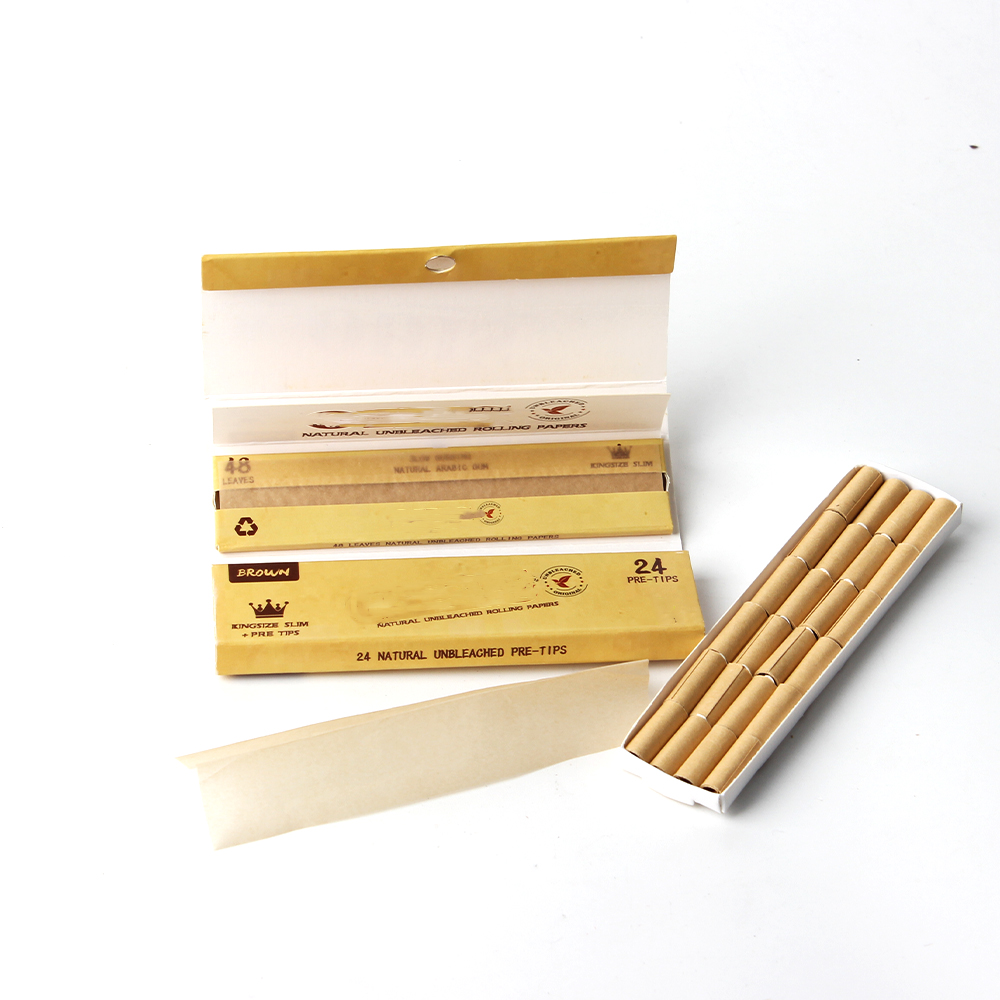
Selecting the right custom colors for your pre-roll cone product lines is a critical branding decision that directly influences market perception and consumer recognition. The visual identity of your custom cones extends far beyond aesthetics—it communicates your brand values, differentiates your products from competitors, and creates a lasting impression on retail shelves and in customer hands. Whether you're launching a new private label venture or expanding an existing product line, understanding how to choose custom colors strategically will help you build a cohesive visual presence that resonates with your target audience.
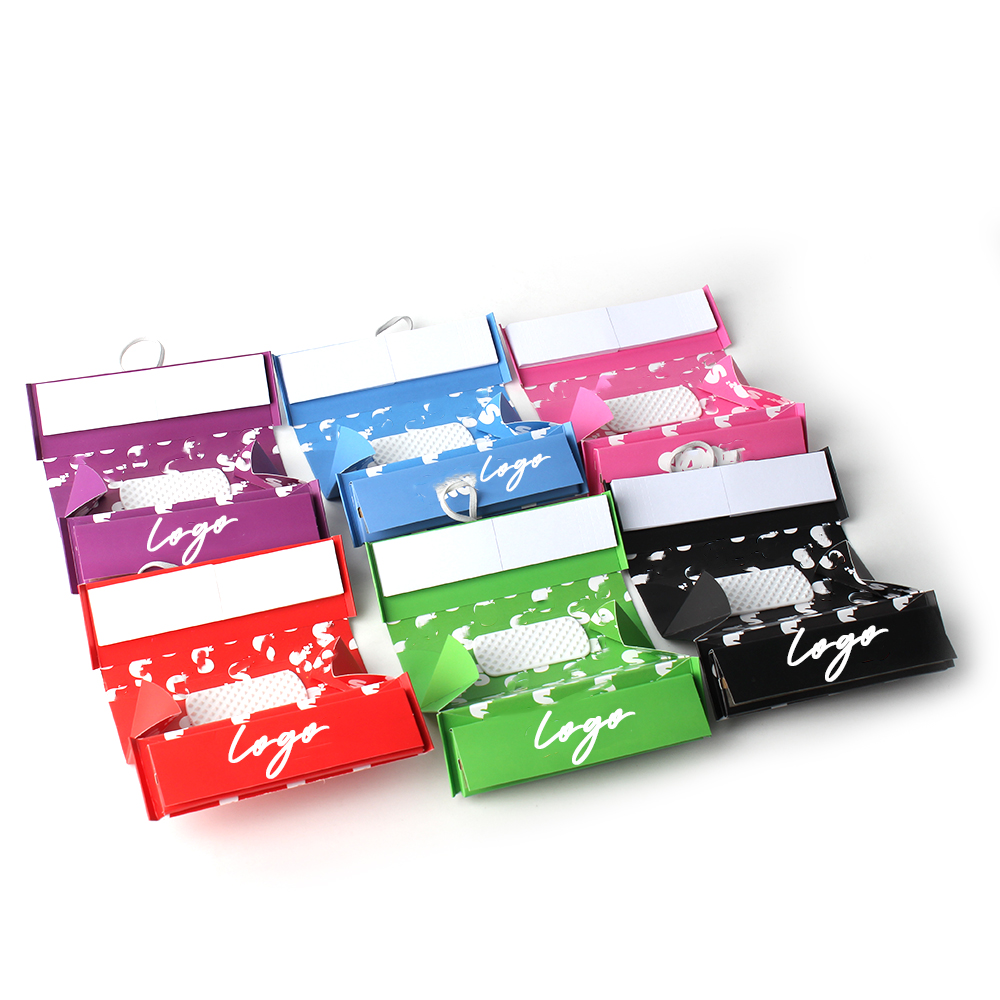
Your custom cones represent a tangible touchpoint in the customer experience, and the color palette you choose becomes part of your brand story. When developing a comprehensive product line with custom colors, you must balance aesthetic appeal, brand consistency, market trends, and practical production constraints. This guide walks you through the essential considerations and strategic framework for selecting the ideal custom colors for your pre-roll cone offerings.
Color is one of the most powerful communication tools in product design. Studies consistently show that consumers form initial judgments about products within seconds, with color playing a dominant role in that decision. When crafting your custom cones, the colors you select will trigger emotional responses and shape how customers perceive quality, trustworthiness, and brand personality. Warm colors like gold, orange, and deep reds convey energy and premium positioning, while cooler tones like blue and green suggest calm, sustainability, or natural origins. Understanding these psychological associations ensures your cone design aligns with your brand messaging and appeals to your target demographic.
Color preferences vary significantly across different markets, regions, and consumer segments. What resonates in one market may fall flat in another, making localized color research essential for a successful product line launch. When developing custom colors for your custom cones, consider the cultural meanings attached to specific hues in your primary sales territories. For instance, certain colors carry different connotations in Asian, European, and North American markets. Additionally, generational preferences play a role—younger consumers may respond to vibrant, unconventional color combinations, while established brands might favor timeless, sophisticated palettes. Conducting market research and analyzing competitor color strategies within your specific niche provides invaluable guidance for your private label color selection.
Establishing a clear color hierarchy is fundamental when building a cohesive product line. Start by identifying one or two primary brand colors that will appear consistently across all offerings—these anchor colors establish immediate brand recognition and should appear prominently on your custom cones. Secondary colors can be rotated or used to differentiate product variants within your line, while accent colors add visual interest without overwhelming the design. When working with a private label manufacturer, clearly communicate your color specifications using industry-standard formats like Pantone Matching System (PMS) codes or CMYK values to ensure consistency across production runs. This structured approach prevents your product line from appearing chaotic or unprofessional while allowing for creative variations that attract different customer segments.
One of the key challenges in developing custom cones for a diverse product line is maintaining recognizable brand identity while offering enough visual variety to appeal to different market segments. Creating a color palette with three to five complementary colors allows you to develop distinctive SKUs while keeping production manageable and inventory streamlined. Consider how your custom colors will work both individually and as a coordinated group—when displayed together on shelves, your product line should read as a unified family despite variations in cone design and individual packaging. Test how your custom colors appear under different lighting conditions and alongside competing products to ensure they maintain visual impact in real-world retail environments. This balance between consistency and variety is what separates amateur product lines from professional, market-ready offerings.
Translating your color vision into actual production requires clear communication with your private label partner or manufacturer. Before finalizing custom colors, request color samples and mockups of your proposed cones to evaluate how the colors will actually appear on the product material. Different substrates—whether paper, cardboard, or specialty cone materials—absorb and reflect color differently, so a color that looks perfect on screen may appear entirely different on the finished cone. Establish detailed specifications for each custom color in your product line, including exact Pantone codes, ink formulations, and acceptable color tolerance ranges. Working closely with your manufacturer's quality control team ensures that every production batch maintains color consistency, protecting your brand reputation and ensuring customers receive the product line they expect.
The number of custom colors you choose for your product line directly impacts production costs, setup times, and inventory management. Each additional color requires separate ink mixing, printing setup, and quality control verification, which increases per-unit costs—particularly important if you're just launching a private label operation. Start with a core set of custom colors that can be produced efficiently, then expand your color offerings as sales volume justifies the additional complexity. Consider whether certain colors could be achieved through overlapping or layering existing inks, which can reduce costs while expanding your effective color palette. Additionally, seasonal and promotional variations can be managed by rotating which custom colors are in active production, allowing you to maintain a fresh product line without committing to excessive inventory of slow-moving SKUs. Strategic planning around cone design and color production logistics directly affects your profitability and market agility.
Prioritize your brand identity, target market preferences, color psychology alignment, and production feasibility. Start by defining your core brand colors that will appear on every product in your line, then select secondary custom colors that offer variety without diluting brand recognition. Consider your specific market—retail shelf presence, consumer demographics, and regional preferences all influence which color palette will perform best. Finally, validate your choices with your manufacturer to confirm they're achievable within your budget and timeline, and request physical samples before committing to full production runs.
Work with your manufacturer to establish precise color specifications using industry-standard systems like Pantone codes or CMYK values for your entire product line. Request color reference samples at the start of each production batch and verify they match your approved standards before full manufacturing begins. Include acceptable color tolerance ranges in your specifications, and maintain a physical reference sample library to compare against future batches. Regular communication with your private label partner's quality control team and periodic audit checks ensure your custom cones maintain consistent color across all orders.
Yes, you can modify your custom colors, but plan these changes strategically to minimize disruption to your product line and inventory. Gradual transitions—such as phasing in new custom colors for new SKUs while allowing existing inventory to sell through—maintain brand continuity while allowing evolution. Major color overhauls should align with significant brand milestones or rebranding initiatives so customers perceive the changes as intentional rather than inconsistent. Discuss any planned color modifications with your manufacturer well in advance so they can adjust production schedules, ink supplies, and quality control benchmarks accordingly.