EN
EN

how-to-choose-pack-quantities-for-preroll-cones-with-filter-tips, how-to-choose-pack-quantities-for-preroll-cones-with-filter-tips, /news
EN
2026/08/07
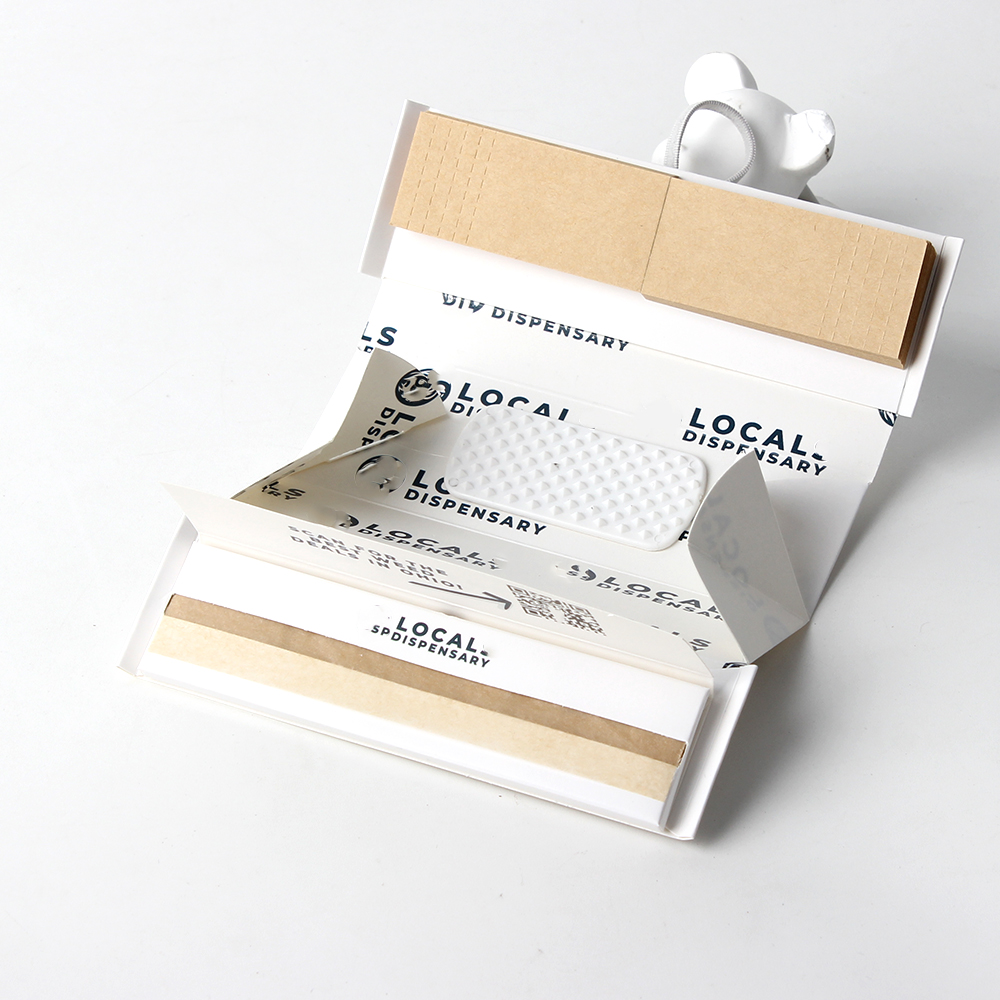
Selecting the right Pre-Roll Cones with Filter Tips requires more than just understanding the product itself. The pack quantity you choose directly influences your operational efficiency, storage costs, cash flow, and customer satisfaction. Whether you're running a retail operation, wholesale distribution center, or specialty shop, the decision between different pack quantities fundamentally shapes your business model.
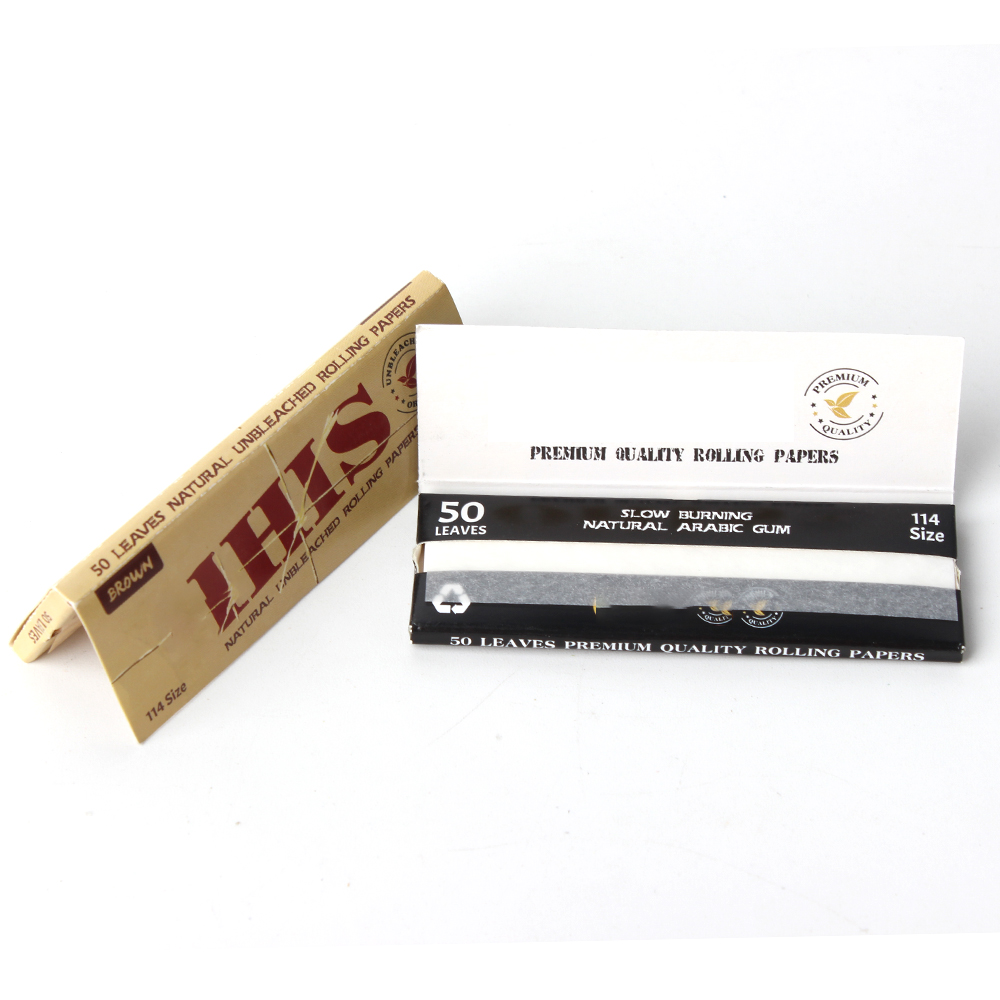
The retail format and pack quantity landscape includes multiple standard options, each designed to serve different business segments and customer demographics. Understanding the advantages and constraints of each retail format helps you align inventory strategy with demand patterns, storage capacity, and profit margins. The most common retail formats include 72pcs pack, 100pcs pack, and other bulk configurations that balance accessibility with operational practicality.
Pack quantity represents the foundational decision that affects every downstream operation in your supply chain. A 72pcs pack serves different market segments than a 100pcs pack, with each retail format optimized for specific customer types and usage patterns. The pack quantity you select determines minimum order volumes, warehouse footprint requirements, and the rate at which inventory turns over in your facility.
Choosing an appropriate pack quantity directly impacts your working capital efficiency. Smaller pack quantities require more frequent reorders but reduce the risk of obsolescence and dead stock. Larger pack quantities minimize transaction costs and shipping expenses per unit but demand greater upfront capital investment and storage space. Understanding this trade-off is essential for businesses operating with constrained resources or capital.
Your retail format choice signals your target market positioning and operational sophistication. A 72pcs pack typically appeals to smaller retailers, independent shops, and businesses testing new product lines with lower commitment levels. The 100pcs pack format targets mid-sized distributors and established retailers seeking better per-unit economics and more efficient logistics. Recognizing these market signals helps you align your pack quantity selection with your intended customer base and growth trajectory.
The 72pcs pack represents an accessible entry point for businesses establishing pre-roll cone distribution networks. This pack quantity balances introductory accessibility with meaningful volume economics, making it ideal for retailers testing market demand before committing to larger inventory positions. The 72pcs pack format fits naturally into standard retail display cases and point-of-sale configurations, simplifying merchandising and visual inventory management across multiple store locations.
Businesses choosing the 72pcs pack benefit from reduced storage requirements and faster inventory rotation. This retail format particularly appeals to specialty shops, convenience retailers, and emerging distributors with limited warehouse space or those experiencing seasonal demand fluctuations. The pack quantity supports experimentation with product positioning, pricing strategies, and customer segment targeting without excessive financial exposure or logistical complexity.
The 100pcs pack delivers superior unit economics and operational efficiency for established businesses with predictable demand and adequate storage infrastructure. This larger pack quantity reduces per-unit acquisition costs through improved logistics efficiency and reduced packaging overhead per cone. The 100pcs pack format represents the optimal threshold where shipping costs per unit become genuinely leverageable and storage density reaches practical maximums within standard commercial facilities.
Distributors and high-volume retailers selecting the 100pcs pack gain competitive pricing advantages that translate directly to improved gross margins or customer value proposition. This retail format suits businesses with consistent month-to-month demand, multiple retail outlets, or significant wholesale customer bases. The pack quantity enables more aggressive pricing strategies while maintaining profitability, creating leverage in competitive markets.
Effective pack quantity selection begins with honest analysis of your historical sales velocity and demand predictability. Calculate your average monthly consumption of pre-roll cones with filter tips across your entire operation. Multiply your monthly consumption by three to determine an appropriate reserve inventory level, then evaluate whether your storage capacity comfortably accommodates that volume. This analysis reveals whether your business operations support a 72pcs pack, 100pcs pack, or alternative pack quantities.
Seasonal businesses and retailers experiencing demand volatility benefit significantly from more frequent small orders in the 72pcs pack format, reducing obsolescence risk during slower periods. Stable, year-round operations gravitate naturally toward the 100pcs pack to optimize per-unit economics and minimize reorder transaction frequency. Your specific demand pattern, not industry averages, should drive this fundamental retail format decision.
Calculate the total working capital requirement for each pack quantity option at your projected annual consumption level. Compare storage costs, logistics expenses, and carrying costs against the per-unit savings achieved through larger pack quantities. Many businesses discover that the 100pcs pack's improved unit economics justify modest increases in storage investment, particularly when warehouse space remains available and properly utilized.
Evaluate supplier lead times and minimum order commitments associated with different pack quantities and retail formats. Some distributors offer more flexible pricing on specific pack quantities—knowledge of these nuances can materially improve your cost structure. Document your calculations and revisit them quarterly as your business scales, customer mix evolves, and operational constraints change. Pack quantity decisions deserve ongoing strategic attention rather than one-time selection.
Choose a 72pcs pack if you operate with limited storage space, experience seasonal demand, or prefer rapid inventory turnover. Select a 100pcs pack if you maintain consistent monthly demand, operate multiple locations, or prioritize per-unit cost savings. Your specific monthly consumption, available warehouse space, and financial capacity determine the optimal pack quantity for your operation.
Pack quantity directly influences the retail format you present to customers and how your business positions itself in the market. A 72pcs pack signals flexibility and accessibility, appealing to smaller retailers and specialty shops. The 100pcs pack demonstrates established scale and market sophistication, attracting larger buyers and wholesale customers seeking volume economics and reliable supply relationships.
Absolutely. Most suppliers accommodate pack quantity changes as your business evolves and operational capacity expands. Start with a 72pcs pack to test market fit and validate demand, then transition to the 100pcs pack format as your monthly consumption stabilizes and storage capacity allows. This graduated approach manages financial risk while optimizing your supply chain as you scale.