EN
EN

EN
2026/09/01
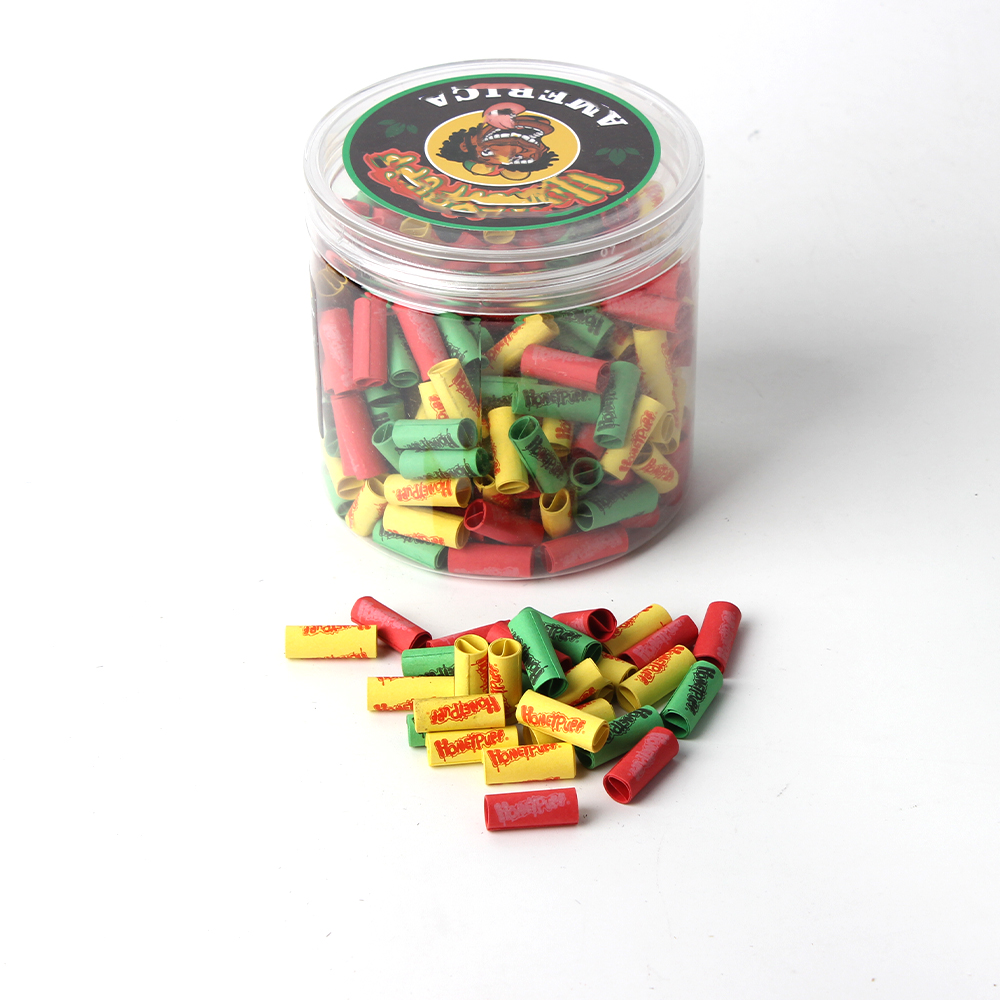
Selecting the right pre rolled tips for your bulk production operation is a critical decision that directly impacts product quality, operational efficiency, and profitability. For manufacturers and producers working at scale, the choice between different materials, suppliers, and specifications can determine whether your operation runs smoothly or encounters costly delays and quality issues. Understanding the key factors that influence this decision helps you identify the best fit for your specific production needs and business objectives.

When sourcing bulk tips for production, you need to evaluate material composition, consistency standards, packaging formats, minimum order quantities, and the reliability of your filter supplier. The decision involves balancing cost efficiency with quality assurance, ensuring your supplier can meet both current demands and future growth projections. This guide walks you through the essential considerations that help you make an informed purchasing decision aligned with your production capacity and quality standards.
Kraft paper tips remain the industry standard for bulk production due to their versatility, cost-effectiveness, and reliable performance characteristics. When evaluating kraft paper tips, you should assess the paper weight, thickness consistency, and resistance to moisture and heat. Different grades of kraft paper offer varying levels of durability and burning characteristics, which directly affect the end-user experience and your production efficiency. Higher-quality kraft paper tips maintain structural integrity during automated filling and rolling processes, reducing waste and rework costs.
Beyond kraft paper, some manufacturers offer alternative materials including specialty blends and premium papers designed for specific applications. These materials may provide enhanced filtering properties or aesthetic qualities, but typically come at a higher cost per unit. For bulk production, the choice between standard kraft paper tips and premium alternatives depends on your target market positioning, profit margin targets, and whether end-user feedback justifies the price premium. Understanding the performance metrics and cost implications of each option ensures your B2B sourcing strategy aligns with your business model.
Bulk production demands strict consistency in tip dimensions, weight, and quality across every shipment. When evaluating a filter supplier, request detailed specification sheets and quality control documentation that confirm dimensional tolerances, moisture content ranges, and material consistency metrics. Inconsistent tips can cause production line slowdowns as automated equipment struggles with variable inputs, leading to increased downtime and labor costs. Establishing clear specification requirements with your supplier upfront prevents quality disputes and ensures seamless integration into your production workflow.
Most professional suppliers of bulk tips maintain ISO certifications and follow strict quality control protocols that document batch testing results. Request samples from multiple batches before committing to large volume orders, and verify that the supplier's quality assurance processes match your internal standards. This diligence protects your operation from discovering quality issues mid-production when switching suppliers becomes logistically difficult and expensive.
Your production scale determines the appropriate supplier and order structure for bulk tips. Small-to-medium producers may face higher per-unit costs if they cannot meet large minimum order quantities that major suppliers require. B2B sourcing platforms and specialized filter supplier networks often offer tiered pricing that rewards higher commitment levels, but you must balance volume discounts against inventory management costs and storage constraints. Understanding your realistic production forecast for the next six to twelve months helps you determine the optimal order size that maximizes savings without creating excess inventory.
Some suppliers of bulk tips offer flexible ordering arrangements including blanket purchase agreements that lock in pricing while allowing monthly shipments based on your actual consumption. This approach provides cost protection and predictability while maintaining reasonable inventory levels. When negotiating terms with a potential filter supplier, discuss payment terms, delivery frequencies, and flexibility provisions that accommodate seasonal demand variations in your business.
Selecting a dependable filter supplier is as important as evaluating the product itself, because supply disruptions directly impact your production continuity. Research the supplier's track record regarding on-time delivery, order accuracy, and responsiveness to issues or urgent requests. Request references from other manufacturers or producers who source bulk tips from the same supplier, and ask specifically about their experience with rush orders and problem resolution. A reliable supplier maintains adequate inventory to handle demand fluctuations and can accommodate reasonable short-notice order adjustments without excessive fees.
Geographic location and logistics infrastructure also influence supplier reliability and cost-effectiveness. Suppliers located near major distribution hubs typically offer faster delivery times and lower shipping costs for bulk orders. Additionally, consider the supplier's communication systems, order tracking capabilities, and responsiveness during off-hours or urgent situations. These operational factors often prove as valuable as the product itself when managing a bulk production operation that depends on consistent material flow.
When comparing pricing quotes for bulk tips, examine both the per-unit cost and the total landed cost including packaging, shipping, and any specialty handling fees. Different suppliers structure their pricing differently, so kraft paper tips from one vendor may appear cheaper per unit while costing more when shipping and packaging are factored in. Request itemized quotes that break down all costs clearly, allowing you to compare total expenses rather than just the headline price per unit. This transparency prevents cost surprises and enables accurate profit margin calculations.
Some B2B sourcing arrangements include value-added services such as custom packaging, labeling, or just-in-time delivery that may justify higher unit pricing. Evaluate whether these services reduce your internal handling costs or improve your operational efficiency enough to offset the higher material cost. Hidden costs can also include setup fees, minimum order penalties, or restocking charges if you need to return excess inventory, so clarify all fee structures before committing to a supplier relationship.
The most successful bulk production operations develop long-term relationships with trusted suppliers who understand their quality requirements, volume forecasts, and growth objectives. A committed partnership allows your filter supplier to anticipate your needs, offer advance notice of price changes, and prioritize your orders during tight market conditions. Regular communication about your business trends, new product launches, or expansion plans helps the supplier align their production capacity with your future demands. These partnerships also create opportunities for collaborative problem-solving and continuous improvement initiatives that benefit both parties.
When evaluating potential long-term suppliers, assess their investment in quality systems, research and development capabilities, and willingness to support your growth. A supplier who demonstrates commitment to your success through technical support, flexible terms, and proactive communication becomes a strategic asset rather than simply a vendor. This relationship-based approach typically results in better pricing, priority service, and more favorable terms than transactional relationships with suppliers you change frequently.
Start with product quality consistency and compliance with your specifications, then evaluate the filter supplier's reliability track record, delivery performance, and customer service responsiveness. Compare total landed costs rather than just per-unit pricing, and assess their capacity to handle your current and projected future volume needs. Finally, consider their willingness to develop a long-term partnership with flexible terms that accommodate your business growth and operational changes.
Kraft paper tips remain the industry standard because they offer reliable performance, cost-effectiveness, and compatibility with most automated production equipment. Alternative materials may provide specific benefits like enhanced filtering or premium aesthetics, but typically cost significantly more per unit. For most bulk production operations, kraft paper tips deliver the best balance of quality, cost, and production compatibility, unless your target market demands specialized material properties that justify the premium cost.
Minimum order quantities vary significantly by supplier and typically range from 100,000 to 1,000,000 units or more for bulk tips. Larger suppliers often require higher minimums but offer better per-unit pricing, while smaller suppliers may accommodate lower volumes. Evaluate your production capacity, storage constraints, and cash flow situation to determine the order size that optimizes your cost per unit while maintaining reasonable inventory turnover without excess stockpiling.