EN
EN
how-to-combine-natural-fiber-cones-with-wshaped-filter-tips, how-to-combine-natural-fiber-cones-with-wshaped-filter-tips, /news
EN
2026/09/25
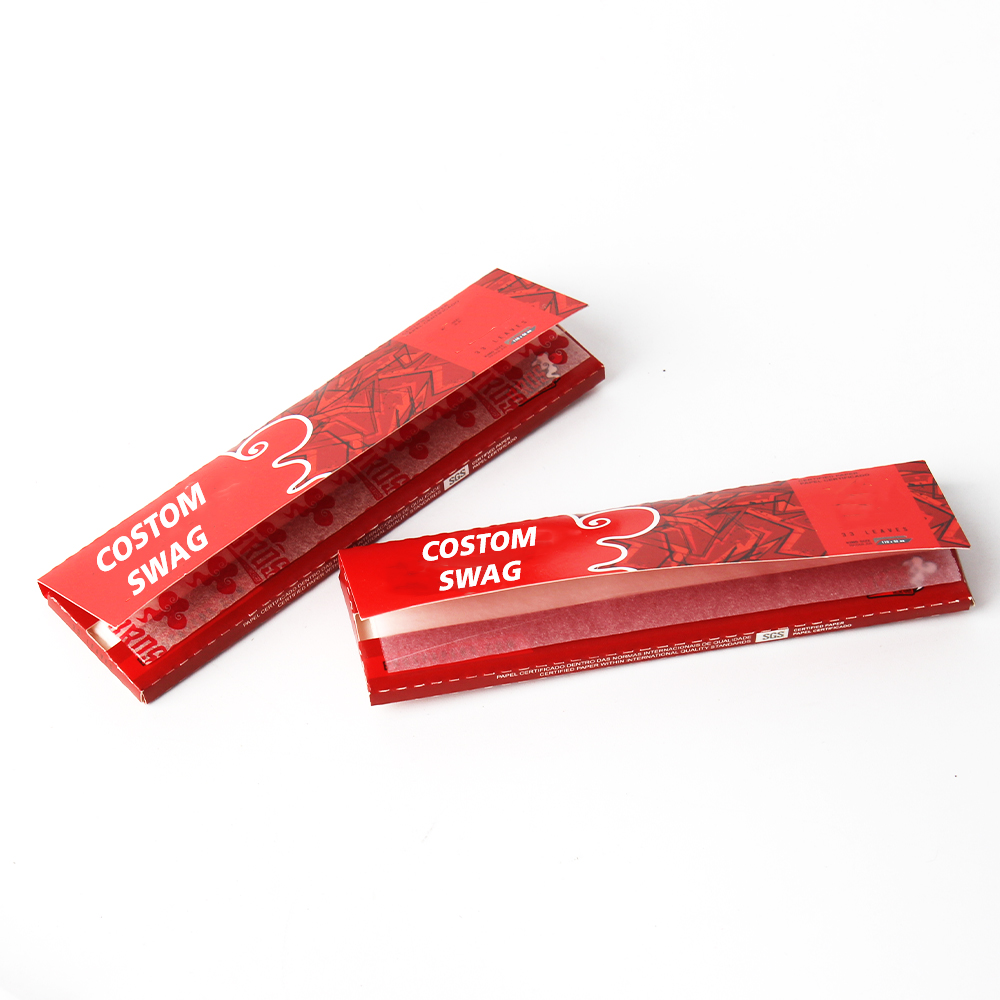
The integration of Pre-Roll Cones with Filter Tips represents a significant advancement in premium rolling product design. Natural fiber cones paired with W-shaped filter tips create a superior smoking experience that appeals to discerning consumers and manufacturers alike. This combination addresses critical performance factors including burn rate consistency, filter effectiveness, and aesthetic appeal while maintaining environmental responsibility through sustainable material selection.
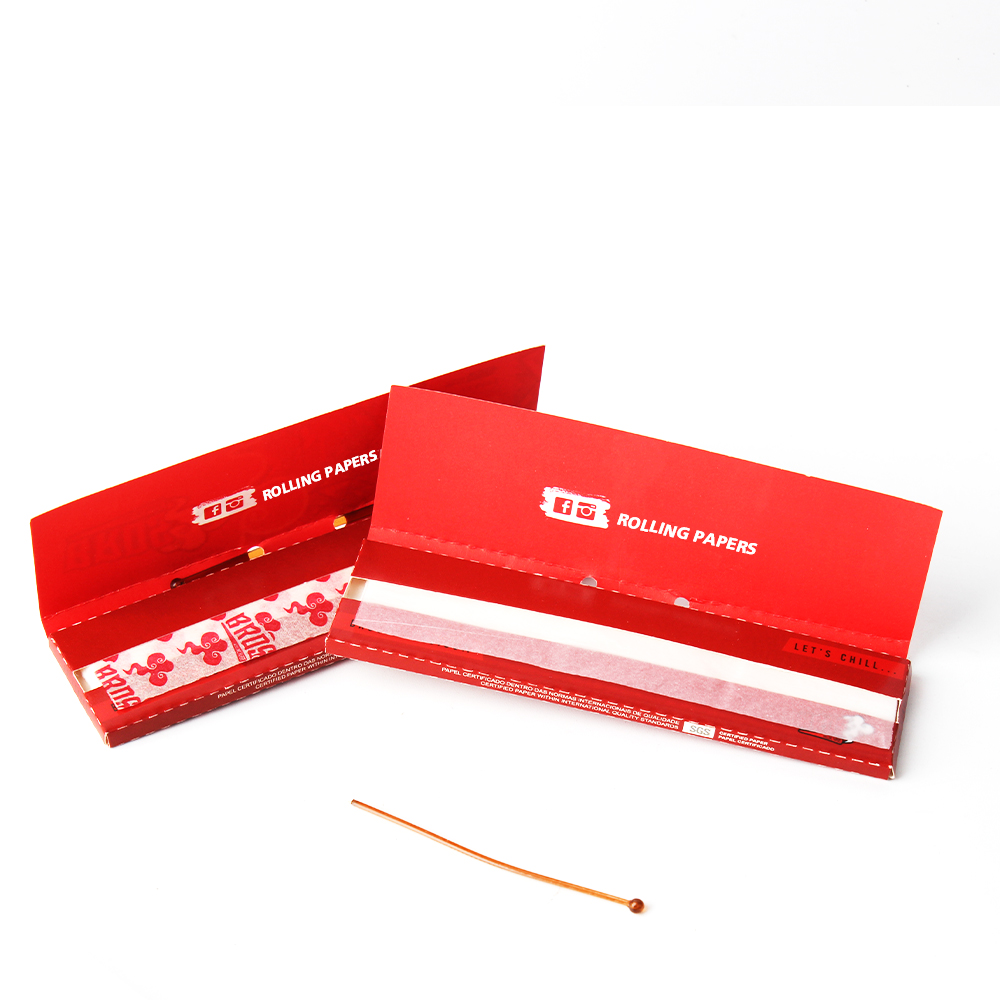
Combining natural fiber cones with W-shaped tips involves understanding the mechanical, material, and design considerations that ensure optimal performance. The process requires careful attention to cone dimensions, filter tip geometry, and assembly methodology. Manufacturers and retailers seeking to enhance their product offerings must evaluate how these components interact to deliver consistent quality and customer satisfaction across every pre-roll produced.
Natural fiber cones are manufactured from sustainably sourced plant materials including hemp, flax, and wood pulp. These materials offer superior burn characteristics compared to synthetic alternatives because they burn more slowly and evenly. Natural fiber cones also eliminate concerns about chemical residues or artificial additives, making them ideal for health-conscious consumers. The material selection directly impacts the final product quality and customer perception in the competitive rolling product market.
Natural fiber cone design prioritizes consistency in cone thickness, diameter uniformity, and structural integrity. These cones resist warping and maintain their shape throughout storage and use, which is essential for reliable product performance. The cone design of natural fiber options allows manufacturers to achieve precise rolling specifications while preserving the environmental credentials that attract modern consumers. Premium natural fiber cones provide manufacturers with a foundation for developing sophisticated smoking products that meet both functional and sustainability expectations.
W-shaped tips feature a distinctive corrugated pattern that maximizes surface area for filtration while maintaining optimal airflow dynamics. This geometric design creates multiple filtration chambers that progressively trap particles and condensate as smoke passes through. W shaped tips are engineered to prevent tip collapse during use, ensuring consistent performance from the first draw to the final moment of consumption. The cone design integration with these sophisticated filter tips requires precision manufacturing and thoughtful assembly processes.
The W-shaped tip architecture provides superior particle filtration without significantly restricting airflow, which distinguishes it from traditional flat or simple corrugated alternatives. Product development teams recognize that W shaped tips deliver measurable improvements in draw consistency and filtration effectiveness. When combined with natural fiber cones, these filter tips enhance the overall smoking experience by reducing harsh sensations and improving flavor delivery. The cone design must accommodate the dimensional requirements of W-shaped tips to ensure seamless integration and reliable performance.
Combining natural fiber cones with W-shaped filter tips requires establishing precise tolerance specifications and assembly protocols. The cone design must be verified to ensure the W-shaped tip fits securely without gaps that could allow unfiltered smoke to bypass the filter mechanism. Product development professionals should conduct mechanical testing to confirm that the cone-to-tip connection withstands normal handling and use. Assembly line efficiency improves when operators understand the specific dimensional requirements and integration points for both components.
Manufacturers implementing natural fiber cones with W-shaped tips must establish rigorous quality control procedures to verify dimensional accuracy and assembly integrity. Each pre-roll unit should undergo visual inspection to confirm proper tip insertion depth and alignment. Product development teams should monitor burn rate consistency, filtration performance, and structural durability through systematic testing protocols. These practices ensure that every unit meets established quality standards and delivers the premium experience that justifies the investment in natural fiber cone design and advanced filter tip technology.
Pre-roll products featuring natural fiber cones with W-shaped filter tips command premium positioning in contemporary retail markets. Consumers recognize the superior performance and environmental responsibility that these combined systems represent. Product development strategies that emphasize the natural fiber composition, advanced cone design, and filtration technology resonate strongly with discerning customers. Retailers and manufacturers can differentiate their offerings by clearly communicating the specific advantages of this integrated approach to cone design and filter tip selection.
Natural fiber cones offer superior burn characteristics, eliminate concerns about chemical residues, and align with consumer preferences for sustainable products. The cone design of natural materials provides consistent performance while supporting environmental responsibility. These benefits justify the premium pricing that natural fiber cones command in the marketplace and enhance brand perception among environmentally conscious consumers.
W shaped tips maximize surface area through corrugated geometry, creating multiple filtration chambers that progressively trap particles and condensate. This cone design integration prevents tip collapse and maintains consistent airflow throughout use. The result is superior particle filtration, reduced harsh sensations, and improved flavor delivery compared to simpler filter alternatives.
Product development teams should establish dimensional specifications, conduct mechanical testing for connection integrity, and implement visual inspection protocols for each unit. Systematic testing should verify burn rate consistency, filtration performance, and structural durability. Monitoring these factors ensures reliable quality and consistent performance across all pre-roll units produced.