EN
EN

how-to-compare-cone-paper-materials-for-privatelabel-products, how-to-compare-cone-paper-materials-for-privatelabel-products, /news
EN
2026/09/28
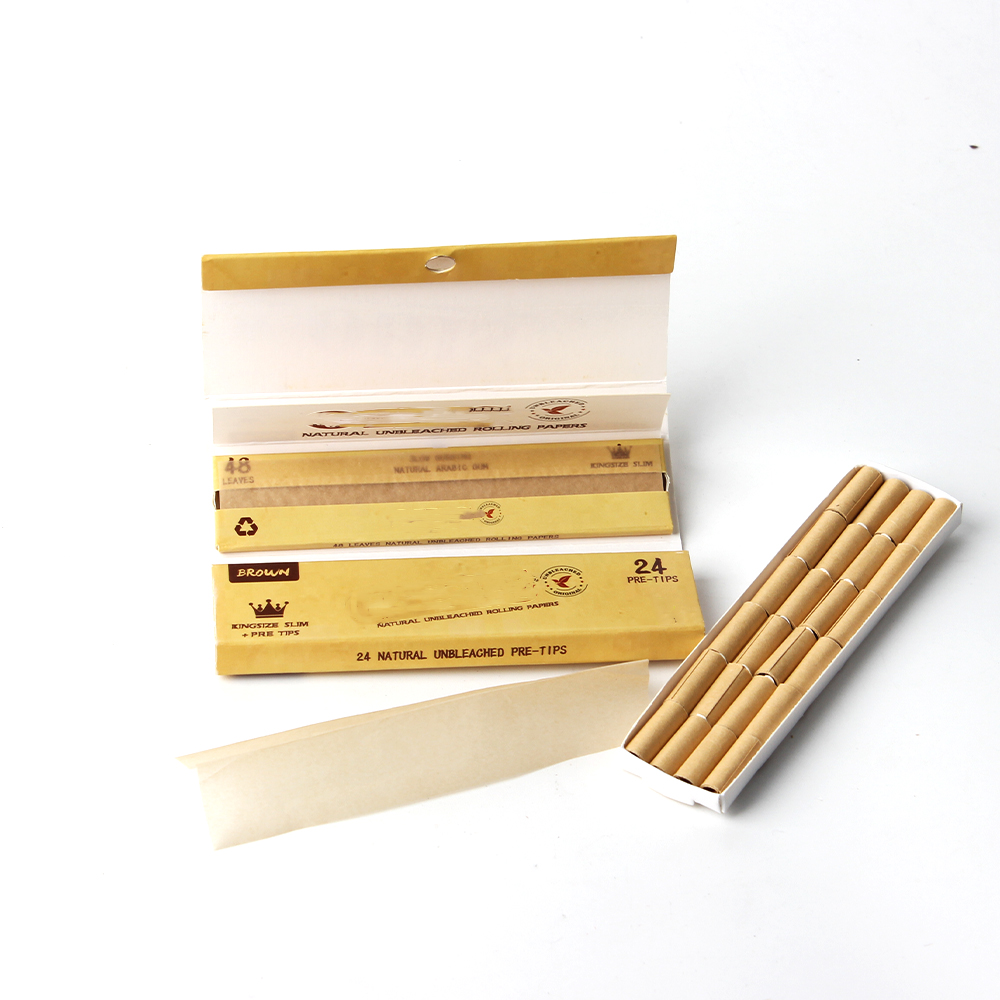
Selecting the right cone paper for your private label brand requires understanding material composition, performance characteristics, and how different options align with your business goals. Whether you're launching a new smoking accessories line or refreshing your existing product portfolio, the choice of cone paper directly impacts customer satisfaction, brand reputation, and profitability. This guide walks you through the essential factors to evaluate when comparing cone paper materials for OEM cones and custom cones production.
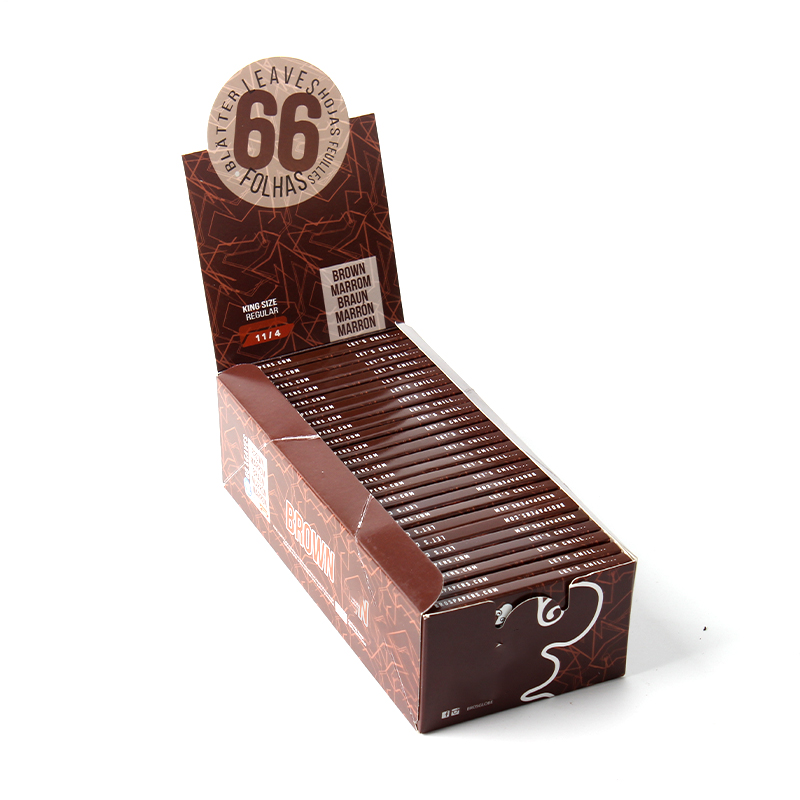
The cone paper you choose becomes the foundation of your product identity. Private label manufacturers face distinct challenges because they must balance cost efficiency with quality standards that protect their brand image. Understanding material comparison principles helps you make informed decisions that support both short-term margins and long-term customer loyalty.
Cone paper quality begins with raw material sourcing. Most premium cone paper originates from sustainably harvested wood pulp or recycled fiber blends. The processing method—whether bleached, unbleached, or naturally processed—affects both the aesthetic appeal and burn characteristics of the final product. Unbleached cone paper typically commands a price premium but appeals to consumers seeking natural, eco-conscious options. Bleached varieties offer brighter appearance and may appeal to different market segments within your private label positioning.
The fiber composition determines thickness, flexibility, and tear resistance. Higher-quality cone paper includes controlled ratios of long fibers and short fibers, ensuring uniform density throughout each cone. When evaluating OEM cones from potential suppliers, request samples and physically test them for consistency. Bend the cone gently; quality paper should flex without cracking. Examine the surface texture under good lighting; smooth, uniform surfaces indicate better manufacturing control than rough or inconsistent finishes.
Cone paper thickness, measured in basis weight (grams per square meter), directly influences durability and user experience. Standard cone paper typically ranges from 25 to 45 gsm, with higher weights providing superior structural integrity. Thicker material resists puncturing during transport and handling, reducing damage claims and returns. However, heavier material also increases production costs and slightly affects rolling characteristics. When comparing material comparison options, establish a minimum thickness threshold that balances durability with cost efficiency for your target market segment.
Weight consistency across production batches is equally important as the baseline specification. Material variations—even subtle ones—create rolling inconsistencies that frustrate end users. Request batch-level weight variance data from your OEM cones supplier. Reputable manufacturers maintain tight tolerance ranges, typically within ±2 gsm of the specified weight. This consistency directly translates to predictable performance and reduces customer complaints related to cone integrity.
Modern cone paper typically includes additives that enhance performance. Sizing agents improve water resistance and prevent excessive moisture absorption. Brightness enhancers contribute to visual appeal without compromising safety. However, premium custom cones minimize chemical loads while maintaining functionality. When conducting material comparison, request complete chemical disclosures from manufacturers. This transparency helps you assess regulatory compliance, consumer safety alignment, and whether the product matches your brand's positioning regarding natural or clean-label attributes.
Fillers and mineral content affect both cone properties and burn characteristics. Some manufacturers use clay or calcium carbonate to improve opacity and surface smoothness. These additions can impact burn rate and ash residue, which directly influences consumer satisfaction. Request burn samples and evaluate ash color, residue amount, and burn consistency. Quality OEM cones should burn cleanly with minimal ash accumulation and consistent heat progression.
Cone paper's moisture content determines storage requirements, shelf stability, and performance consistency. Paper maintained at 8 to 12 percent relative humidity exhibits optimal handling properties and dimensional stability. Excessive moisture causes paper to become brittle and prone to cracking, while insufficient moisture creates stiffness that complicates rolling. When comparing private label cone options, evaluate storage and transportation conditions offered by your potential OEM partners. Climate-controlled facilities ensure material consistency throughout the supply chain, protecting your product quality and reducing waste.
Environmental exposure testing reveals long-term stability. Quality cone paper resists yellowing, brittleness, and odor changes when stored under typical retail conditions. Request accelerated aging data or samples that have been stored for extended periods. This information directly correlates with shelf life, customer experience, and your brand's reputation for reliability.
Different suppliers offer varying production scales and quality management approaches. Larger OEM manufacturers typically maintain sophisticated testing protocols, including moisture analysis, weight variance tracking, and burn property documentation. Smaller suppliers may offer more personalized service but potentially less rigorous process control. When evaluating potential partners for your custom cones production, assess their equipment investment, staff training programs, and third-party certifications. ISO 9001 certification or equivalent quality management systems indicate commitment to consistent output and continuous improvement.
Capacity considerations extend beyond raw production volume. Evaluate minimum order quantities, production lead times, and flexibility for seasonal demand fluctuations. custom cones require suppliers who can scale production efficiently without compromising quality. Request references from other private label clients and understand their experience with consistency, on-time delivery, and responsiveness to quality issues.
Private label success depends on differentiation through unique cone paper selections. Leading OEM suppliers offer various cone paper materials, from standard options to specialized formulations. Some provide eco-friendly alternatives using organic fibers or reduced-bleach processes, appealing to environmentally conscious consumers. Others offer enhanced flavor-neutral papers or papers with improved rolling characteristics for specific market segments. During material comparison discussions with potential suppliers, explore what customization depth they support for cone paper composition, sizing, and finishing options.
Branding opportunities extend beyond cone paper to packaging, labeling, and product presentation. Evaluate whether your OEM partner can integrate your brand identity throughout the supply chain. Consistent branding reinforces market positioning and builds customer loyalty. Discuss minimum order quantities for customized packaging, lead times for branded materials, and any associated cost premiums. Strong private label partners view these customization requests as business opportunities rather than burdensome requirements.
Mid-range cone paper with 28 to 35 gsm basis weight and unbleached or natural processing typically offers optimal cost-to-quality balance for private label brands. This specification provides sufficient durability to minimize returns and damage claims while maintaining competitive production costs. Natural material appeals to quality-conscious consumers without requiring premium pricing. However, optimal specifications vary based on your target market segment and positioning strategy. Request samples from multiple OEM cones suppliers and test them against your quality standards before committing to volume orders.
Request batch testing documentation, including weight variance reports, moisture content measurements, and burn property analysis. Conduct independent third-party testing on received samples to verify claimed specifications. Visit the supplier's facility if possible to observe quality control processes and equipment maintenance practices. Establish agreements that include specification tolerance ranges and consequences for variance violations. Regular audits and ongoing communication create accountability and protect your private label brand from quality inconsistencies that could damage reputation.
For international markets, prioritize environmental stability, consistent burn characteristics, and regulatory compliance across target regions. Different countries maintain varying standards for paper additives, chemical residues, and labeling requirements. Verify that your OEM supplier understands and complies with import regulations for your specific markets. Material that performs well domestically may require reformulation for different climate conditions or consumer preferences elsewhere. Confirm that your cone paper supplier has experience fulfilling international orders and can manage logistics, documentation, and quality assurance across borders effectively.