EN
EN

how-to-compare-filter-tip-samples-from-different-suppliers, how-to-compare-filter-tip-samples-from-different-suppliers, /news
EN
2026/09/10
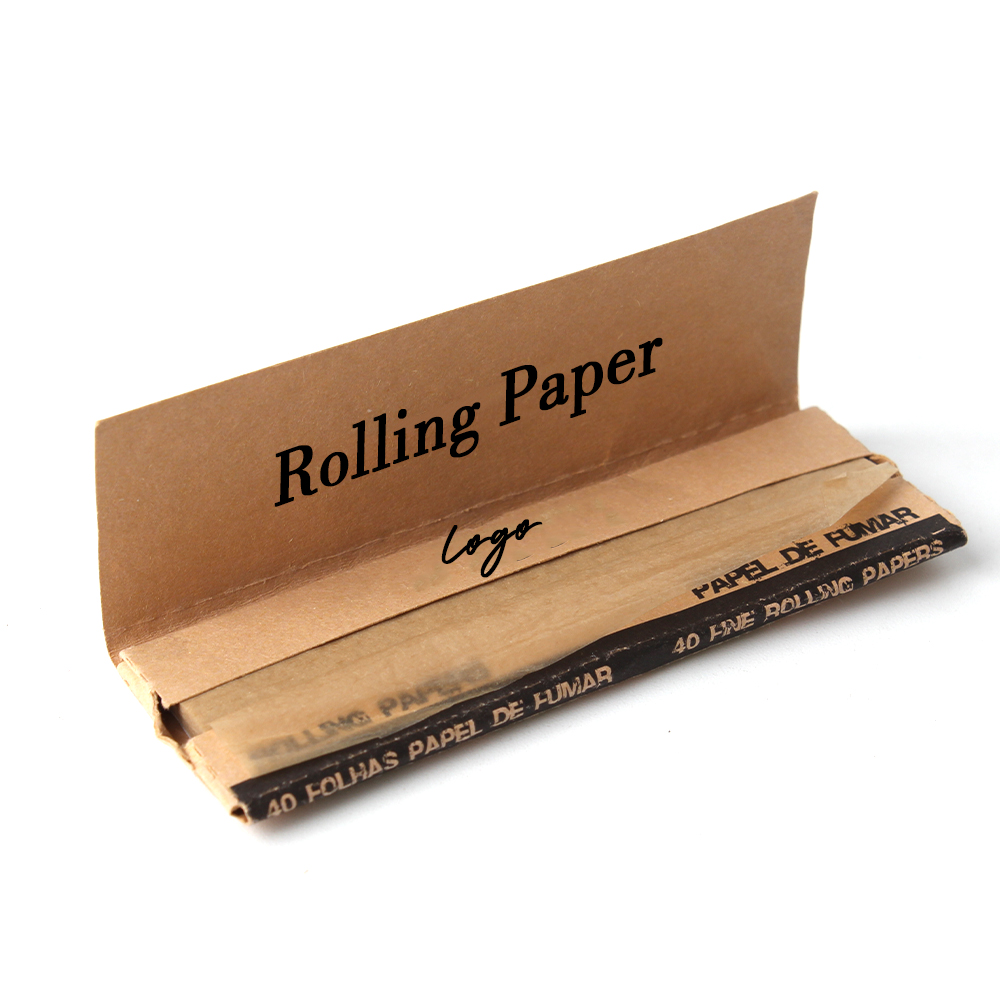
Selecting the right filter tip supplier is a critical decision for any rolling products manufacturer or distributor. Evaluating custom filter tips free sample offerings from multiple vendors allows you to assess quality, consistency, and value before committing to large-scale orders. A structured approach to sample testing ensures you make data-driven sourcing decisions that align with your production standards and customer expectations.
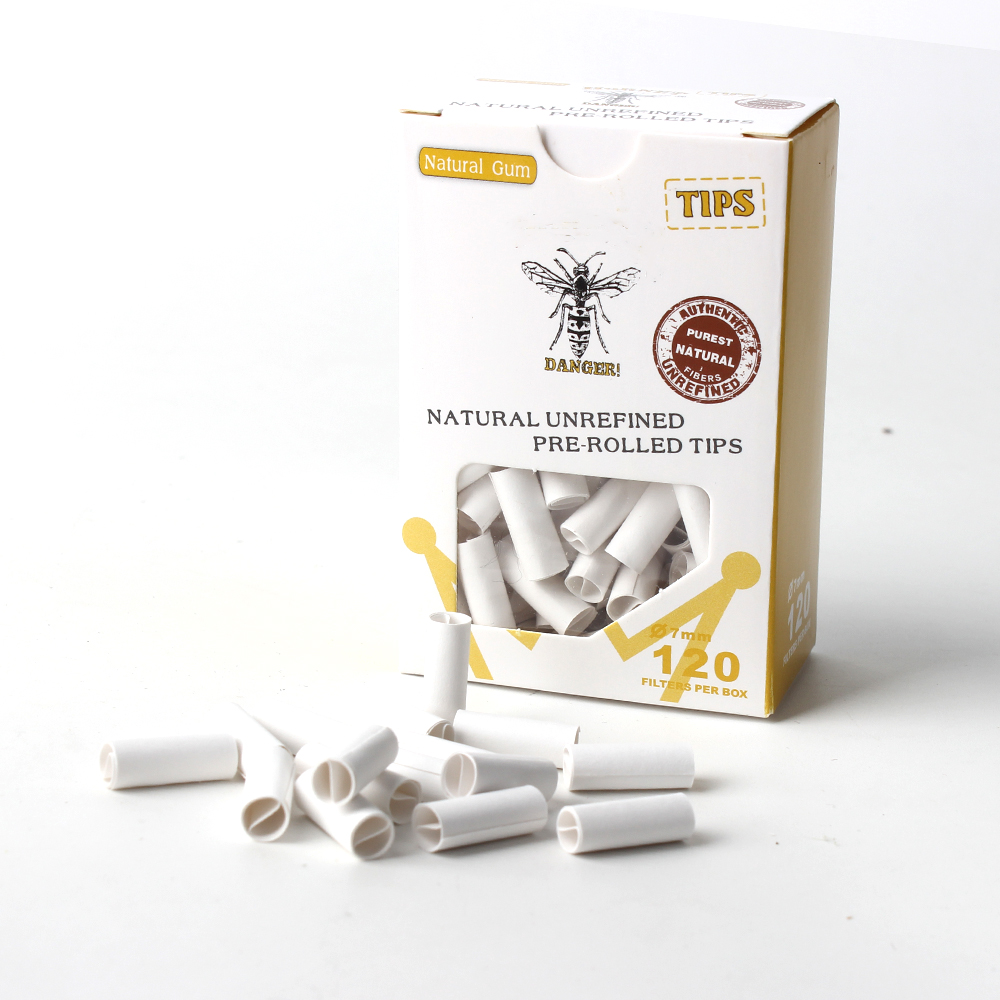
Comparing filter tip samples across suppliers requires more than casual observation. By implementing a systematic evaluation process that examines material composition, structural integrity, and performance characteristics, you reduce procurement risk and identify suppliers who truly understand B2B sourcing requirements. This guide walks you through the essential stages of sample testing and supplier comparison to help you find the best match for your business needs.
Before requesting samples, establish precise specifications that reflect your production requirements and market positioning. Document the exact dimensions, material composition, texture, and performance attributes your operation demands. Filter quality benchmarks should address whether you need natural cellulose, synthetic blends, or specialty materials, as well as any specific regulatory or certification requirements your market enforces.
Clear standards ensure that when you conduct supplier comparison across multiple vendors, you evaluate each sample against identical criteria rather than subjective impressions. Write down acceptable tolerances for diameter, length, firmness, and aesthetic qualities. This documentation becomes your evaluation checklist during sample testing and prevents inconsistent assessment.
Beyond basic dimensions, determine which performance metrics matter most to your operation. These may include draw resistance, durability through handling, tear resistance, and burn characteristics. Some operations prioritize filter quality in terms of consistency across every individual tip, while others emphasize cost-per-unit efficiency. Your B2B sourcing strategy should reflect which metrics drive your competitive advantage.
Supplier comparison becomes more meaningful when you weight these indicators according to actual business impact. If your customers value premium feel and consistency above all else, allocate greater evaluation weight to those factors. If you operate in a cost-sensitive market segment, consistency at different price points becomes your primary filter quality measure.
When contacting suppliers for custom filter tips free sample, request enough units to conduct thorough testing without requiring multiple follow-up requests. A minimum of 100 to 200 sample units per supplier allows you to test for consistency variations, assess quality across different production batches, and share samples with your quality team or key stakeholders. Supplier comparison based on inadequate sample sizes often leads to misleading conclusions about actual production capability.
Request samples that represent typical production output, not specially curated batches. Many B2B sourcing professionals recommend asking suppliers to provide samples from different production runs or dates to ensure you evaluate realistic quality variance. This transparency in sample testing reveals whether filter quality remains consistent across different manufacturing windows.
Physical evaluation forms the foundation of meaningful supplier comparison. Examine each sample for visual defects, color uniformity, and structural consistency. Feel the firmness and texture across multiple units to detect variance that numerical specifications might miss. Test draw resistance by simulating actual use conditions, measuring whether the filter provides appropriate airflow restriction.
Durability testing is equally important during sample testing. Roll the filter tips manually to assess tear resistance and handling durability. Check how samples respond to moisture and temperature changes, as storage conditions often reveal quality weaknesses that static examination misses. This hands-on filter quality assessment informs whether a supplier can reliably meet your production demands at scale.
Develop a simple scoring system that assigns point values to each evaluation criterion established earlier. Rate each supplier's custom filter tips free sample against your standards on a consistent scale—perhaps one to five points for each attribute. Include categories like material consistency, dimensional accuracy, visual appearance, performance characteristics, and overall filter quality perception.
This B2B sourcing methodology transforms subjective impressions into quantifiable data. Supplier comparison becomes transparent and repeatable when multiple team members score samples independently, revealing whether quality judgments are universal or dependent on individual interpretation. Weight higher-priority criteria more heavily in your final scoring to ensure the scoring matrix reflects your actual business priorities.
Effective B2B sourcing extends beyond sample testing to assess supplier communication, responsiveness, and capacity. Request details about their production lead times, minimum order quantities, and flexibility for custom filter tips free sample requests. Reliable suppliers should provide clear information about their quality control processes and willingness to discuss production specifications.
Ask how suppliers handle quality issues or production discrepancies once you place full orders. Supplier comparison should include an evaluation of their problem-solving approach and commitment to continuous improvement. A supplier offering exceptional filter quality in samples but with poor communication or inflexible ordering policies may create operational headaches that outweigh sample-level advantages.
Request custom filter tips free sample from at least three to five different suppliers to ensure meaningful supplier comparison. This range provides adequate competitive perspective while remaining manageable for thorough sample testing. Evaluating fewer suppliers risks overlooking better options, while comparing more than five often introduces diminishing returns in time investment.
Allow two to three weeks for complete sample testing and supplier comparison. This timeline includes sample transit, hands-on evaluation, scoring, team discussion, and follow-up questions with suppliers about filter quality details. Rushing the process often leads to incomplete sample testing and suboptimal supplier comparison outcomes that affect long-term satisfaction.
Yes, when feasible, include input from your production team or key stakeholders during sample testing. Their real-world perspective on filter quality and usability often reveals practical considerations that sample-level evaluation alone might miss. This collaborative approach to supplier comparison strengthens confidence in your final sourcing decision and increases adoption of new supplier relationships.