EN
EN

how-to-compare-overseas-preroll-cone-suppliers-for-import-programs, how-to-compare-overseas-preroll-cone-suppliers-for-import-programs, /news
EN
2026/09/29
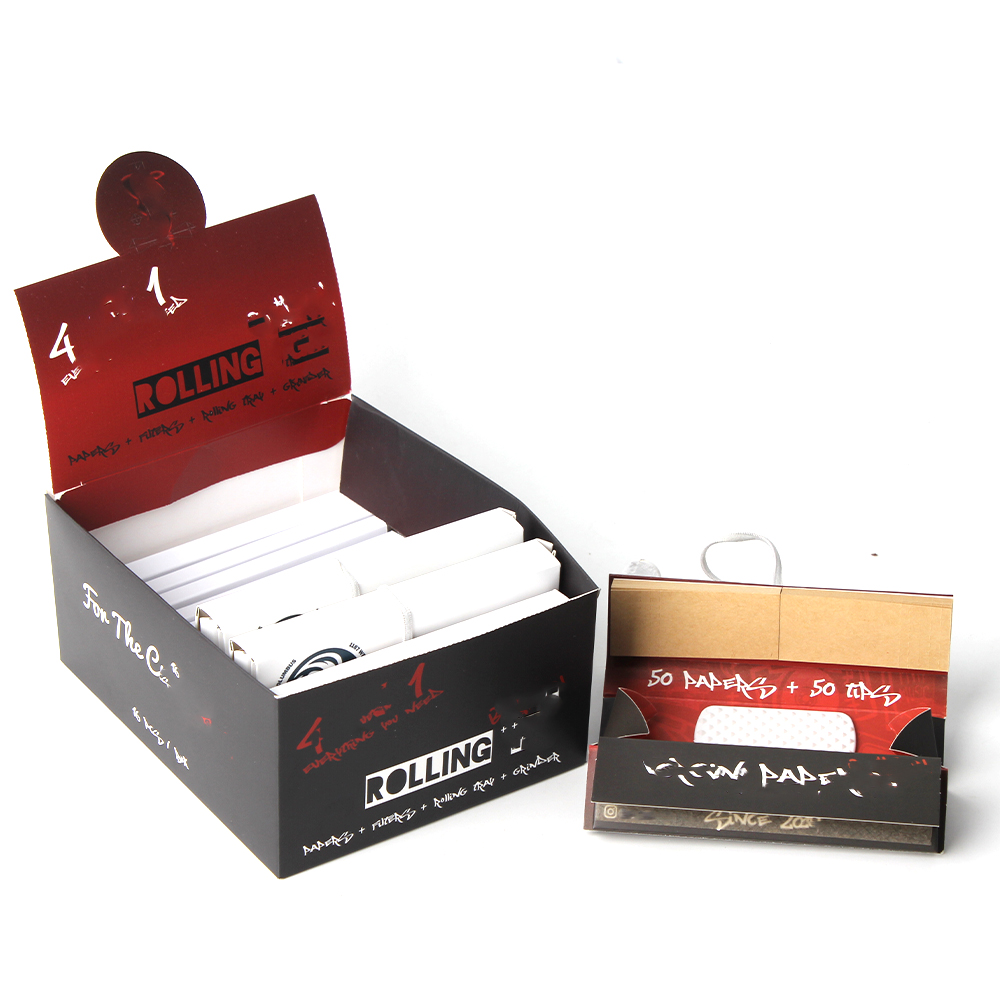
Selecting the right pre rolled cones supplier for your import program requires a structured approach that goes beyond price comparisons. Overseas suppliers offer cost advantages, but quality consistency, production capacity, and reliability become critical factors when building a long-term procurement strategy. Understanding how to evaluate these suppliers systematically will help you avoid costly mistakes and establish partnerships that support your business growth.
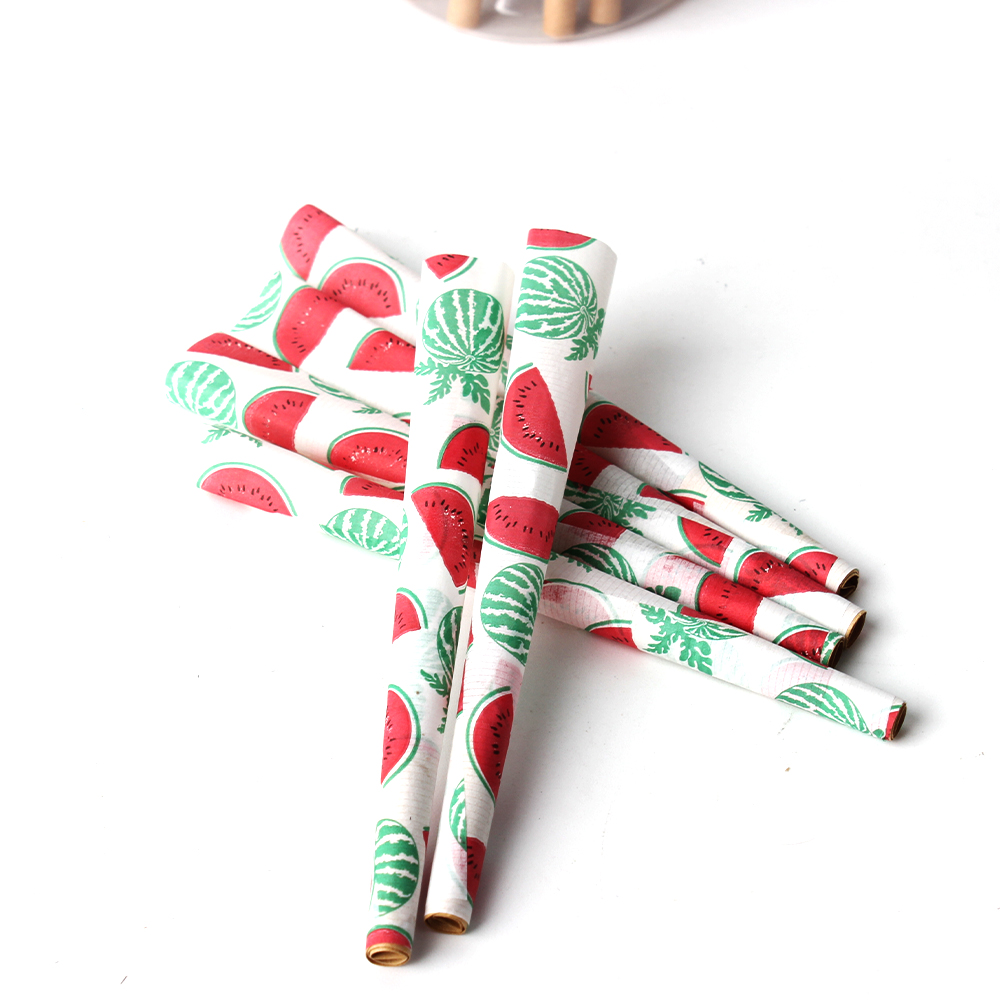
The import sourcing process for wholesale cones demands careful attention to supplier credentials, production standards, and logistics capabilities. Whether you are new to overseas procurement or expanding your existing supplier network, knowing which metrics matter most will streamline your decision-making and reduce supply chain risks. This guide walks you through the key evaluation criteria that distinguish reliable overseas suppliers from questionable partners.
Quality assurance begins with verifying that your overseas supplier holds relevant certifications and adheres to industry standards. Many regions require proof of food-grade or consumer-safety compliance, particularly if your wholesale cones will reach regulated markets. Request documentation such as ISO certifications, manufacturing licenses, and third-party quality audits. Reputable pre rolled cones suppliers maintain transparent documentation and can provide samples that reflect their standard production output. This verification step protects your business from counterfeit materials, contamination risks, and regulatory violations that could damage your reputation.
Consistency in product quality depends heavily on material sourcing and manufacturing protocols. Ask potential suppliers about their raw material procurement, how they control paper thickness, adhesive composition, and filter material specifications. Reliable overseas suppliers maintain tight tolerances and use quality-controlled equipment to ensure every batch meets specifications. Request samples from different production runs to verify uniformity. Inconsistent products lead to customer complaints, returns, and lost business. Understanding the supplier's quality control process for wholesale cones is essential before committing to large orders.
Import sourcing requires balancing cost savings against order minimums and shipping logistics. Compare per-unit pricing across multiple pre rolled cones suppliers, but also assess the minimum order quantities they require. A supplier offering lower per-unit costs may mandate larger minimum orders that strain your cash flow or storage capacity. Calculate the total landed cost, which includes product price, shipping, tariffs, and handling fees. Many overseas suppliers offer tiered pricing that rewards larger commitments. Align volume tiers with your actual sales forecasts to avoid overcommitting inventory that ties up capital unnecessarily.
Payment structures significantly impact cash flow in overseas procurement. Standard terms range from prepayment through letters of credit to post-delivery payment, depending on supplier reliability and your negotiating position. Established overseas suppliers often negotiate more flexible terms once trust is demonstrated. Consider using escrow services or trade finance platforms for first-time orders to reduce fraud risk. Ask about their refund policy if products arrive damaged or fail quality checks. Payment term negotiations directly affect your working capital management and should reflect the supplier's reputation and your risk tolerance.
Successful import sourcing demands clear understanding of shipping methods, lead times, and port procedures. Discuss whether your overseas supplier handles export documentation, arranges freight forwarding, or requires you to manage logistics independently. Lead times for wholesale cones shipments typically range from four to twelve weeks depending on production schedules and shipping routes. Factor in customs clearance time at your destination port. Reliable suppliers provide realistic timelines and communicate proactively about delays. Building safety stock into your inventory planning helps manage seasonal demand and unexpected supply disruptions from overseas partners.
Effective communication across time zones is fundamental to successful overseas supplier relationships. Evaluate the supplier's responsiveness through initial inquiries and negotiations. Do they have dedicated account managers, or do you route all communication through a general email? Can they accommodate video calls for quality discussions? Establish clear communication protocols for order tracking, quality issues, and emergency requests. A pre rolled cones supplier with poor communication channels becomes a liability when problems arise. Strong suppliers invest in communication infrastructure that makes problem resolution faster and reduces costly misunderstandings during the procurement process.
Before finalizing partnership decisions, conduct thorough reference checks with existing customers of potential overseas suppliers. Ask current clients about product consistency, adherence to deadlines, and how the supplier handles complaints. Industry forums, trade associations, and online platforms sometimes publish reviews or feedback about wholesale cones suppliers. Request at least three references from buyers in your region who have successfully imported from the supplier. Checking market reputation takes time but prevents expensive mistakes. Suppliers with strong track records willingly provide references and typically deliver superior service because their reputation depends on it.
Single-source dependency for overseas procurement creates vulnerability to production failures, political disruptions, or shipping blockages. Consider developing relationships with two pre rolled cones suppliers in different geographic regions. This dual-sourcing strategy costs more in management time but protects your business from catastrophic supply interruptions. Allocate perhaps sixty percent of volume to your primary supplier and forty percent to a backup partner. If your primary overseas supplier experiences disruptions, you maintain production continuity. Many successful importers view backup suppliers as business insurance rather than unnecessary overhead, especially when supplying time-sensitive markets.
Request certificates of analysis showing product specifications, proof of compliance certifications, manufacturing licenses, sample shipments, and export documentation capabilities. Also ask for business registration, proof of legal entity status, and references from other import buyers. These documents establish credibility and help verify that the supplier can meet your quality and regulatory requirements.
Obtain quotes from at least three to five overseas suppliers at your target volume level. Calculate landed costs by adding product price, shipping, tariffs, and handling. Compare per-unit costs at different volume tiers offered by each supplier. Check with industry peers or trade associations for typical pricing ranges. Factor in payment terms and any hidden fees. Pricing significantly below market averages may indicate quality shortcuts or fraud, so balance cost competitiveness with supplier reliability.
Key risks include quality inconsistency, production delays, customs issues, payment disputes, and communication breakdowns. Shipping damage or loss, counterfeit materials, and compliance violations also threaten import programs. Mitigation strategies include comprehensive supplier vetting, clear written contracts, quality inspections before shipment, trade finance protection, and maintaining backup suppliers. Building time buffers into inventory planning also absorbs unexpected delays from overseas procurement.