EN
EN
how-to-coordinate-cone-body-and-filter-tip-customization, how-to-coordinate-cone-body-and-filter-tip-customization, /news
EN
2026/08/17
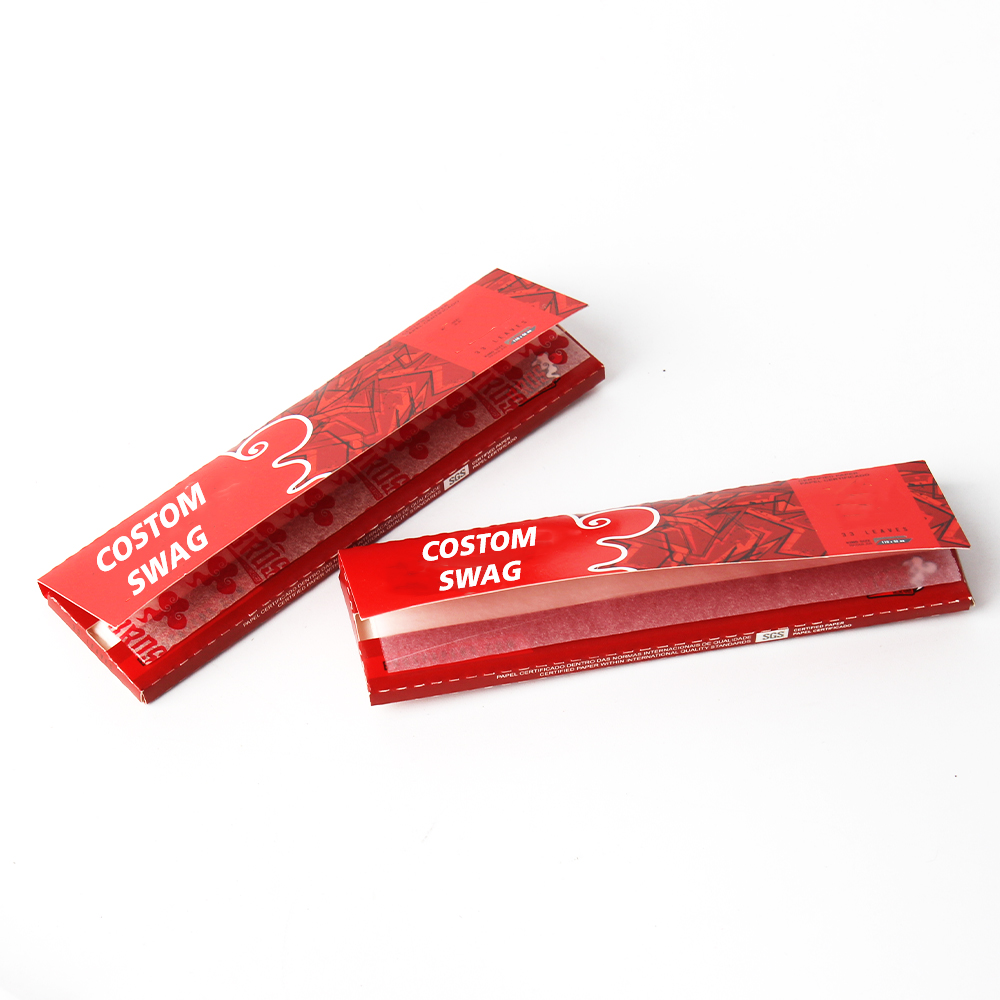
Coordinating Pre-Roll Cones with Filter Tips requires a strategic approach to cone design, filter tip customization, and branding that creates a unified, professional product. When manufacturers approach OEM cones production, the integration of cone body aesthetics with functional filter tip elements determines both customer perception and usability. This coordination process extends beyond simple assembly—it encompasses material compatibility, visual hierarchy, printing alignment, and consumer experience at every touchpoint.
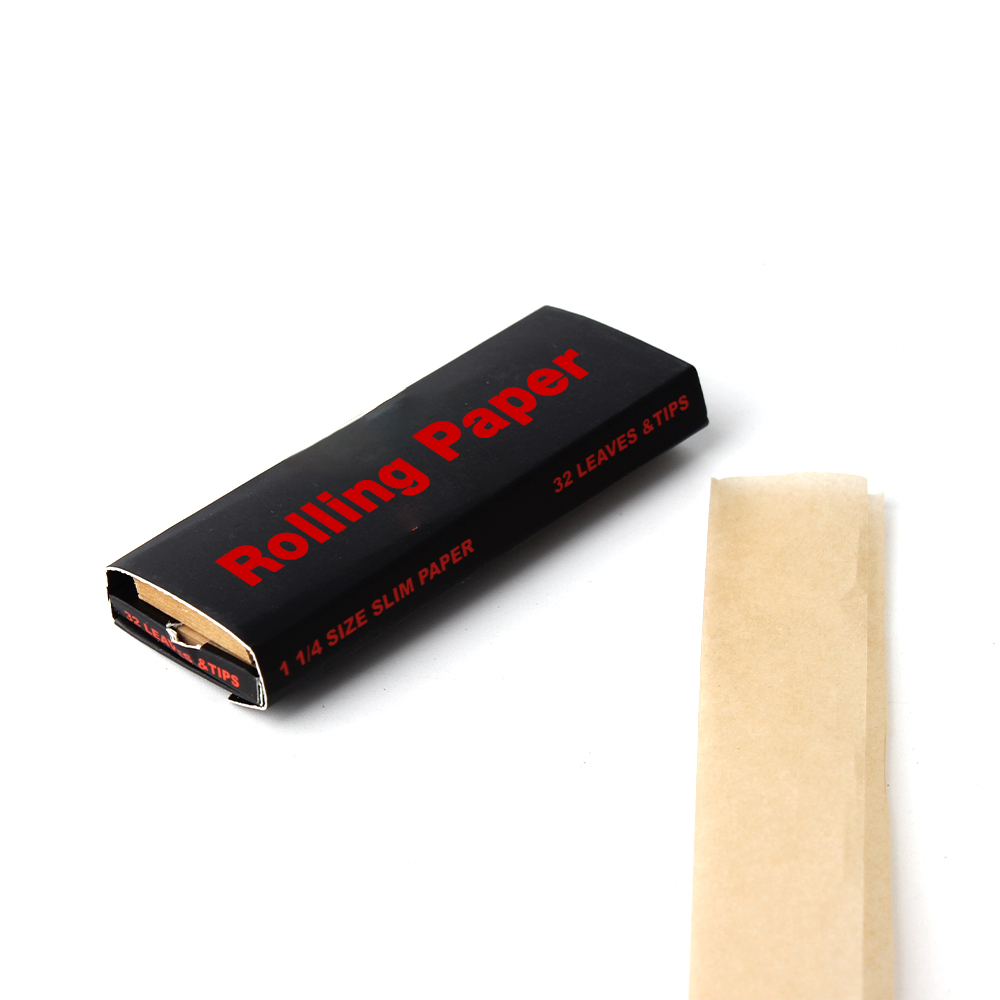
The customization landscape for pre-roll products has evolved significantly, with brand differentiation now depending on seamless coordination between cone body specifications and filter tip performance. Businesses investing in OEM cones must understand how cone design decisions directly influence filter tip attachment points, material flow, burn characteristics, and overall product integrity. A well-coordinated approach prevents manufacturing complications, reduces waste, and delivers end products that reflect brand quality and consumer expectations.
The cone design foundation determines how filter tips integrate with the overall product structure. Standard cone dimensions, paper weight, and sealing methods must be planned before filter tip customization begins. OEM cones typically feature specified base diameters, lengths, and taper angles that create natural attachment zones for filter tips. These structural parameters ensure that filter tips sit flush with the cone opening, preventing gaps, leakage, or misalignment during packing and consumer use.
Material selection in cone design directly impacts filter tip compatibility. Papers with different thickness levels, burn rates, and flexibility characteristics require matched filter tips that accommodate thermal expansion, moisture absorption, and mechanical stress. When cone design and filter tip customization operate independently, manufacturers face defect rates, customer complaints, and production inefficiencies. Coordinated planning from the earliest stages eliminates these friction points and streamlines manufacturing workflows.
Filter tip customization extends beyond inserting pre-made components into cone designs. The filtration material, density, diameter, and length must align with cone specifications and consumer preferences. Custom filter tip designs can include activated carbon elements, herbal infusions, or menthol applications that require cone body modifications to ensure proper insertion depth and retention. OEM cones produced without considering these functional demands create incompatibilities that compromise product performance and brand reputation.
Customization also addresses aesthetic dimensions of filter tips. Colored filter tips, printed bands, and branded wrappers require cone design coordination to prevent visual conflicts or printing overshadow. When logo printing occurs on both the cone body and filter tip wrapper, the combined visual presentation must feel cohesive rather than cluttered. This integration determines whether customers perceive the product as professionally designed or hastily assembled.
Logo printing on OEM cones and filter tips demands precise coordination to create unified brand presence. The cone body surface area, paper texture, and curvature influence where logos appear most effectively and readably. Filter tip wrappers present a separate printing canvas with different size constraints and visibility patterns. Successful coordination places logos at complementary locations—typically the cone's main body with supporting branding on the filter tip wrapper—that reinforce brand identity without overwhelming the product appearance.
Print registration between cone design elements and filter tip components requires careful planning. If cone seams, folding lines, or attachment points coincide with intended logo placement, the visual result appears disjointed or unprofessional. Manufacturers working with OEM cones must map out exact print coordinates, accounting for paper thickness variations, insertion points, and final product orientation. Advanced coordination systems use digital mockups and color sampling to verify visual harmony before production begins.
Color selection for cone design and filter tip customization significantly influences how customers perceive brand quality. Coordinated color schemes—using primary brand colors on the cone body with complementary accent colors on filter tips—create visual sophistication. Mismatched or poorly coordinated colors make professional OEM cones appear budget-conscious or carelessly produced. Brand guidelines ensure that all custom elements maintain consistent color standards across different printing methods and material types.
Ink compatibility across cone surfaces and filter tip materials requires technical coordination. Different papers, cardboard types, and synthetic filter tip materials absorb or reflect inks differently. What appears perfect on the cone design sample may look dull or oversaturated on actual filter tip components. Manufacturers invest in color-matching protocols, production trials, and quality checks to ensure logo printing delivers consistent visual results throughout each production run.
Coordinating cone design with filter tip customization requires understanding production sequences and material behavior. OEM cones undergo multiple manufacturing stages—cone forming, paper curing, sealing, and quality inspection—before filter tip attachment. If filter tips enter production too early, heat or moisture exposure compromises their functionality. Proper sequencing ensures that cone design stability and filter tip performance remain intact through final assembly.
Material compatibility extends to adhesives, binding agents, and attachment methods used to secure filter tips to cone bodies. Different cone materials—bleached paper, unbleached varieties, rolling paper alternatives—require specific adhesive formulations that prevent separation, warping, or chemical interaction. OEM cones produced without considering these material relationships experience higher defect rates and customer returns. Coordinated material selection and testing protocols verify that every component functions together seamlessly.
Quality control for coordinated cone design and filter tip customization demands comprehensive testing protocols. Visual inspections verify that logos appear correctly on both components, that color matches meet brand standards, and that filter tips attach securely. Functional testing ensures that customized filter tips maintain proper airflow, that cone seals prevent leakage, and that the combined product meets burn characteristics expected by end consumers. These quality measures protect brand reputation and ensure repeat customer satisfaction.
Documentation and traceability systems track every production batch, connecting cone design specifications with filter tip customization parameters and logo printing details. This comprehensive record-keeping identifies quality trends, enables rapid problem-solving when issues arise, and demonstrates compliance with manufacturing standards. Manufacturers committed to excellence in OEM cones implement these systems to maintain consistency and accountability across all custom elements.
Cone design determines the diameter, length, and surface characteristics that filter tips must accommodate. Precise cone dimensions ensure that filter tips insert cleanly, remain secure during use, and maintain consistent airflow. Misaligned cone design prevents proper filter tip customization and compromises product performance, so these elements must be coordinated from the planning stage.
Screen printing, flexographic printing, and digital printing each offer advantages depending on cone design complexity and filter tip materials. Screen printing delivers vibrant colors on larger cone surfaces, while digital printing enables complex logo designs. For OEM cones with filter tip customization, manufacturers often use different printing methods for each component to optimize quality, cost, and production efficiency while maintaining visual coordination.
Yes, filter tip customization can be integrated into established cone designs, but success depends on whether the original cone specification accommodates filter attachments. Pre-existing OEM cones designed for simple assembly may require modifications to support advanced filter tip customization, logo printing integration, or performance enhancements. Working with manufacturers experienced in coordinated customization ensures compatibility and minimizes disruptions to production timelines.