EN
EN
how-to-customize-preroll-cones-for-a-privatelabel-brand, how-to-customize-preroll-cones-for-a-privatelabel-brand, /news
EN
2026/08/10
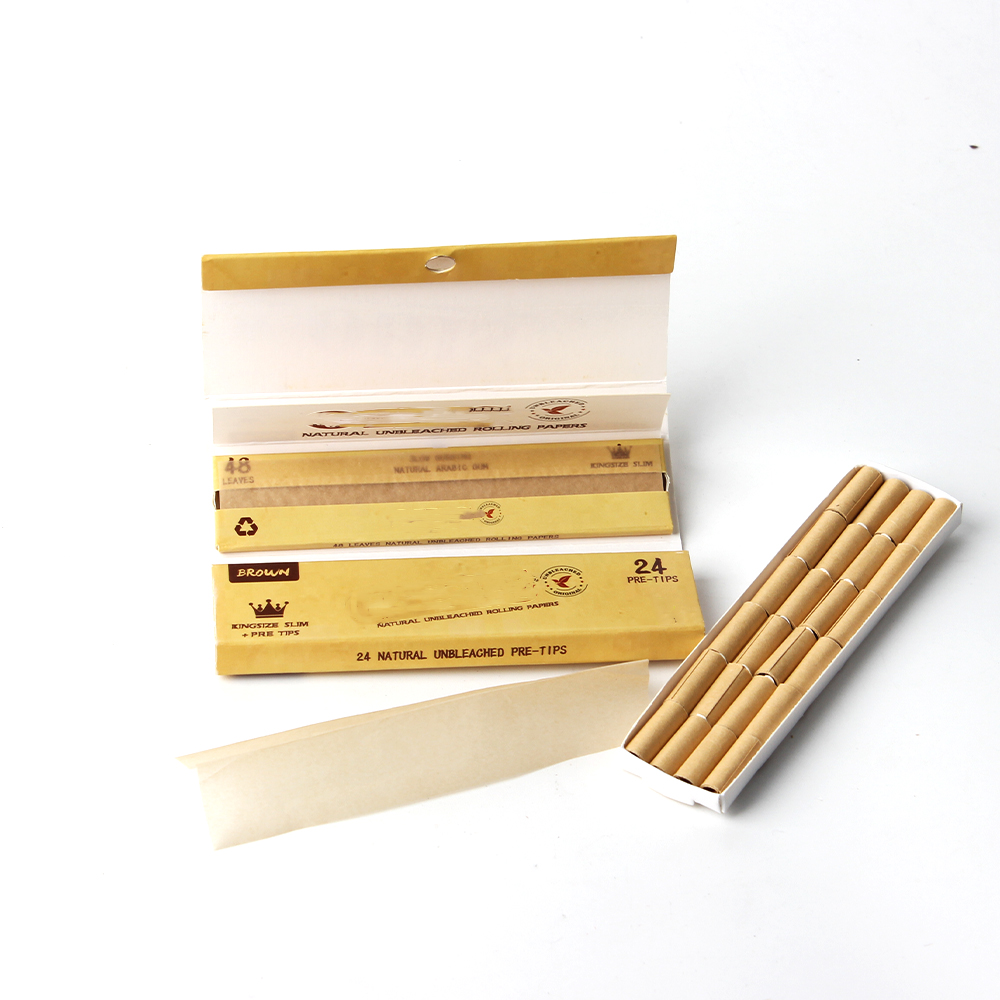
Building a private-label brand requires attention to every detail, and your product packaging is no exception. custom cones have become a cornerstone of brand differentiation in the pre-roll market. Whether you're launching a new line or expanding an existing brand, understanding how to customize cones effectively can transform your product presentation and strengthen customer loyalty. This guide walks you through the essential steps to create private label cones that reflect your brand identity and meet market expectations.
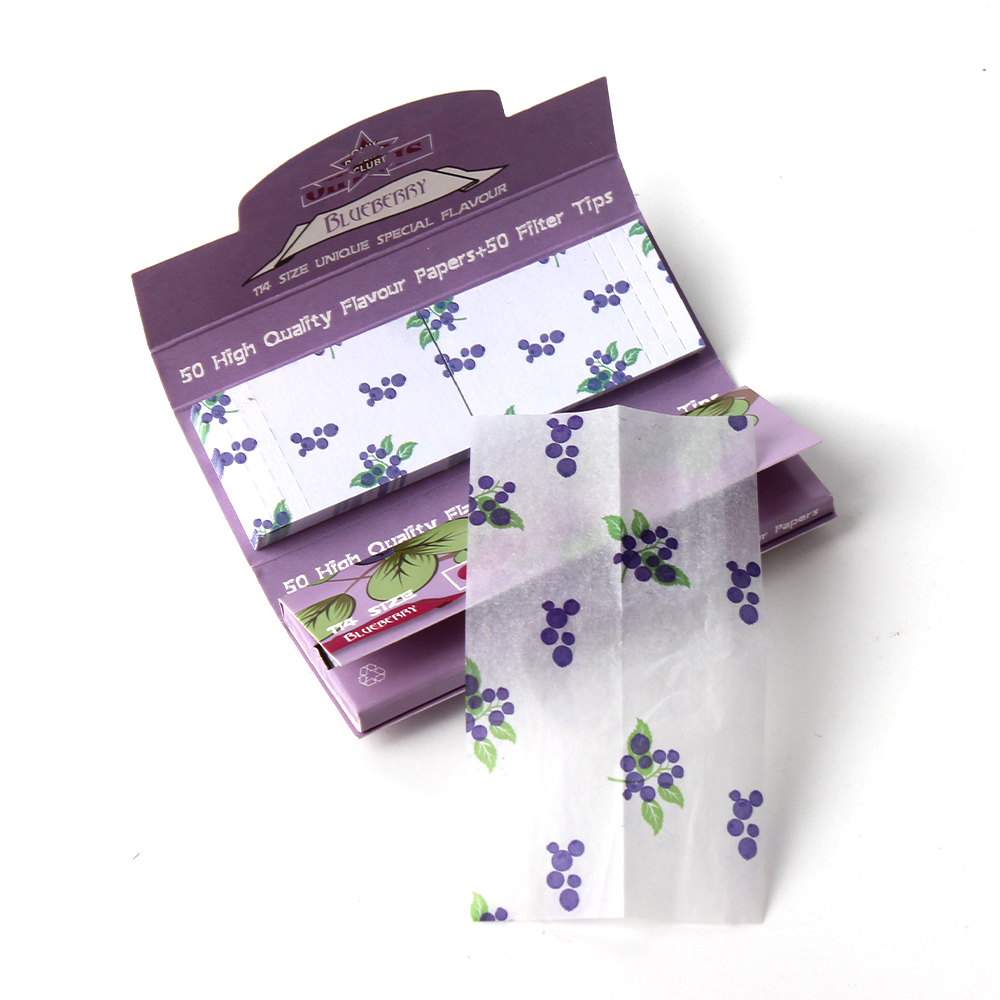
The customization process for private label cones involves strategic decisions about materials, design, functionality, and production volume. OEM cones allow manufacturers to produce products under your brand name without the overhead of building production infrastructure from scratch. Understanding the relationship between OEM cones and your brand vision ensures that the final product aligns with your market positioning and customer expectations.
Private label cones represent a significant competitive advantage in the pre-roll market. When you develop custom cones, you gain complete control over the product experience, from the moment a customer opens the package. OEM manufacturers work with your specifications to produce cones that carry your branding, messaging, and design elements. This approach eliminates the need for costly in-house manufacturing while maintaining quality standards and customization flexibility that define your market position.
The manufacturing relationship for private label cones typically involves selecting an OEM partner who understands your target market and production capacity requirements. These manufacturers specialize in producing bulk quantities of custom cones with consistent quality. The partnership allows you to focus on marketing, distribution, and customer acquisition while the manufacturer handles the technical complexities of product development and production. This model is particularly effective for brands planning significant market expansion or testing new product variations.
Stock cones offer convenience and rapid availability, but custom branding delivers the storytelling and market positioning that resonates with consumers. When you invest in custom cones, you're choosing differentiation over commodity pricing. Private label cones allow you to specify paper weight, cone length, filter material, and finishing details that align with your brand standards. OEM cones manufactured to your exact specifications command premium positioning in the marketplace, justifying higher retail prices and building stronger brand loyalty among your customer base.
Product development for custom cones begins with clarifying your brand requirements and market strategy. Before engaging an OEM manufacturer, document your desired cone dimensions, paper material, burn rate, and filter specifications. Consider whether you want traditional white cones, natural unbleached paper, or specialty finishes. Custom branding elements such as your logo placement, color printing, and any regulatory compliance markings should be finalized during this planning phase. The more detailed your specifications, the more accurately the manufacturer can deliver your vision.
Work with your OEM partner to understand material sourcing, production lead times, and minimum order quantities. Private label cones require production runs that justify the setup costs and customization labor. Most manufacturers establish minimum orders between 10,000 and 50,000 units, depending on the complexity of custom branding and die-cutting requirements. Clarity on these factors prevents costly surprises and ensures smooth product development timelines.
Once specifications are defined, the OEM manufacturer creates prototypes for your review. This stage is critical for verifying that custom branding placement, color accuracy, and overall aesthetics match your expectations. Request samples in various production batches to ensure consistency. Quality assurance testing should include burn rate evaluation, structural integrity, and packaging durability. Private label cones must perform reliably in real-world usage, as product quality directly impacts brand reputation and repeat customer purchases.
Testing should also verify that regulatory compliance markings are accurate and legible. Many jurisdictions require specific labeling on pre-roll related products. Your custom cones must meet all local and regional requirements while maintaining your brand's visual identity. Coordinate with legal and compliance teams during this phase to prevent costly production errors or shipment holds due to labeling issues.
Custom branding transforms your cones from functional products into brand ambassadors. The moment a customer encounters your private label cones, they form impressions about quality, professionalism, and attention to detail. Invest in compelling packaging design that tells your brand story and clearly communicates the product's value proposition. High-quality printing, unique color schemes, and thoughtful design elements justify premium pricing and encourage customer loyalty. Your custom cones should photograph well for social media, as user-generated content amplifies your brand reach organically.
Consider creating limited edition or seasonal variations of your private label cones to generate excitement and encourage repeat purchases. Custom branding allows you to test different designs, messaging, and visual themes without large financial commitments. Successful variations can be scaled into full production runs, while underperforming designs provide valuable market feedback. This iterative approach minimizes risk while maximizing your ability to stay responsive to customer preferences.
As demand for your custom cones grows, production scaling becomes essential for maintaining profitability and market availability. Work with your OEM manufacturer to establish flexible production schedules that accommodate seasonal demand fluctuations. Private label cones typically involve longer lead times than stock alternatives, so accurate demand forecasting is crucial. Build relationships with multiple OEM partners to ensure supply continuity and negotiate competitive pricing as volume increases. Product development strategy should always include contingency plans for supply chain disruptions.
Efficient inventory management prevents excess stock that ties up capital while ensuring you never disappoint customers with stockouts. Implement data-driven forecasting based on historical sales, market trends, and customer feedback. Regular communication with your OEM partner about inventory levels, production schedules, and upcoming demand changes ensures smooth operations and strengthens the partnership. This collaborative approach to product development and production creates a sustainable foundation for long-term brand growth.
Lead times for custom cones typically range from 6 to 12 weeks, depending on design complexity, order volume, and the manufacturer's production schedule. Custom branding, die-cutting, and quality assurance testing add to the timeline. Factors like material sourcing and regulatory compliance verification can extend timelines further. Planning ahead and maintaining clear communication with your OEM partner helps you manage production schedules effectively and meet market demands.
Quality consistency requires establishing detailed specifications and conducting thorough testing on initial prototypes and sample batches from each production run. Private label cones should be evaluated for dimensional accuracy, burn characteristics, printing clarity, and structural integrity. Implement a quality assurance agreement with your OEM manufacturer that defines acceptable tolerances and includes provisions for addressing defects. Regular communication and periodic factory audits help maintain standards and identify potential issues before they affect your entire order.
The cost of custom cones depends on several factors including order volume, design complexity, material selection, and custom branding techniques. Larger production runs typically reduce per-unit costs significantly. Premium materials and specialized finishes increase expenses. Complex printing designs or multi-color custom branding add to manufacturing costs. Your OEM partner can provide detailed cost breakdowns based on your specific requirements, helping you balance product quality and brand positioning with financial objectives. Negotiating volume discounts and exploring material alternatives can optimize your product development budget.