EN
EN

how-to-evaluate-filter-tip-firmness-before-a-bulk-order, how-to-evaluate-filter-tip-firmness-before-a-bulk-order, /news
EN
2026/08/21

Ordering bulk filters is a significant investment for any rolling paper supplier or distributor. Before committing to large quantities, understanding tip firmness becomes critical to ensuring product satisfaction and customer retention. The quality of filter tips directly impacts the smoking experience, and firmness is one of the most variable attributes across manufacturers. Evaluating tip firmness through a custom filter tips sample pack allows you to assess consistency, durability, and feel before placing your bulk order.
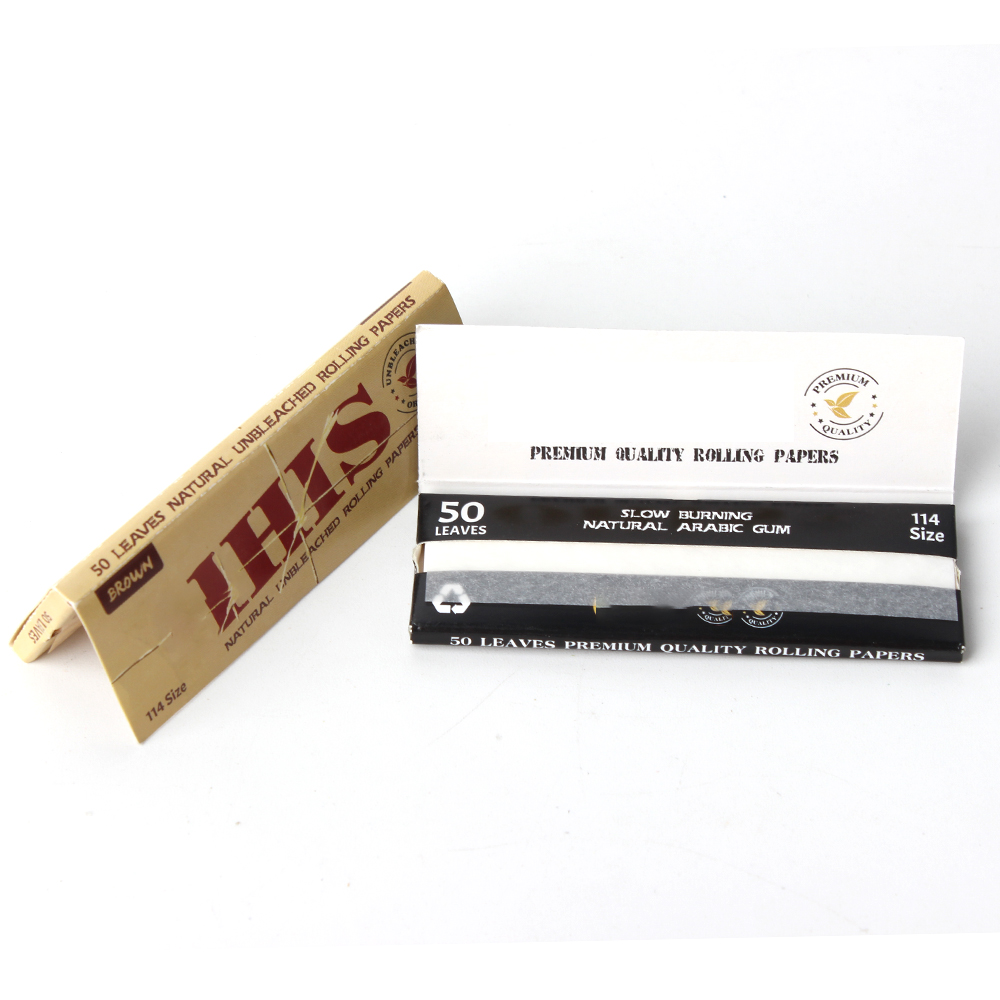
Conducting proper sample testing eliminates costly mistakes and ensures bulk filters meet your exact specifications. This evaluation process requires understanding what firmness levels exist, how to test them accurately, and what kraft paper construction means for performance. By establishing clear evaluation criteria before bulk production begins, you protect your business reputation and maximize the return on your investment in bulk filters.
Tip firmness refers to how resistant a filter tip feels when compressed or when drawing smoke through it. This attribute is determined by the kraft paper composition, the rolling tension applied during manufacturing, and the adhesive used to hold the tip structure together. Firmer tips maintain their shape better during use, while softer tips compress more easily, creating a different smoking experience. Understanding the firmness scale helps you communicate your preferences to manufacturers and assess whether samples meet your requirements.
Tip firmness typically ranges from soft to firm on an informal spectrum, though each manufacturer uses different kraft paper blends and rolling techniques. Soft tips are more pliable and compress significantly under pressure, while firm tips resist compression and maintain rigidity throughout use. Medium firmness represents a balanced option that appeals to broader consumer segments. Recognizing where your desired product sits on this spectrum is essential before bulk filters are produced, as adjusting firmness after production is costly and impractical.
Sample testing eliminates guesswork and reduces risk when ordering bulk filters in large quantities. A custom filter tips sample pack gives you hands-on experience with actual product construction, material quality, and performance characteristics before committing significant capital. This testing phase allows your quality team to verify that the manufacturer can deliver consistent results across the entire bulk run. Testing samples also provides data you can share with end users or retailers, building confidence in your purchasing decisions.
Compression testing involves gently squeezing a filter tip between your fingers to assess how much force is needed to compress it significantly. This method mimics how consumers handle tips during normal use and provides immediate tactile feedback about firmness levels. Drawing resistance testing evaluates how easily air flows through the tip when used in an actual rolled product. Consistency testing examines whether multiple tips from the same sample pack feel uniform, as inconsistent firmness across bulk filters creates a poor customer experience. Durability testing checks whether tips maintain firmness after extended storage or exposure to standard environmental conditions.
Kraft paper forms the primary structural component of filter tips and directly determines firmness characteristics. The weight, density, and fiber composition of kraft paper influence how a tip responds to pressure and use. Higher-density kraft paper naturally creates firmer tips, while lighter grades produce softer, more compressible results. Before ordering bulk filters, evaluating the specific kraft paper grade used in sample tips is essential, as this determines whether the manufacturer can replicate the same firmness in production quantities.
Kraft paper sourcing and quality control directly impact whether bulk filters maintain the firmness demonstrated in your sample pack. Variations in kraft paper supplier, storage conditions, or manufacturing batches can subtly shift firmness across large production runs. When conducting sample testing, request information about the kraft paper source and whether it remains consistent for bulk orders. This transparency helps you verify that the final bulk filters will match the firmness profile you evaluated during the sample testing phase.
Before placing a bulk filters order, document your exact firmness requirements with specific language and reference samples. Describe firmness in terms that manufacturers understand, such as the kraft paper weight, compression resistance level, or comparative descriptions relative to industry standards. Having a clear specification reduces misunderstandings and ensures your custom filter tips sample pack evaluation translates directly into bulk production specifications. Written firmness profiles also serve as quality control checkpoints when bulk filters arrive.
Share your sample testing results and firmness preferences directly with potential manufacturers before requesting bulk quotes. Manufacturers appreciate detailed feedback because it allows them to provide accurate estimates of feasibility and pricing. Discussing tip firmness requirements upfront prevents expensive production delays or rejected bulk shipments. When manufacturers understand your expectations through sample testing data, they can ensure bulk filters consistently meet the firmness standards your business requires.
The most practical approach combines gentle compression testing with actual use testing. Compress several tips between your fingers to assess baseline firmness, then roll actual products with the sample tips to evaluate drawing resistance and real-world performance. Compare multiple tips from the sample pack to verify consistency. Document your findings in writing so you can reference them when evaluating bulk filters upon arrival. This multi-method approach gives you comprehensive data for making bulk ordering decisions.
Kraft paper weight is one of the primary determinants of tip firmness in bulk filters. Heavier kraft paper naturally resists compression and creates firmer tips, while lighter paper produces softer, more pliable results. When evaluating your custom filter tips sample pack, ask manufacturers about the kraft paper weight and specification. Understanding this relationship helps you specify exactly what firmness level you need for bulk production and ensures consistency across large orders.
Adjusting tip firmness after bulk filter manufacturing is impractical and extremely costly. Changes to firmness require modifications to kraft paper selection, rolling tension, or adhesive formulation, essentially requiring a new production run. This is why sample testing before bulk commitment is so valuable—it allows you to confirm firmness specifications with minimal risk. Investing time in thorough sample evaluation upfront prevents expensive problems down the line when bulk filters arrive.