EN
EN

how-to-evaluate-rolling-tip-samples-before-mass-production, how-to-evaluate-rolling-tip-samples-before-mass-production, /news
EN
2026/09/07
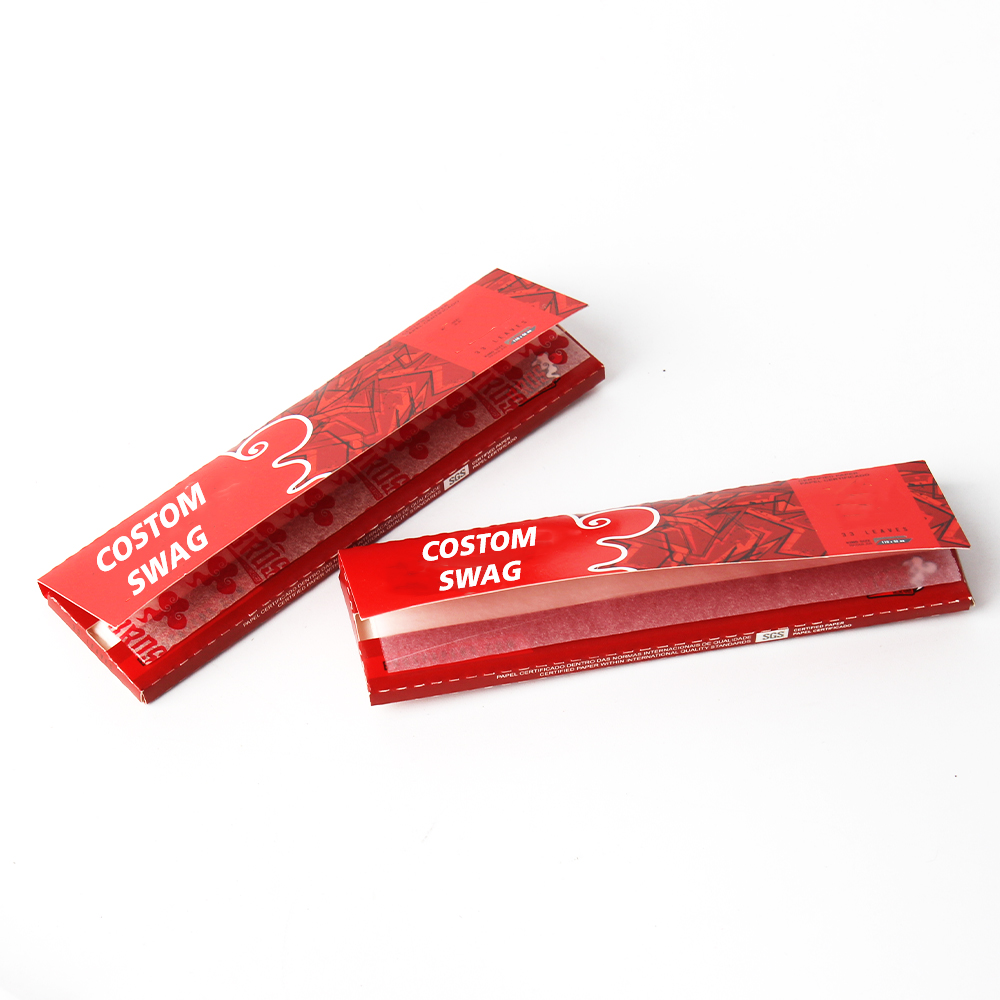
Launching a new rolling tip product into mass production without thorough evaluation is a significant business risk. Before committing resources and capital to full-scale manufacturing, you must conduct rigorous sample testing to verify that your custom filter tips sample pack meets all performance, quality, and specification standards. This evaluation phase separates successful product launches from costly failures, ensuring that every unit produced will meet customer expectations and regulatory requirements.
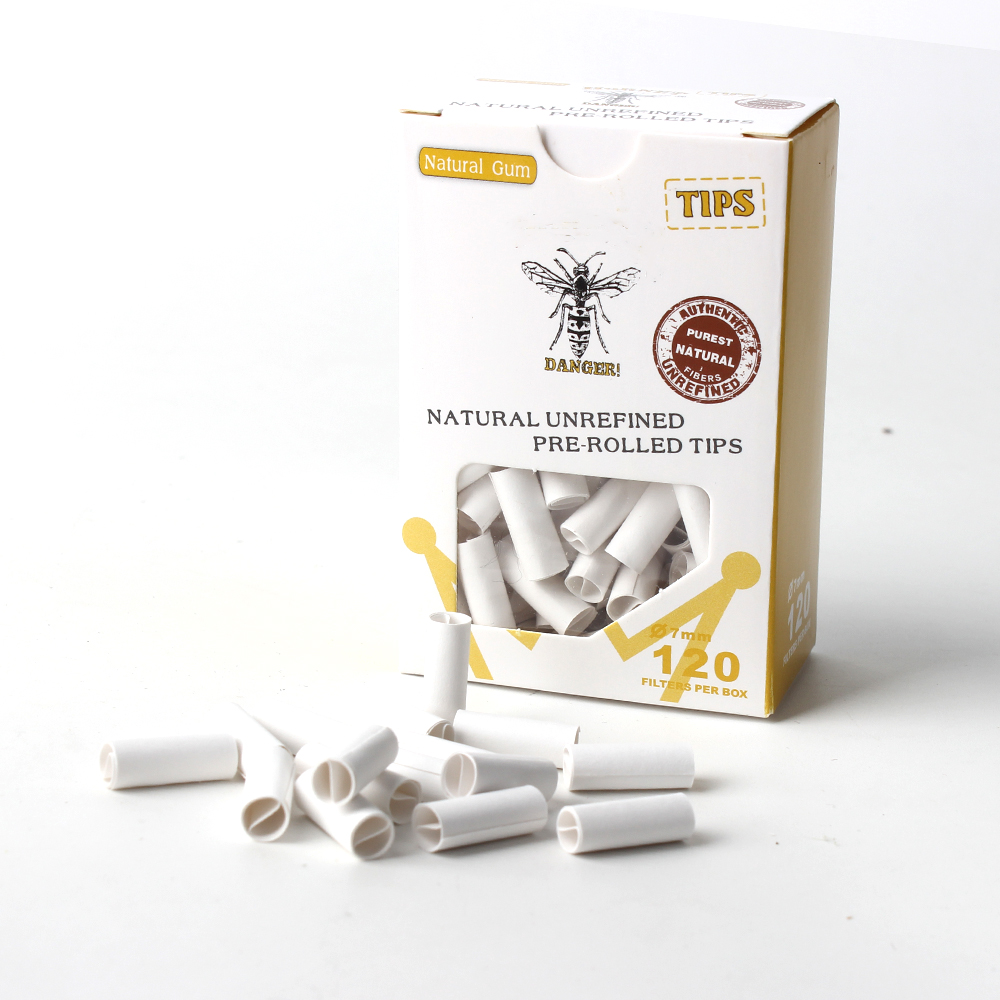
The evaluation process for rolling tips requires a systematic approach that goes beyond basic visual inspection. A comprehensive assessment involves testing material consistency, filter effectiveness, draw resistance, durability during use, and compatibility with various rolling papers and tobacco products. By implementing a structured quality approval process before mass production begins, manufacturers can identify design flaws, material defects, or production inconsistencies early, when corrections are still cost-effective and time-efficient.
Before you evaluate your rolling tips samples, you must establish clear testing parameters based on your target market and intended use cases. Different customer segments may prioritize different qualities. Some users prioritize smooth airflow, while others emphasize durability or aesthetic appearance. Your sample testing must address all critical performance indicators relevant to your market positioning. This means creating a detailed specification checklist that includes dimensional accuracy, material composition, structural integrity, and functional performance metrics.
Quality approval begins with defining what 'acceptable' means for your custom filter tips sample pack. Establish measurable standards for every aspect of performance, including tip diameter variance, wall thickness consistency, filter integrity, and burn characteristics. Document these criteria in writing before testing begins to ensure objectivity. When standards are vague, evaluators may make inconsistent judgments, leading to quality issues in mass production. Clear acceptance criteria also provide manufacturers with precise targets for process optimization and quality control implementation.
Effective sample testing begins with physical examination of your rolling tips materials. Measure tip dimensions using calibrated instruments to verify consistency across all samples. Check wall thickness uniformity, as variations indicate potential manufacturing inconsistencies that will compound during mass production. Inspect material color, texture, and finish to confirm consistency with your design specifications. Perform flexibility tests to ensure tips don't crack or break under normal use conditions. Material testing also includes verification that all components meet regulatory standards and contain no harmful substances, which is critical for mass production compliance and customer safety.
Beyond physical characteristics, your quality approval process must evaluate how rolling tips actually perform during use. Test draw resistance by measuring airflow through completed samples, ensuring tips provide the intended smoking experience. Assess filter effectiveness by checking particulate capture and material shedding under realistic use scenarios. Evaluate compatibility with different rolling papers, tobacco products, and smoking devices to ensure broad market applicability. Functional testing should also include stress testing, where samples are subjected to realistic handling, storage, and use conditions to identify potential failure points before mass production deployment.
When moving rolling tips from sample testing to mass production, consistency becomes paramount. Evaluate whether your custom filter tips sample pack demonstrates uniform quality across all samples, as this indicates your manufacturing process is stable and controllable at scale. Test multiple samples from different production batches if available to identify any batch-to-batch variation. Inconsistency in samples predicts inconsistency in mass production runs, making this assessment essential for quality approval decisions. Document exact measurements, test results, and observations to establish baseline standards that production teams will maintain throughout manufacturing.
Sample testing reveals whether your production process can reliably deliver quality at scale. Use your evaluation findings to document detailed manufacturing specifications, including material sourcing requirements, equipment settings, quality checkpoints, and inspection protocols. This documentation becomes the foundation for maintaining quality approval standards during mass production. When sample testing identifies variations or defects, trace them back to specific production steps to pinpoint corrections needed. Comprehensive documentation also provides manufacturers with clear guidance for training production staff and calibrating equipment, reducing the risk of quality degradation as production volume increases.
Industry best practices typically require testing at least 30 to 50 samples for statistical validity, though exact numbers depend on your specific product complexity and tolerance levels. Your custom filter tips sample pack should include samples from different production batches and timing periods to capture potential variation sources. This larger sample size provides confidence that results represent genuine product quality rather than random variation. Statistically significant sample testing also protects your business from quality issues that might affect customer satisfaction and brand reputation after mass production begins.
If sample testing reveals failures, never proceed to mass production without investigation and correction. Conduct root cause analysis to identify whether the problem stems from material selection, equipment calibration, design specifications, or production technique. Work with your manufacturing partner to implement corrections, then conduct repeat sample testing on the revised production process before approving mass production. This iterative approach ensures that issues discovered during evaluation are genuinely resolved rather than masked. Failing to address identified problems during sample testing typically results in defective mass production runs that damage market reputation and generate costly returns.
Yes, incorporating feedback from representative end users strengthens your quality approval process significantly. User testing for rolling tips can reveal functional issues, aesthetic preferences, and real-world performance characteristics that laboratory testing might overlook. Consider providing your custom filter tips sample pack to beta testers or focus groups representing your target market for practical evaluation. This external perspective validates that your product meets actual market expectations and not just internal specifications. User feedback often identifies unexpected use cases or failure modes that inform final quality approval decisions and help prevent market rejection after mass production begins.