EN
EN

how-to-evaluate-slowburning-preroll-cones-for-a-brand-line, how-to-evaluate-slowburning-preroll-cones-for-a-brand-line, /news
EN
2026/09/15
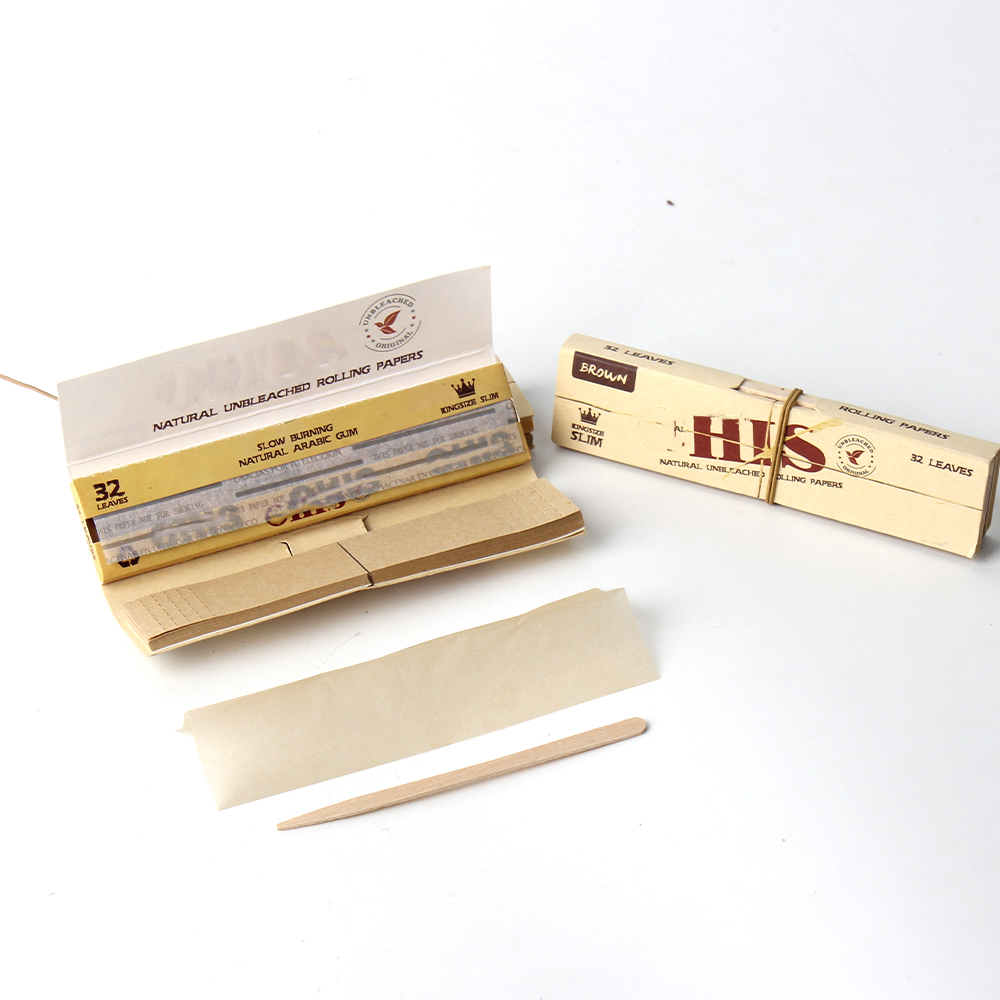
Selecting the right pre roll cones for your brand requires careful evaluation of multiple factors that directly impact product quality, customer satisfaction, and brand reputation. The cone paper composition, burn characteristics, and manufacturing consistency all play critical roles in determining whether a supplier can meet your brand standards. Developing a systematic evaluation process ensures you select cones that align with your brand values and deliver the experience your customers expect.
Building a sustainable brand in the rolling product industry demands that you understand the technical specifications and quality markers that distinguish premium slow burning cones from standard alternatives. This comprehensive guide walks you through the evaluation framework for cone paper quality, burn performance testing, and brand sourcing best practices. By implementing structured sample testing protocols and establishing clear quality benchmarks, you can confidently choose suppliers that support your long-term brand growth.
The foundation of superior slow burning cones begins with understanding cone paper materials and their origin. Premium cone paper typically uses natural fibers derived from sustainable sources, which provide both environmental credibility and superior burn characteristics. The weight, porosity, and fiber blend of the cone paper directly influence how evenly and slowly the cone burns. When evaluating slow burning cones, request detailed material specifications from potential suppliers, including GSM weight, fiber composition percentages, and any chemical treatments used during manufacturing. Suppliers who withhold this information may be using lower-grade materials that could damage your brand reputation.
Slow burning cones should meet specific performance benchmarks that go beyond marketing claims. Request burn time data from your supplier under standardized conditions, such as burn duration in minutes under controlled airflow. The consistency of burn rate across multiple cones from the same batch indicates manufacturing quality and quality control rigor. Pre roll cones with inconsistent burn characteristics create negative customer experiences and generate returns. Ask suppliers whether they conduct independent third-party burn testing or only rely on internal quality checks. Transparent suppliers welcome questions about their testing protocols and can provide documentation supporting their slow burning claims.
Structured sample testing forms the backbone of intelligent brand sourcing decisions. Begin by requesting sample batches across multiple production runs from your potential supplier, not just a single hand-picked sample. Spread your sample testing across at least three different production periods to identify variability patterns that might not appear in a single batch. During sample testing, establish clear evaluation criteria including visual consistency, burn uniformity, structural integrity, and flavor impact on the product. Document every test result in a centralized spreadsheet or quality management system to create a reliable historical record for comparison purposes. This systematic approach to sample testing reveals whether a supplier can consistently meet your brand standards or only performs well on specially prepared samples.
Physical testing remains essential despite supplier certifications and technical specifications. Have your team conduct actual burn tests with pre roll cones filled with your standard product blend, as this real-world scenario reveals how cone paper performs under actual conditions. Measure burn time, ash color, and burn pattern consistency across multiple cones during sample testing sessions. Pay attention to whether the slow burning cones maintain structural integrity throughout the burn, as weakening cone paper can collapse during use. Test the draw resistance as well, since cone paper thickness and porosity affect how easily customers can draw on the product. These practical tests often reveal issues that laboratory data alone might miss, providing decisive information for your brand sourcing evaluation.
Once you complete sample testing and identify top candidates, establish written quality standards that protect your brand. Define specific requirements for pre roll cones including burn time ranges, acceptable ash color, structural strength measurements, and consistency tolerances across production batches. Create a quality scorecard that scores suppliers against these benchmarks, providing objective data to support your supplier selection. The scorecard might include categories such as cone paper quality, slow burning performance, consistency reliability, pricing competitiveness, and customer support responsiveness. Sharing your quality benchmarks with suppliers demonstrates that your brand takes quality seriously and sets clear expectations for ongoing partnerships. Suppliers who commit to meeting documented standards demonstrate professionalism and reliability in brand sourcing relationships.
Successful brand sourcing extends beyond selecting the lowest-cost supplier to building partnerships with vendors who understand your brand vision. During supplier evaluation, assess their willingness to customize cone paper specifications, provide regular quality reports, and accommodate your growth trajectory. Request information about their production capacity and flexibility to handle seasonal demand variations or special brand releases. Establish communication protocols for addressing quality issues quickly, including how quickly they respond to complaints and whether they implement corrective actions transparently. Suppliers who view brand sourcing as a long-term partnership rather than a transactional relationship typically deliver more consistent quality and remain invested in your brand success.
Premium slow burning cones typically burn for 10-15 minutes under standard test conditions, though exact burn times depend on cone size, cone paper weight, and product density inside the cone. Your sample testing should establish the specific burn time that matches your brand's target experience and customer expectations. Consistency matters more than hitting a specific number; all cones from a production batch should fall within a narrow range of each other, typically within 1-2 minutes of variation. Request that your supplier provide burn time data with acceptable ranges rather than single target numbers, as this reflects manufacturing reality and allows you to evaluate consistency.
Industry best practice suggests requesting at least 500-1000 sample pre roll cones spread across multiple production batches before making a significant supply commitment. This volume allows you to conduct extensive testing, sample from different batches to identify variability, and involve your quality team and customer feedback panels in the evaluation. Smaller sample sizes of 100-200 cones work for initial screening of multiple suppliers, but final supplier selection requires larger sample batches. Many suppliers offer graduated sampling programs where you test smaller quantities initially, then increase volume as quality performance improves your confidence in their capabilities.
Watch for suppliers who cannot provide detailed cone paper specifications, decline to share burn test data, or become defensive when you request multiple sample batches. Inconsistent quality across different sample batches, slow response times to your questions, or unwillingness to customize orders for your brand suggest they may not prioritize quality as highly as your brand requires. If slow burning performance claims cannot be backed by documentation or third-party verification, exercise caution, as marketing claims alone do not guarantee product performance. Suppliers who pressure you to commit before completing thorough sample testing or who cannot explain their manufacturing quality control processes may pose risks to your brand reputation and customer satisfaction.