EN
EN
how-to-keep-branding-consistent-across-cone-body-and-filter-tip, how-to-keep-branding-consistent-across-cone-body-and-filter-tip, /news
EN
2026/08/06
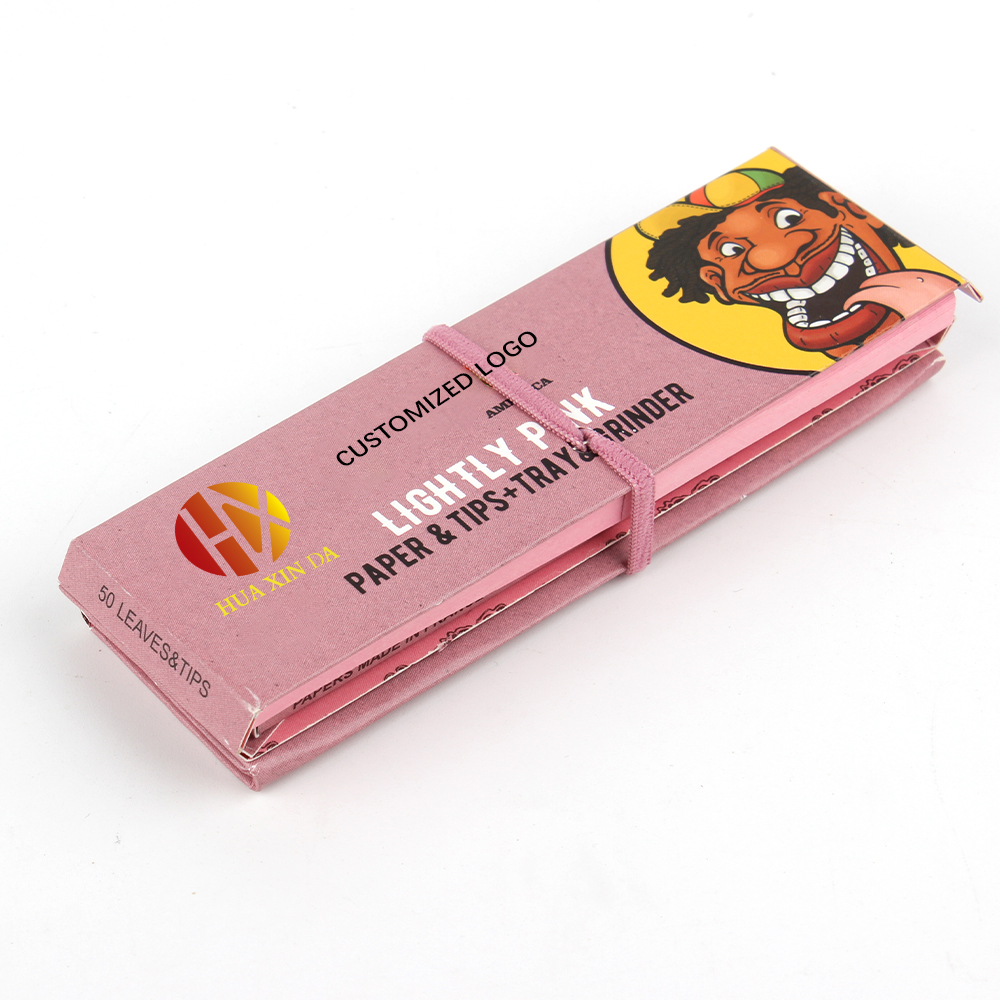
Achieving visual consistency across your product line is essential for building brand recognition and customer loyalty. When you're offering pre roll cones with filter tips custom logo, maintaining that consistency becomes more complex because you're managing two distinct surfaces—the cone body and the filter tip—each requiring careful design coordination. This article explores practical strategies for ensuring your branding looks cohesive, professional, and instantly recognizable across both components.
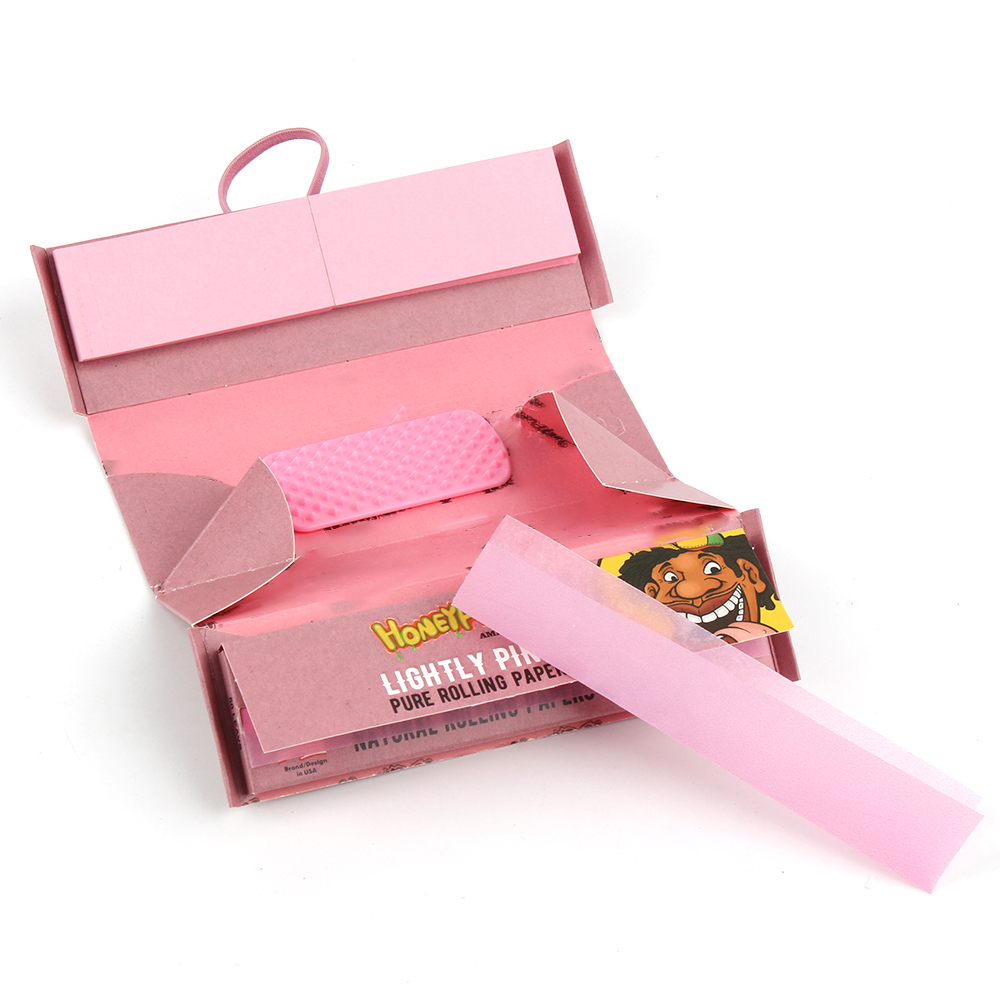
For producers in the cannabis, tobacco, and specialty rolling markets, brand consistency goes beyond aesthetics. It reflects your commitment to quality, builds trust with retailers and consumers, and differentiates your private label offering in a competitive marketplace. When cone printing and filter tip logo placement work together seamlessly, customers develop a visual anchor that makes your brand instantly identifiable on retail shelves and during use.
Your brand consistency begins with defining core visual elements that will appear on both the cone body and the filter tip. These typically include your logo, color palette, typography, and any supporting graphics or patterns. The challenge lies in adapting these elements to fit the unique dimensions and shapes of each surface. The cone body offers a larger, curved surface ideal for detailed artwork, while the filter tip presents a smaller, often rectangular space that demands simplification and strategic placement.
When developing cone printing specifications, prioritize legibility and visual hierarchy. Your primary logo should be immediately recognizable even at small sizes, particularly on the filter tip where space is limited. Consider creating a simplified logo variant specifically for filter tip logo applications while keeping your full branding on the main cone body. This approach maintains brand consistency while respecting the practical constraints of each component. Test your designs at actual product size before committing to full production runs.
Color consistency across cone printing on different substrate materials presents a real technical challenge. Pre-roll cones are typically made from paper with varying finishes and opacity levels, while filter tips may use different materials like paper, cellulose acetate, or cork composite. Each material absorbs ink differently, which means the same ink color can appear noticeably different on the cone body versus the filter tip. To maintain brand consistency, work closely with your private label manufacturer to conduct color matching tests on actual production materials before scaling up.
Request multiple proof samples showing your filter tip logo and cone printing side by side under consistent lighting. Pantone color specifications should be provided to your printing partner along with substrate samples. Some producers use slightly adjusted ink formulations for different surfaces to achieve visual consistency. This level of detail separates amateur operations from professional private label producers who understand that brand consistency requires more than just copying the same design onto different materials.
Your filter tip logo serves a dual purpose: it reinforces your brand during use and provides a crucial recognition point before the cone is even lit. Position your primary brand mark prominently on the front-facing area of the filter tip, where it's visible to both the user and anyone nearby. The cone body can accommodate more elaborate branding and additional information, creating a visual hierarchy that guides the eye naturally from the filter tip logo to the full design on the cone itself.
Many successful private label producers use a consistent top-to-bottom visual flow: the filter tip logo at the tip end, followed by the main cone printing featuring the full brand treatment. This creates a unified visual experience that reinforces brand consistency regardless of how the product is displayed or used. Some designs incorporate a continuous pattern or edge treatment that carries from the filter tip across the cone body, visually connecting the two components into a single branded package.
Achieving flawless brand consistency requires rigorous quality control throughout the production process. Different printing techniques—flexography, digital printing, and offset printing—produce varying results in terms of color accuracy, edge definition, and registration precision. Your manufacturer should use the same printing technology and quality standards for both the cone printing process and filter tip logo application. Batch testing should verify that colors match within acceptable tolerances across the entire production run.
Establish clear specifications for registration accuracy, meaning how precisely the design aligns on each piece. Acceptable registration tolerance varies depending on your design complexity, but for brand consistency purposes, maintain tolerances as tight as practical for your production volume. Implement random sampling and inspection procedures that verify both the cone printing quality and filter tip logo integrity throughout manufacturing. Any deviation should trigger investigation before the entire batch ships to retailers.
When you're developing private label products, clear communication with your manufacturing partner is absolutely critical for achieving brand consistency. Provide comprehensive design specifications that include vector artwork, color references, substrate materials, printing techniques, and quality standards. Create detailed mock-ups showing how your cone printing and filter tip logo will appear on the finished product. Include multiple views: front, back, tilted angles, and close-ups of specific design elements.
Schedule a pre-production approval meeting where you review physical samples of your filter tip logo placement and cone printing before full production begins. This investment in clarity upfront prevents costly reprints and ensures your brand consistency requirements are met from the first production run. Many experienced private label producers require the manufacturer to provide hand-drawn mockups or digital renderings showing exactly how the cone printing and filter tip logo will appear together on the final product.
As your private label business grows and you place larger orders, maintaining brand consistency across multiple production batches becomes increasingly important. Different manufacturing runs can show subtle variations in color, print density, and registration if specifications aren't strictly enforced. Implement a batch approval process where you inspect samples from each production run before approving the full shipment. Request certificates of conformance from your manufacturer that document the printing parameters, color values, and quality metrics for each batch.
Document your design standards in a comprehensive brand guidelines document that your manufacturer can reference for all future orders. This document should include detailed specifications for cone printing dimensions, filter tip logo size and placement, color values in Pantone and CMYK format, and acceptable quality tolerances. By treating your private label manufacturing relationship as an ongoing partnership with documented standards, you protect brand consistency even as production volumes scale and potentially involve multiple manufacturing facilities.
Different cone printing technologies—flexography, digital, and offset—produce varying levels of color accuracy and edge definition. Selecting a consistent printing method across all your pre roll cones with filter tips custom logo ensures that batch-to-batch variation remains minimal. Your manufacturer should use the same equipment and ink specifications for every production run to maintain brand consistency. Regular quality audits verify that color matching and registration accuracy remain within your established tolerances throughout the production process.
Filter tip logo design requires simplification compared to your full cone body branding. Create a condensed version of your logo that remains instantly recognizable at small scales. Focus on core brand elements like your primary symbol or abbreviated text rather than attempting to fit your complete design onto limited filter tip space. Test your filter tip logo at actual production size before committing to manufacturing. This ensures the design maintains visual impact and brand consistency while respecting the physical constraints of the filter tip component.
Color consistency across different substrates requires proactive color matching with actual production materials. Request multiple proof samples showing cone printing and filter tip logo results on the exact materials you'll use. Provide your manufacturer with Pantone color specifications and substrate samples to reference. Some manufacturers adjust ink formulations slightly for different materials to achieve visual consistency. Document the approved color values for future production runs and conduct regular batch sampling to verify that color matching remains consistent as orders grow.