EN
EN

how-to-match-preroll-cones-with-filter-tips-for-automated-filling, how-to-match-preroll-cones-with-filter-tips-for-automated-filling, /news
EN
2026/08/17
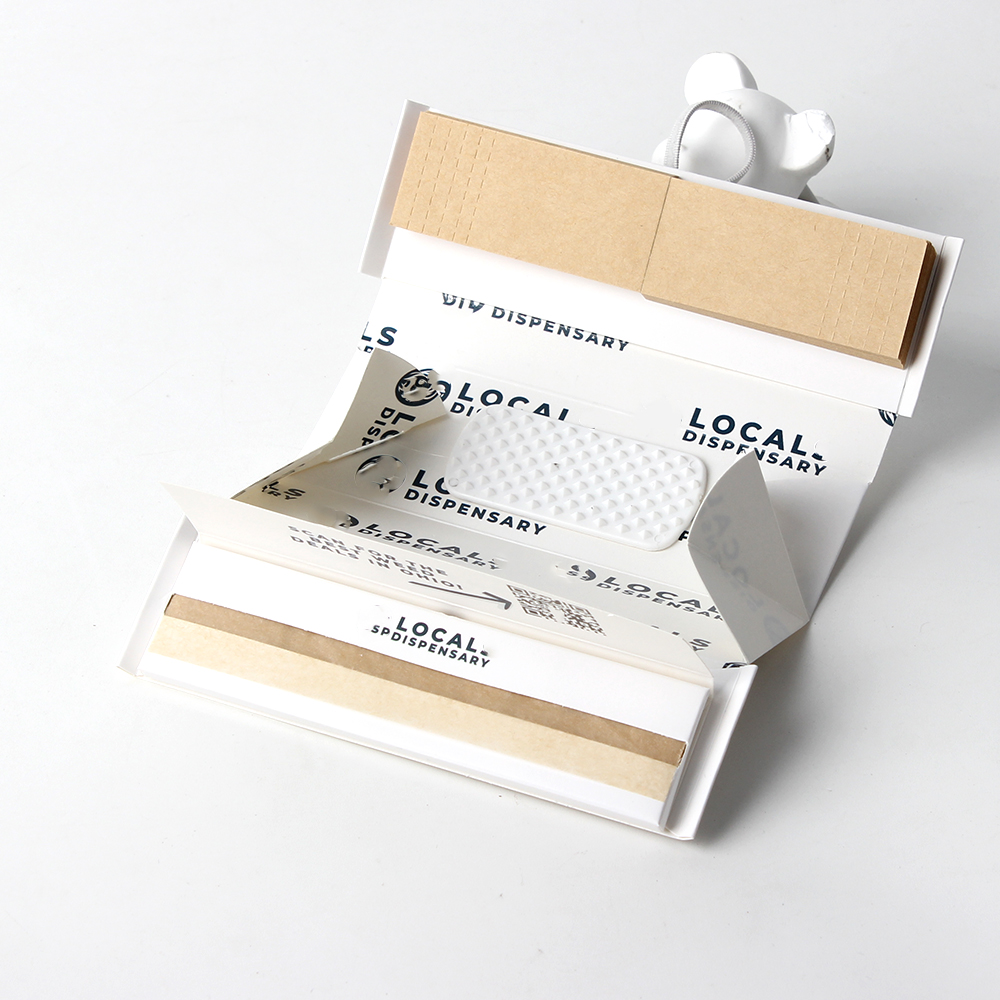
Automated filling systems require precise alignment between pre-roll cones and filter tips to ensure consistent production quality and operational efficiency. Matching these components correctly prevents jams, reduces waste, and maintains the integrity of your manufacturing workflow. Understanding the relationship between cone dimensions, filter tip specifications, and machine tolerances is essential for anyone operating or managing a pre-roll production facility.
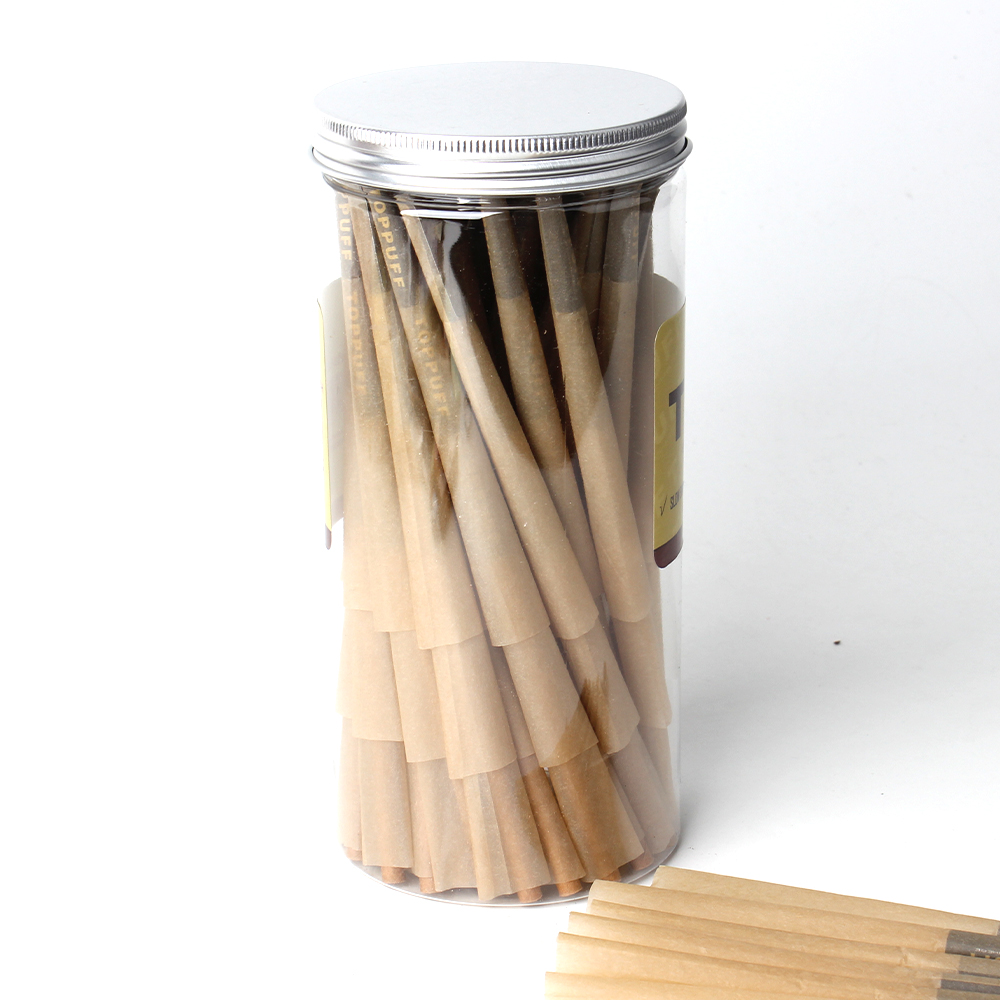
The process of selecting compatible components involves evaluating multiple technical parameters that directly impact filling accuracy and production speed. Pre-roll cones come in various diameter sizes and material compositions, while filter tips vary in length, diameter, and insertion depth requirements. When these specifications misalign, automated systems struggle to achieve the precision needed for professional-grade products.
Dimensional consistency represents the foundation of successful automated filling operations. Industry-standard pre-roll cones typically measure between 70mm and 110mm in length, with internal diameters ranging from 14mm to 28mm depending on product type. Filter tips must match these internal dimensions precisely, as even minor variations create operational challenges. When dimensional consistency is maintained across batches, your filling equipment operates predictably and produces uniform results.
Cone compatibility requires attention to both outer and inner diameter measurements. The filter tip insertion point must align perfectly with the cone's opening, ensuring the tip seats securely without forcing or loose movement. Manufacturers specify tolerance ranges, typically within 0.5mm to 1mm, that define acceptable dimensional variations. Operating outside these ranges compromises the stability of the assembly during automated processing.
Different cone materials require different filter tip designs to maintain optimal cone compatibility. Natural unbleached paper cones respond differently to moisture and compression than bleached varieties or kraft-based alternatives. Filter tips manufactured from cellulose acetate, paper, or specialized composite materials each provide different insertion characteristics and holding strength. Your selection must account for how each material combination performs under your specific filling machine's mechanical pressure and feed rate.
Material matching also affects long-term production consistency. Mismatched materials can cause premature wear on filter tips, leading to incomplete insertions or tips becoming dislodged during the filling cycle. Testing sample batches of different material combinations helps identify which pairings deliver the reliability your operation requires.
Successful automated filling depends on precise calibration between your equipment and the specific Pre-Roll Cones with Filter Tips you operate with. Before running production, conduct a comprehensive review of your machine's feeder mechanism, cone guidance rails, and filter tip insertion apparatus. Verify that all mechanical components are set to specifications matching your chosen cone and filter tip dimensions. Most manufacturers provide detailed calibration guidelines that specify exact positioning for various component sizes.
Feeder speed adjustments play a critical role in maintaining consistent cone compatibility throughout the filling process. Running feeders too quickly can cause cones to misalign or filter tips to insert at improper angles. Conversely, speeds that are too slow reduce production efficiency and increase processing time. Finding the optimal speed threshold requires testing with your specific cone and filter tip combination, then documenting those settings for ongoing production runs.
Implementing systematic quality checks ensures that cone compatibility remains consistent throughout your production shift. Inspect random samples at regular intervals to verify that filter tips are seating correctly within cones and that no loose components exist. Dimensional consistency verification using calibrated measuring tools helps catch drift in component specifications before it affects the entire batch. Track rejection rates, jam incidents, and incomplete filling events to identify whether issues stem from component incompatibility or equipment malfunction.
Establishing baseline performance metrics for your automated filling process provides a reference point for detecting problems early. Document the expected jam rate, insertion success percentage, and production speed for your chosen component combination. When actual performance deviates from baseline, this signals a potential issue with component sourcing, equipment calibration, or material batch variation. Rapid identification of performance drift prevents cascading production delays and quality compromises.
When evaluating suppliers for pre-roll cones and filter tips, request samples from different production batches to assess dimensional consistency. Run these samples through your automated filling system under controlled conditions to identify any variations in feed behavior or component alignment. Some suppliers maintain tighter tolerances than others, and this quality difference directly impacts your production reliability. Suppliers who provide detailed specification sheets, tolerance documentation, and batch certifications demonstrate commitment to precision that automated filling operations require.
Establishing long-term relationships with reliable suppliers reduces the risk of unexpected component incompatibility disrupting your production schedule. Request that suppliers maintain documented processes for dimensional consistency quality assurance. Some suppliers offer customization options to match your specific machine requirements, which may justify a slight premium for the operational stability you gain. Regular communication with suppliers about your actual production performance helps identify opportunities for improvement or component refinement.
Consistency across multiple production runs requires purchasing components from the same supplier batches whenever possible, or at minimum verifying that new batches meet identical specifications. When you must transition to a new supplier or batch, conduct full testing before integrating it into regular production. Document the lot numbers, purchase dates, and performance characteristics of each component batch you use. This traceability helps identify whether quality issues correlate with specific batches or suppliers, enabling rapid problem resolution.
Implementing a component inventory system that tracks batch information supports dimensional consistency across time. Rather than using first-in-first-out rotation, maintain inventory organized by supplier batch to prevent accidentally mixing components with slightly different tolerance ranges. This disciplined approach may seem administratively complex, but it prevents costly production disruptions caused by unexpected component incompatibility.
Industry standards typically define acceptable tolerance at 0.5mm to 1mm for internal diameter matching between cones and filter tips. Your specific automated filling machine may have tighter or wider tolerances depending on its design and mechanical precision. Consult your equipment manufacturer's specifications to determine the exact tolerance range your system requires. Testing with sample components helps confirm whether tighter tolerances improve your production consistency.
When dimensional consistency is precisely maintained across cone and filter tip components, your automated filling system operates at maximum speed without jamming or misalignment issues. Mismatched dimensions force the machine to slow down to prevent equipment damage or product rejection. Better cone compatibility through consistent dimensions enables faster production rates, higher throughput, and improved profitability. Poor dimensional consistency can reduce production speed by 20-40%, representing significant efficiency losses over time.
Yes, different filter tip materials can technically work with the same cone type, but performance characteristics vary significantly. Cellulose acetate tips provide different insertion firmness compared to paper or composite alternatives. Your automated filling machine may perform optimally with one material combination while experiencing issues with another. Testing different material pairings with your specific equipment determines which combinations deliver the cone compatibility and production reliability your operation requires.