EN
EN

EN
2026/09/22
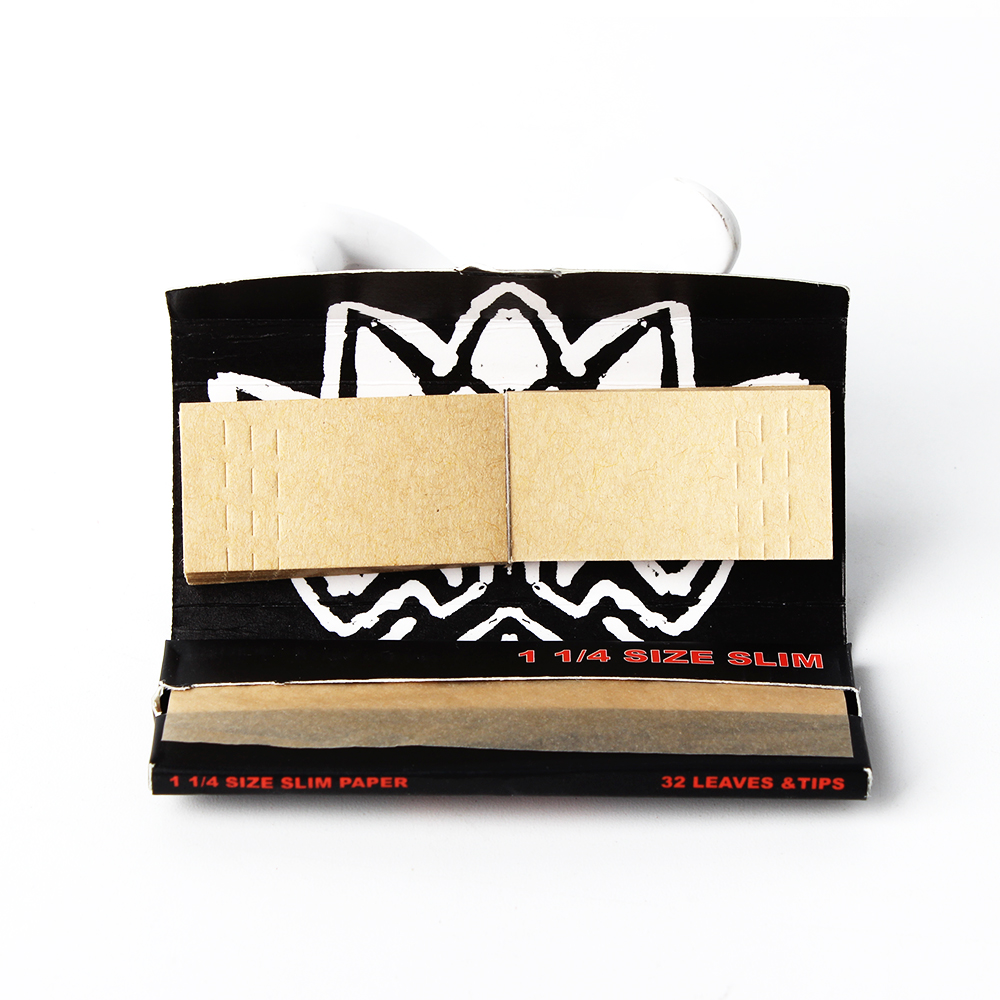
Planning reorders for bulk pre roll cones requires a systematic approach that balances inventory levels, demand forecasting, and supplier reliability. Whether you operate a small dispensary or manage a large-scale distribution center, effective reorder planning ensures you never face stockouts while avoiding excessive inventory costs. This guide explores practical strategies to optimize your reorder planning process and maintain consistent product availability.

Successful inventory control depends on understanding your consumption patterns and establishing clear reorder points. By implementing data-driven reorder planning methods, you can reduce ordering friction, minimize holding costs, and ensure your bulk cones supply chain operates smoothly throughout the year. The key is matching your purchase frequency to actual demand while accounting for supplier lead time constraints.
Begin your reorder planning by reviewing past sales records over at least six to twelve months. Track how many bulk cones you sell weekly and monthly, identifying seasonal peaks and slower periods. This data reveals your average daily or weekly consumption, which forms the foundation for calculating your reorder point. Most businesses find that 80 percent of their annual sales occur during specific quarters, requiring strategic timing adjustments during off-peak seasons.
Document variations in customer demand, promotional periods, and external factors affecting sales. When you understand these patterns, you can set accurate reorder planning thresholds that prevent both shortages and excess inventory. Consider factors like industry events, seasonal preferences, and market trends that influence cone demand in your region.
Demand forecasting for bulk pre roll cones extends beyond simple historical averages. Account for growth projections, new customer acquisitions, and changing market conditions. If your business is expanding, increase your reorder quantities proportionally to support anticipated sales increases without relying solely on past consumption figures. This proactive approach to inventory control prevents surprises and maintains service levels during growth phases.
Communicate with your sales and marketing teams to understand upcoming promotions or campaigns that might spike cone demand. By aligning your reorder planning with business initiatives, you ensure inventory availability supports revenue goals and customer satisfaction targets.
Your reorder point is the inventory level at which you should place a new order for bulk cones. Calculate it by multiplying your average daily consumption by your lead time, then add a safety stock buffer. If you sell 100 cones daily and your supplier requires a ten-day lead time, your reorder point should be around 1,200 cones, accounting for the 1,000 units consumed during the wait period plus 200 units as safety stock.
Lead time is critical in this calculation. Always verify your supplier's actual lead time from order placement to delivery, not their promised timeframe. Delays happen due to shipping, customs, or manufacturing delays, so building in realistic lead time assumptions prevents stockouts. Your reorder planning system should trigger orders automatically when inventory reaches this calculated point.
Economic order quantity balances ordering costs against holding costs for bulk cones. Larger orders reduce per-unit shipping costs and supplier overhead charges, but increase storage expenses and working capital tied up in inventory. For many businesses, ordering monthly or bi-monthly proves optimal compared to weekly orders that inflate transaction costs.
Test different order frequencies using your inventory control data. A three-month supply might be ideal if you have storage space and reliable demand forecasts, but a one-month supply offers flexibility if your sales patterns are unpredictable. Document how each approach affects your costs, and adjust your reorder planning strategy accordingly. Your supplier may also offer volume discounts that incentivize larger bulk purchases of pre roll cones.
Lead time variability is the enemy of predictable inventory control. Suppliers experience delays, carriers face logistics challenges, and international shipments encounter customs processing. When planning reorders for bulk pre roll cones, assume lead times are longer than quoted. If a supplier says ten days, plan for twelve to fourteen days to create a safety margin that prevents emergency sourcing at higher costs.
Establish relationships with backup suppliers to mitigate lead time risks. If your primary supplier experiences delays, you can activate secondary suppliers and maintain your reorder planning schedule without disruption. This dual-sourcing approach provides insurance while encouraging both suppliers to maintain competitive lead times and reliability standards.
Regular communication with your bulk cones suppliers strengthens your reorder planning process. Provide demand forecasts so they can anticipate order volumes and prepare inventory. Ask about seasonal capacity constraints, manufacturing schedules, or lead time changes that affect your planning. Some suppliers offer expedited shipping or reserved stock for loyal customers with consistent reorder planning practices.
Negotiate flexible order minimums and payment terms that align with your cash flow cycles. If you need to adjust order quantities due to demand changes, suppliers who understand your business and reorder planning patterns are more likely to accommodate modifications. These relationships also create opportunities for bulk discounts on pre roll cones purchases.
Reorder frequency depends on your consumption rate, available storage space, and lead time. Most businesses benefit from monthly or bi-monthly reorder planning cycles. Review your sales data and adjust frequency based on demand patterns and supplier reliability. Avoid weekly orders unless sales are extremely high, as transaction costs outweigh the benefits of inventory flexibility.
Safety stock typically ranges from 10 to 30 percent of your average consumption during lead time. For bulk pre roll cones, this means if you consume 1,000 units during your supplier's lead time, maintain 100 to 300 units as buffer stock. The exact level depends on service level requirements, demand variability, and storage capacity. Higher variability requires larger safety buffers to prevent stockouts.
Negotiate volume discounts with suppliers to lower unit costs on bulk cones purchases. Consolidate orders to reduce shipping frequency and associated fees. Optimize your safety stock to minimize excess inventory carrying costs. Improve demand forecasting accuracy to eliminate wasted orders. Finally, evaluate different supplier lead times and choose partners offering speed-to-delivery that matches your reorder planning rhythm without premium charges.