EN
EN

EN
2026/09/04
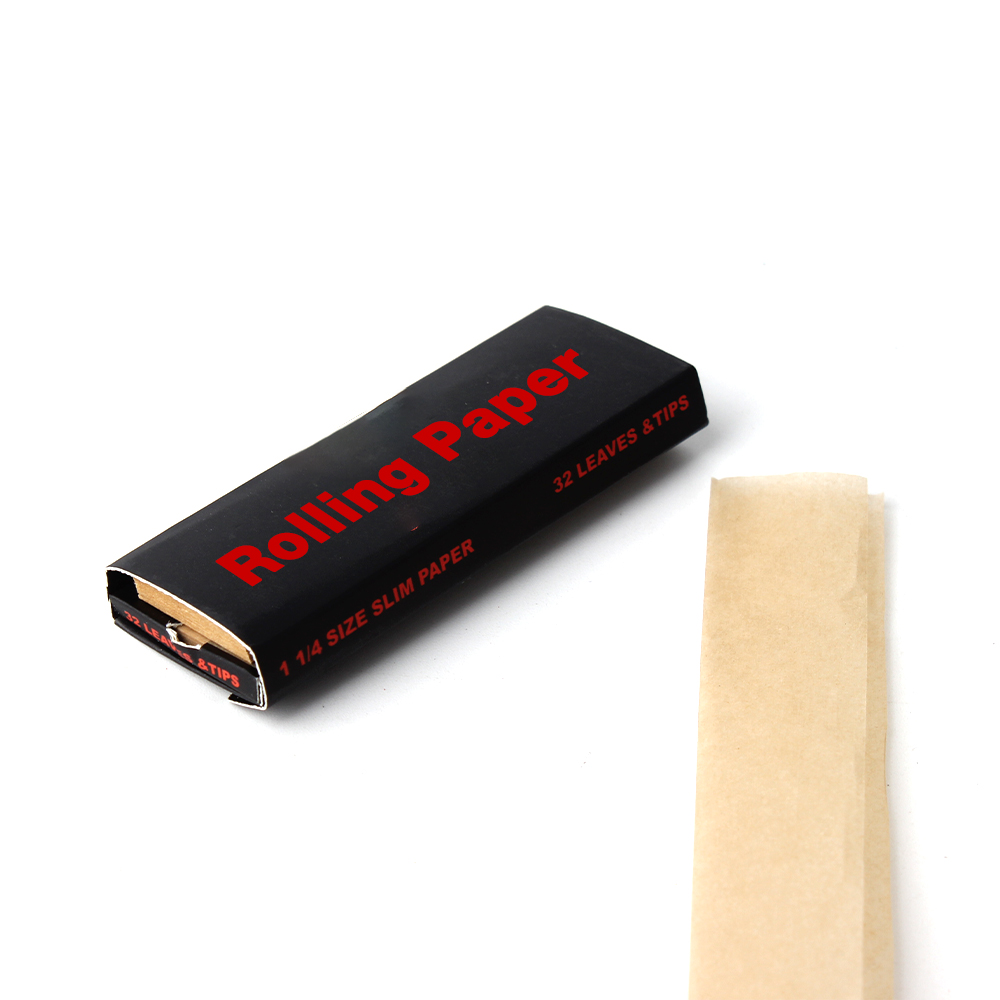
Managing the integrity of bulk filter tip shipments presents a significant challenge for distributors, retailers, and manufacturers operating in the smoking and rolling accessories industry. When a custom filter tips bulk order travels from production facilities to end-users across regional and international markets, the products face multiple stressors including vibration, compression, temperature fluctuations, and moisture exposure. Filter deformation during transit not only reduces product appeal but also impacts consumer satisfaction and creates costly returns. Understanding how to implement effective shipping protection strategies is essential for any business handling large-volume filter tip orders.
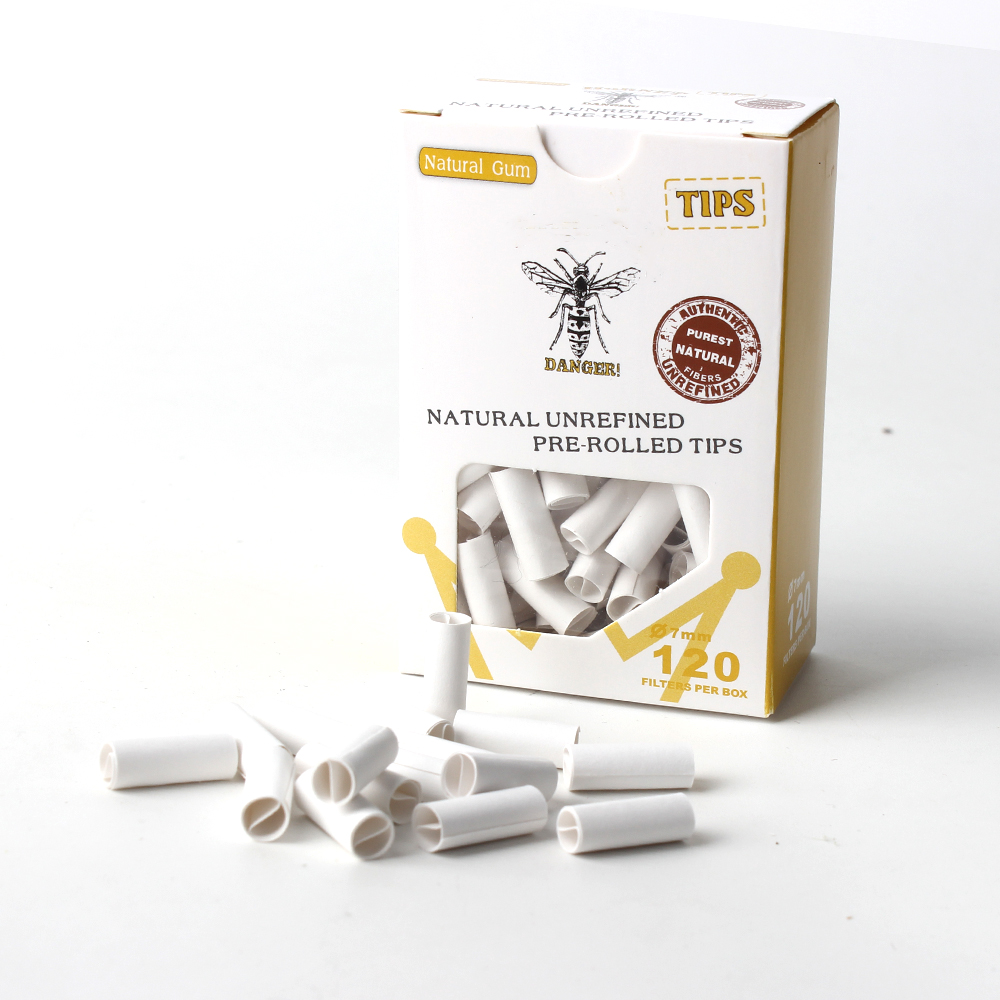
The physical vulnerability of filter tips stems from their material composition and dimensional tolerances. Most filter tips are manufactured from cellulose acetate, wood pulp, or specialty paper blends that maintain rigidity under normal conditions but deform under sustained pressure or adverse environmental exposure. During export packing and transit, bulk tips are subject to stacking loads, container shifting, and external pressure that can permanently alter their shape, diameter, or surface finish. A deformed filter tip cannot perform its intended function properly, resulting in poor user experience and potential reputational damage to your brand.
The most common cause of filter deformation in bulk tips shipments is excessive stacking pressure combined with inadequate internal padding. When bulk tips are packed loosely or with minimal cushioning material, the weight of upper layers compresses the filters below, causing permanent shape loss. This problem intensifies during long-distance shipping where containers experience repeated compression forces from handling equipment, stacking in warehouses, and transport vehicle vibration. Export packing standards must account for the cumulative effect of multiple handling cycles, not just the initial packaging phase.
Moisture and temperature fluctuations represent critical environmental stressors for filter deformation prevention. Cellulose-based filter tips absorb humidity from the surrounding air, causing them to swell and lose their precise cylindrical form. When temperature drops during transit, particularly in refrigerated containers or during cold-season shipping, the material becomes brittle and susceptible to cracking and warping. Conversely, exposure to heat can soften the material and allow deformation that sets permanently as the filters cool. Effective shipping protection must control both humidity levels and temperature stability throughout the supply chain.
Upgrading your export packing approach begins with selecting appropriate cushioning and barrier materials. Polyethylene foam layers, air cushions, and corrugated inserts are proven solutions for minimizing pressure-related filter deformation in bulk tips orders. Each layer of protective material acts as a shock absorber, distributing compression forces across a wider surface area and preventing point loading that causes permanent shape loss. For high-value or sensitive shipments, consider multi-wall corrugated boxes with foam corner supports and interior dividers that create separate compartments for different product batches. These design improvements prevent shifting and rubbing during transport, which often causes cosmetic and structural damage.
Managing humidity within shipping containers is fundamental to preventing filter deformation during export packing cycles. Silica gel desiccants or calcium chloride packets placed strategically throughout the package absorb excess moisture before it can be absorbed by the filter material. For bulk tips shipments, calculate desiccant quantities based on package volume and expected ambient humidity during transit routes. Vapor barrier films create an additional seal layer that limits air exchange and maintains stable humidity levels inside the container. Many successful bulk tips distributors implement desiccant monitoring cards that change color when saturation levels are exceeded, providing visual confirmation that shipping protection systems are functioning properly.
Maintaining consistent temperature throughout the shipping protection process prevents thermal stress and material brittleness. Insulated shipping containers with thermal regulation packs help stabilize internal temperatures even when external conditions vary significantly. For export packing of high-volume bulk tips orders to diverse climate zones, consider using climate-controlled containers that maintain temperature between 18 and 25 degrees Celsius, which is optimal for filter material stability. Temperature fluctuations of more than 10 degrees Celsius across a single shipping cycle can trigger expansion and contraction cycles that weaken the material structure and promote filter deformation.
Implementing rigorous inspection protocols before shipment ensures that only undamaged filters enter the export packing process. Measure filter dimensions at multiple points along the length to verify that no pre-existing deformation exists before the shipment begins. For custom filter tips bulk orders, document baseline measurements and compare finished products against these standards before loading into shipping containers. This quality gate prevents shipping protection resources from being wasted on already-compromised products and provides clear data for troubleshooting any filter deformation issues that emerge post-delivery.
The arrangement of filter tips within shipping containers directly impacts deformation risk during export packing phases. Position bulk tips vertically whenever possible, as this orientation distributes pressure more evenly along the cylindrical axis compared to horizontal stacking. When vertical packing is not feasible, ensure that horizontal stacks never exceed height-to-diameter ratios that would create unsafe compression zones. Rotation of stack orientation during the journey, achieved through carrier handling specifications, can redistribute pressure points and reduce localized filter deformation. For critical bulk tips orders, use divider inserts that separate product into smaller compartments, preventing massive compression loads from building up in any single area of the package.
Clear communication with shipping carriers about the fragility requirements of custom filter tips bulk orders significantly improves handling practices throughout the supply chain. Provide carriers with specific instructions regarding maximum stack heights, handling warnings, and inspection checkpoints along the route. Many professional logistics providers offer specialized handling services that include climate monitoring, reduced-vibration transport options, and reduced-speed operation to minimize filter deformation risks. Document all handling procedures and create feedback loops with carriers to identify which routes, seasons, or handling protocols correlate with higher rates of filter deformation in your shipments.
The primary cause is excessive stacking pressure combined with inadequate internal cushioning during export packing. When bulk tips containers experience repeated compression and handling forces without proper shipping protection materials, the filters lose their original cylindrical shape permanently. Environmental factors like humidity and temperature fluctuations accelerate this problem by weakening the material structure before mechanical stress even occurs.
Desiccant quantities depend on container volume, estimated transit duration, and climate zones along the shipping route. A general rule is to include 5–10 grams of silica gel per cubic decimeter of package space for standard export packing of filter tips. Monitor desiccant saturation using indicator cards and increase quantities by 25–50 percent if shipments pass through high-humidity regions or take longer than two weeks in transit, ensuring consistent shipping protection throughout the journey.
Permanent filter deformation cannot be reversed once the material structure has changed. Some minor cosmetic deformation may appear to improve if the filters are stored in a controlled environment, but structural shape loss is irreversible. This makes preventive shipping protection and proper export packing during initial transport the only viable approach to maintaining the quality of custom filter tips bulk orders throughout the supply chain.