EN
EN

how-to-set-quality-standards-for-preroll-cones-with-filter-tips, how-to-set-quality-standards-for-preroll-cones-with-filter-tips, /news
EN
2026/08/14
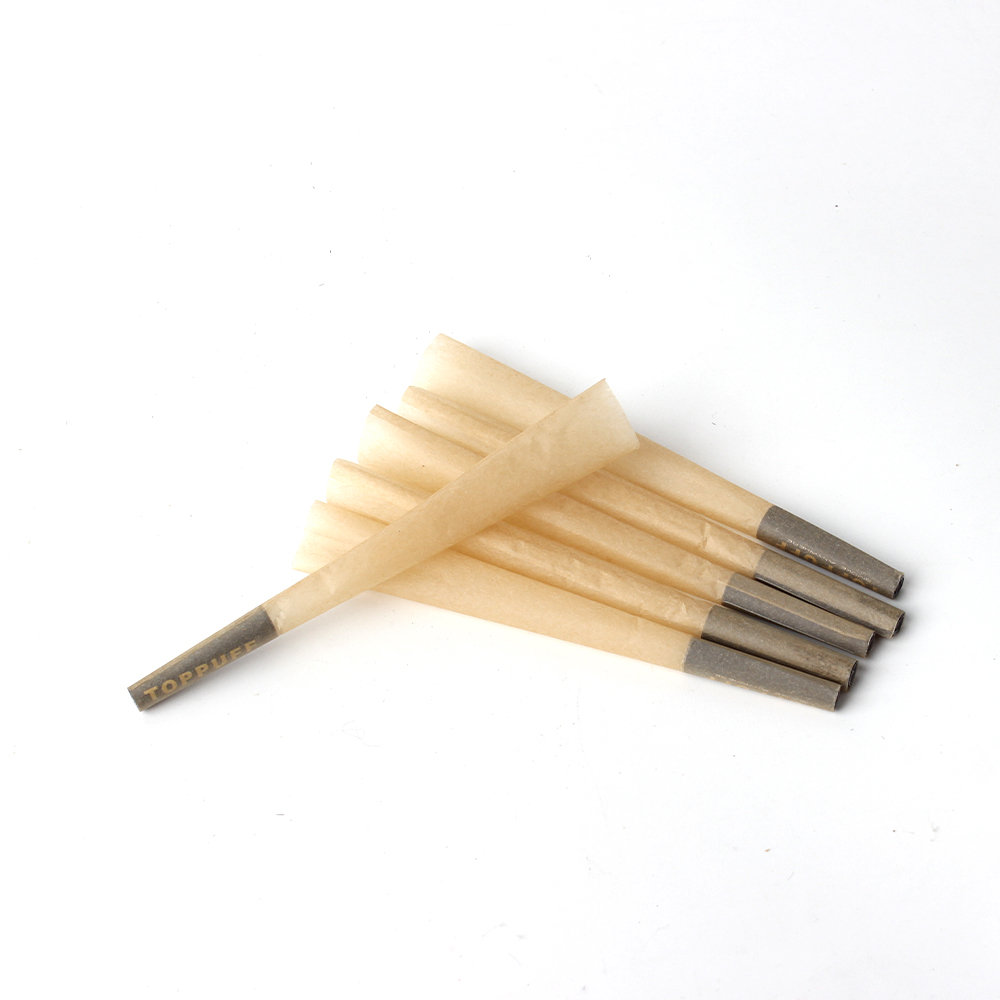
Pre-roll cones with filter tips represent a critical category in the cannabis and herbal product industry, where consistency, safety, and performance directly impact end-user satisfaction and brand reputation. Establishing robust quality standards for these products ensures that every unit meets precise specifications, from material composition to structural integrity. Without clear quality standards, manufacturers risk producing inconsistent products that may fail during use, disappoint consumers, or create compliance issues. This guide explores the essential frameworks for setting and maintaining quality standards across all aspects of pre-roll cones with filter tips production.
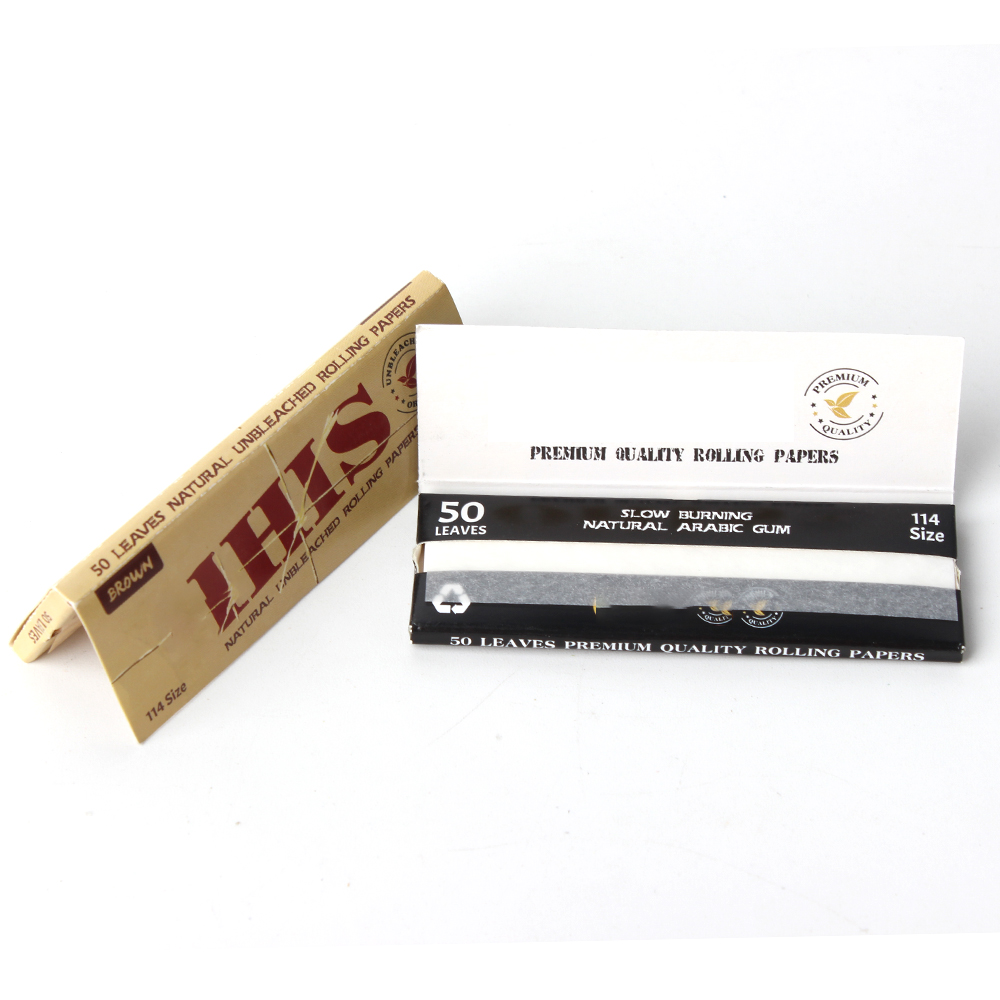
The foundation of any quality management system begins with defining what excellence looks like for your specific product line. For pre-roll cones with filter tips, this means documenting measurable parameters that distinguish premium offerings from substandard alternatives. Quality standards function as both internal manufacturing targets and external communication tools that inform customers about what they can expect. Implementing these standards requires a systematic approach that covers material selection, manufacturing processes, and final product verification.
Cone geometry represents one of the most critical aspects of pre-roll cones with filter tips quality. The taper angle, wall thickness, and overall cone dimensions must remain consistent across every unit produced. A properly designed cone geometry ensures even burn rates, optimal airflow, and structural stability during packaging and handling. Manufacturers should establish baseline measurements for cone diameter at the opening, diameter at the middle, base diameter, and total length, with acceptable tolerance ranges clearly documented.
The cone geometry directly affects user experience and product performance. When cone geometry deviates significantly from specifications, customers may experience burning issues, uneven product distribution, or cone collapse during packing. To maintain strict cone geometry standards, manufacturers employ precision tooling, regular calibration schedules, and statistical process control monitoring. Digital measuring instruments and automated inspection systems can track cone geometry throughout production runs, enabling real-time corrective action when parameters drift outside acceptable ranges.
The raw materials used in pre-roll cones with filter tips fundamentally determine product quality and performance. Establishing clear material specifications ensures consistency across all production batches. This includes defining paper type, basis weight, coating characteristics, and adhesive specifications. Quality standards should specify whether materials are bleached or unbleached, if any additives are present, and what burning characteristics they produce. Manufacturers should source materials from certified suppliers who provide consistent quality documentation and batch testing records.
Material composition directly influences burn rate, ash color, taste profile, and structural integrity of the finished cones. Premium materials typically feature lower additives, consistent fiber composition, and predictable burning properties. Implementing incoming material inspection protocols ensures every shipment meets documented specifications before entering production. Testing might include moisture content analysis, tensile strength evaluation, and burn rate testing on sample materials before full-scale manufacturing begins.
Filter placement within pre-roll cones with filter tips requires precise standardization to ensure consistent product performance and user experience. The distance of the filter from the cone opening, the filter material composition, and the filter diameter all contribute to airflow characteristics and overall functionality. Quality standards should specify exact filter placement measurements, including how far the filter extends into the cone and whether it sits flush with the opening or recessed. These specifications ensure that every customer receives a product with identical performance characteristics regardless of when or where it was manufactured.
Improper filter placement can result in airflow restrictions, uneven burning, or filter material entering the user's mouth. Establishing clear filter placement standards prevents these issues and ensures consistent draw resistance across the entire product line. Manufacturers should document the relationship between filter placement and airflow performance, noting any variations that occur with different filter materials or cone designs. Quality inspection procedures must verify filter placement on every unit or through systematic sampling protocols that catch placement errors before products reach customers.
Comprehensive inspection criteria ensure that filter integration meets all quality standards in pre-roll cones with filter tips production. Visual inspection should verify that filters are centered, fully inserted to specification depth, and free from damage or contamination. Filter materials should be checked for appropriate density, structural integrity, and absence of manufacturing defects. The seal between the filter and cone interior should be verified to ensure no loose fibers or gaps exist that might compromise product quality or user experience.
Inspection criteria must address both the filter material itself and its integration within the cone structure. Criteria should include filter firmness requirements, ensuring filters are compressed appropriately to maintain airflow characteristics without being so tight they restrict draw. Color consistency of filter material should be documented, and any discoloration or degradation should trigger rejection. Advanced quality systems employ both manual inspection and automated vision systems to verify filter placement accuracy and consistency across production batches.
Effective quality standards require comprehensive testing protocols that verify every critical parameter throughout the production process. For pre-roll cones with filter tips, this includes burn rate testing, airflow measurement, structural integrity testing, and material composition verification. Manufacturers should establish baseline performance metrics using premium reference samples, then use these as benchmarks for incoming materials and finished products. Testing protocols should be documented in standard operating procedures that specify test methods, acceptance criteria, and documentation requirements for all quality measurements.
Statistical process control enables manufacturers to monitor quality trends and detect issues before they result in out-of-specification products. By tracking key measurements across multiple batches, manufacturers can identify drift patterns and implement corrective actions proactively. Testing schedules should balance thorough verification with operational efficiency, typically employing either 100 percent inspection for critical parameters or statistically valid sampling protocols. Documentation of all test results creates traceability records that support compliance requirements and enable rapid investigation if quality issues arise.
Quality standards must remain dynamic, with regular review and refinement based on production data and customer feedback. Establishing continuous improvement processes ensures that quality standards evolve to address emerging challenges and incorporate technological advances. Manufacturers should track customer complaints, returns, and feedback to identify quality gaps that might not be evident from internal testing alone. Root cause analysis of any quality failures should drive modifications to inspection criteria, manufacturing procedures, or material specifications to prevent recurrence.
A robust quality management system documents all revisions to standards and maintains version control over procedures and specifications. This ensures that all production team members understand current requirements and can verify compliance with the latest Pre-Roll Cones with Filter Tips quality standards. Regular training programs keep staff informed about quality requirements and their role in maintaining product excellence. By treating quality as a continuous improvement process rather than a fixed set of rules, manufacturers build customer trust and maintain competitive advantage in increasingly demanding markets.
Acceptable tolerances for cone geometry typically allow diameter variations of plus or minus 1-2 millimeters at key measurement points, with taper angle consistency maintained within 0.5 degrees. Length variations should remain within 2-3 millimeters of the established baseline. These tolerances ensure consistent performance while accommodating minor manufacturing variations inherent in production. The specific tolerance ranges should be established based on your target market requirements and the capabilities of your manufacturing equipment, with regular verification that production stays within these limits.
Inspection protocols should scale with batch size, using statistically validated sampling plans for large production runs while maintaining 100 percent inspection for small batches or specialty products. For quality standards implementation, most manufacturers apply ANSI/ASQC Z1.4 or similar acceptance sampling standards that balance cost efficiency with reliable quality verification. The specific sampling level should reflect the product's end-use requirements, regulatory environment, and your organization's quality objectives. Documentation of sampling methodology and results provides traceability and supports continuous improvement efforts.
Material testing serves as the foundation for consistent quality standards by verifying that raw materials meet established specifications before production begins. Testing should include moisture content analysis, burning rate verification, tensile strength measurement, and visual inspection for contamination or defects. By catching material issues at the incoming stage, manufacturers prevent quality problems from cascading through the entire production process. Establishing relationships with suppliers who provide certified material test results and batch documentation strengthens the material verification process and supports compliance requirements.